

Toy Poodles tend to be smart, driven, sociable, and easy to train, while Yorkies are courageous, loyal, energetic, and often independent. A Toy Poodle will be happier to learn some tricks in the living room, while a Yorkie will always alert you about people passing near the window.
Toy Poodles vs. Yorkshire Terriers is a popular comparison since both are small, affectionate companion dogs. They can live in apartments, fit into a family, and are great for first-time pet parents and seniors. Nevertheless, the differences between the breeds are quite noticeable in terms of temperament, grooming requirements, and training.
The proper choice depends on your lifestyle, training time, grooming budget, and energy levels at home. Here, we'll compare temperament, grooming, exercise, health, and training to help you find the perfect small dog for your family’s lifestyle choices.
Key Takeaways
- ●Toy Poodles and Yorkshire Terriers are both low-shedding companion dogs, but have different personalities.
- ●Toy Poodles are easy to train, fast to learn, and very intelligent.
- ●Yorkshire Terriers are vocal, self-reliant, very confident, and loyal.
- ●Toy Poodles require more frequent clipping and brushing than Yorkies to prevent their tight curls from matting.
- ●A Toy Poodle tends to be a good family dog and a first-time pet, whereas a Yorkie often thrives in a quiet home with older children.
- ●Both breeds have inherited health issues; therefore, it’s very important to find a reputable breeder who has conducted appropriate health tests.
- ●The best breed is the one that fits your family, lifestyle, and long-term plan for care and grooming.
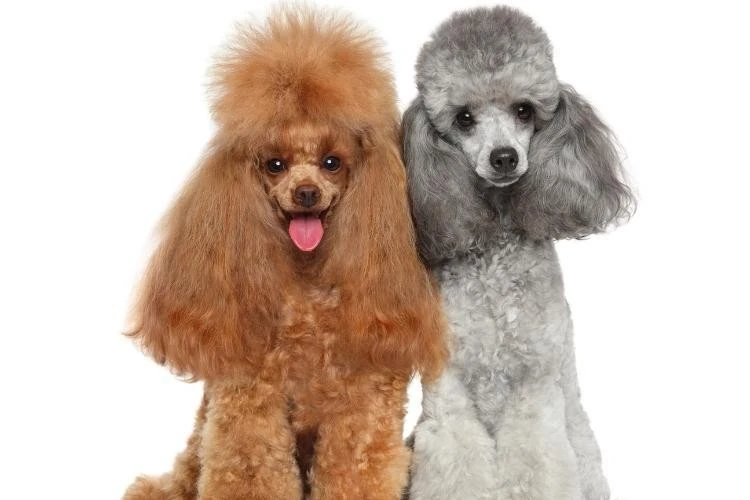
Image by Fotojagodka from Getty Images on Canva
Toy Poodles vs. Yorkshire Terriers at a Glance
While Toy Poodles and Yorkshire Terriers are both small purebred dogs, they were originally bred for different purposes. Originally, Toy Poodles were bred as water retrievers to fetch waterfowl, especially ducks, for hunters. The Yorkies were bred as working terriers to hunt rats and other vermin in mills and mines. They’re naturally very confident and brave.
Size and Appearance
Toy Poodles are generally 10 inches tall and have fine, curled coats of apricot, black, white, cream, silver, and brown hues. The American Kennel Club (AKC) describes the breed as an elegant, athletic companion with a curly, low-shedding coat.
Yorkshire Terriers should be about 7-8 inches tall and weigh approximately 7 lbs. According to the AKC, Yorkies have a fine, silky coat and are usually blue and tan in color. They can get a wide range of different looks depending on the haircut. If you're all about more fastidious at-home care, choose a longer, flowing coat for a showy look, or for lower maintenance, go with a shorter, more practical cut if you prefer a puppy cut.
Lifespan
Both breeds can be long-term companions. The AKC states that Yorkies often live 11–15 years, while Toy Poodles may live into their mid-teens when raised with good care, genetics, diet, and regular vet visits.
Quick Comparison Table
| Trait | Toy Poodle | Yorkshire Terrier |
|---|---|---|
| Size | Up to 10 inches | 7-8 inches |
| Coat | Curly, low-shedding | Silky, low-shedding |
| Grooming | High | Moderate to high |
| Exercise | Moderate | Moderate, with bursts of energy |
| Training | Very easy to train | Smart but more stubborn |
| Barking | Can bark, usually manageable with training | Often more vocal |
| Best for | Families, allergy-sensitive homes, and first-time owners | Active owners, quieter homes, and confident small-dog fans |
Quick Tip: Choose a Toy Poodle if you want a dog that's easy to train, or a Yorkie if you love a tiny dog with a bold, terrier personality.
If you're feeling ready to bring your puppy home, browse our collection of well-socialized Yorkshire Terrier puppies and Miniature and Toy Poodle puppies from ethical breeders. All our puppies come vet-checked and vaccinated, with a health guarantee, 30 days of pet insurance coverage, and lifetime training and support.
Image by ardiwebs from Getty Images on Canva
Temperament and Personality Differences
Temperament is where the distinction between Toy Poodle and Yorkie becomes clearer. Both dogs are affectionate, but they show it differently.
Toy Poodle Personality
Toy Poodles are intelligent and social, and usually form close bonds with their favorite people. They often enjoy being involved in whatever the family is doing, even if that means sitting nearby while you work or learning a new trick before dinner.
They tend to be affectionate without being as intense as Yorkshire Terriers. Many Toy Poodles are playful, gentle, and adaptable, making them a good fit for people who want a smart, small breed that can settle into different routines.
Because Poodles are so smart, they need mental stimulation. A bored Poodle may bark, pace, or create their own entertainment. Short training sessions, puzzle toys, scent games, and daily walks help keep their minds busy.
Yorkshire Terrier Personality
The Yorkshire Terrier may be tiny, but most Yorkies don’t seem to know that. They're confident, curious, loyal, and often convinced they’re in charge of the house. The AKC notes that the breed’s terrier background, including its history as a ratter before becoming a popular companion dog, helped shape its personality.
Yorkies tend to bond closely with their favorite person. They may follow you from room to room, curl up on your lap, and react quickly to strange sounds. That alert nature can be charming, but it can also turn into excessive barking if you don't train them early.
Which Breed Fits Your Household?
Families
Toy Poodles are often a better fit for families with children because they usually entertain that playful energy. Still, young kids need supervision. Because of their small size, children are often excited to carry them roughly, chase them, or treat them like a toy.
Yorkies can do well with children, especially older kids who understand gentle handling. However, they're less patient with noisy play, grabbing hands, or sudden movement.
Singles
Both breeds can be loving companions for single people. A Toy Poodle suits someone who wants a highly trainable, affectionate dog, while a Yorkie may suit a person who enjoys a bold shadow with opinions.
Seniors
Seniors often appreciate both breeds because they’re small, portable, and loving. Toy Poodles are easier to train and maintain a routine, while Yorkies can be wonderful companions in calmer homes where their sensitivity to noise is understood.
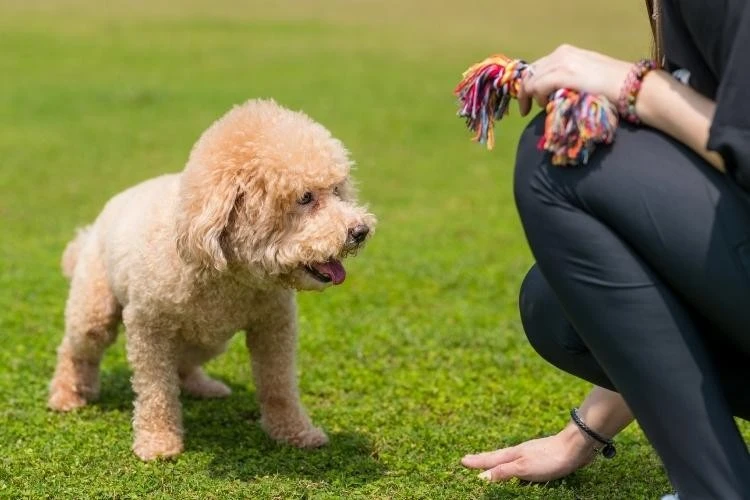
Image by Leung Cho Pan on Canva
Training and Intelligence: Which Dog Breed Is Easier to Train?
Training is one of the biggest differences between these two dogs.
Toy Poodles Excel in Training
Toy Poodles are very easy to train compared to other breeds. They’re smart, eager, and usually understand patterns quickly. Many enjoy learning tricks, obedience cues, and household routines because training feels like a game with their favorite person.
A Toy Poodle often picks up commands like sit, stay, come, and leave it faster than a Yorkie. They also tend to respond well to calm structure. This makes them a good fit for first-time owners who want a small dog without the constant battles over basic manners.
For more insights on Poodle behavior, read our guide on Miniature Poodle personality to understand how they behave day-to-day and interact with people and other pets.
Training a Yorkshire Terrier
Yorkies are intelligent, too, but they tend to be independent. A Yorkie may understand what you want and still decide something else is more exciting. This means they need patient, consistent training and mental stimulation to stay out of trouble.
Positive reinforcement works best. Treats, praise, short sessions, and clear boundaries help a Yorkie learn without turning training into a standoff. Harsh corrections can make them anxious or stubborn. Read our guide on "What are Yorkies" for more insights on life expectancy, training, barking, and how to decide if a Yorkie puppy fits your home and lifestyle.
Common Training Challenges
House training can take patience with both breeds, especially during puppyhood. Tiny dogs have tiny bladders, so they need frequent potty breaks.
Barking is another common issue. Yorkies can be more vocal and reactive to household noises than Poodles. Separation anxiety can also affect both breeds if you don't teach them that alone time is safe.
If you want a breed that's easy to train, go for a Toy Poodle. But if you enjoy a challenge during training, a Yorkshire Terrier is the perfect fit.
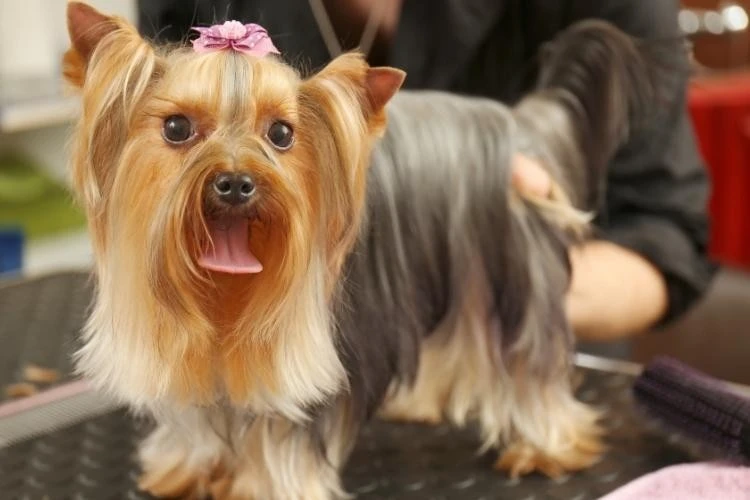
Image by Pixelshot on Canva
Grooming, Shedding, and Allergy Considerations
Both breeds need regular grooming. Low-shedding doesn't mean low-maintenance.
Toy Poodle Grooming Needs
Toy Poodles have a curly coat that can mat quickly if you don't brush them regularly. Most Poodles need professional grooming about every 6 weeks, plus regular brushing at home. Their curls also need careful trimming around the eyes, ears, paws, and sanitary areas.
Poodle grooming is a lifelong commitment. The only advantage is that their coat sheds very little, and many allergy-sensitive households find them easier to live with than heavier-shedding breeds.
Yorkshire Terrier Grooming Needs
Yorkies have fine, silky hair rather than a dense double coat. If kept long, their coat needs frequent brushing to prevent tangles. Many owners choose a shorter puppy cut because it’s easier to manage, especially for an active pet.
Yorkshire Terriers also need professional grooming about every 6 weeks. Their ears, face, paws, and nails need regular attention. Read our Yorkshire Terrier grooming guide to learn more about brushing, bathing, coat care, hygiene tools, nail and dental care, and the best Yorkie haircuts for different lifestyles.
Are They Hypoallergenic?
Both breeds are often called hypoallergenic because they shed less than many other dogs. However, no dog is fully allergen-free. Allergies can come from dander, saliva, and skin proteins, not just hair. If someone in the house has allergies, spend time around the breed before bringing home a new pet.
Both Toy Poodles and Yorkshire Terriers are often recommended for allergy-sensitive households due to their low-shedding coats. However, Toy Poodles are sometimes considered the more allergy-friendly option because their curly coat helps contain loose hair and dander.

Image by Pixelshot on Canva
Health, Lifespan, and Finding a Responsible Breeder
While these small dogs can live long, happy lives, they're prone to certain health conditions that require screening before choosing a puppy.
Common Toy Poodle Health Concerns
Toy Poodles can be susceptible to genetic diseases and small-breed health problems. Health testing is important. The Poodle Club of America lists recommended Toy Poodle testing for progressive retinal atrophy, yearly eye exams, and patellar luxation evaluation.
Patellar luxation affects the knee or hip joint in many small breeds and may cause skipping, limping, pain, or the need for surgery in severe cases. Toy Poodles also face dental issues, eye problems, and other inherited concerns.
Common Yorkshire Terrier Health Concerns
Yorkies are generally sturdy for their size, but they’re prone to several health problems and genetic conditions. Common concerns can include progressive retinal atrophy, dental disease, luxating patellas, tracheal collapse, liver shunts, and hypothyroidism.
Research published in Canine Genetics and Epidemiology identified Yorkshire Terriers as one of the breeds most commonly diagnosed with patellar luxation in veterinary records. Because Yorkies are tiny, regular dental care matters too. Their teeth can crowd easily, which makes brushing and vet cleanings important.
The Importance of Responsible Breeding
Responsible breeding reduces risk through health testing, careful pairings, clean living conditions, early socialization, and honest records. For better peace of mind, work with a breeder who answers all your questions clearly, provides health records, and offers a health guarantee.
At HonestPet, we focus on responsible care, trusted breeder relationships, and puppy wellbeing. Our puppies come from verified breeders who adhere to our strict ethical standards, ensuring the highest levels of health, safety, and integrity. We also offer nationwide delivery to ensure a safe, stress-free journey with USDA-licensed couriers who provide hands-on care and continuous monitoring from pickup to drop-off.
Which Breed Is Better for Your Lifestyle?
This is where the choice becomes personal.
Best for Families With Children
Toy Poodles often have the advantage for families with kids. They’re usually gentle, playful, and easier to train. Still, you must teach children how to sit calmly, pet gently, and avoid picking up tiny dogs without help. Yorkies fit perfectly in families with older children who can respect boundaries.
Best for Apartment Living
Both breeds can do well in an apartment or a small house. They don’t require a huge yard, but they do need daily exercise, training, and attention. Yorkies may bark more in response to hallway noise, neighbors, or delivery sounds. This is why they need training from an early age.
Best for Busy Professionals
Toy Poodles are often a better fit for busy professionals because they tend to adapt well to routines when their needs are met. That said, no puppy should be left alone for long hours without breaks, care, and companionship.
If you're a new puppy parent, our quick-start guide can help you prepare your house, schedule, food, and training plan.
Best for Active Owners
Yorkies are small, but many are energetic. They enjoy walks, play, and being involved in daily life. This is why they're a good fit for active individuals or families who want a lively companion in a tiny body.
Best for First-Time Owners
Toy Poodles are usually perfect for first-time owners because they’re easier to train, eager to please, and adaptable. Yorkies can also work for beginners, but they require patience, consistency, and a sense of humor.
Frequently Asked Questions
Which is better, a Toy Poodle or a Yorkie?
Neither breed is better for everyone. Toy Poodles are highly intelligent, eager to learn, and often easier to train, making them a great choice for first-time owners. Yorkies are affectionate, loyal, and full of personality, but they can also be more independent and stubborn. For most people, the best choice comes down to lifestyle. If you want a companion that's easy to train, a Toy Poodle may be the better fit. If you love a bold little dog with a big personality, a Yorkie is the perfect choice.
Where Do Toy Poodles and Yorkies Rank in Intelligence?
Toy Poodles are considered one of the most intelligent dog breeds and excel in obedience and training. They enjoy learning new commands and tricks and usually respond quickly to training. Yorkies are also smart, but their terrier background makes them more independent. For the most part, Yorkies understand commands, but they're less eager to follow instructions than a Toy Poodle.
What are the Downsides of Yorkies?
While Yorkies are loving companions, they can be vocal, sensitive to noise, and stubborn during training. Their small size means they need supervision around young children and larger pets. Yorkies are also prone to certain health problems and genetic conditions. They need regular grooming every 6 weeks to keep their coat healthy.
What are the Disadvantages of a Toy Poodle?
Toy Poodles require more regular brushing and professional grooming every 6 weeks than many other small breeds. They can also be susceptible to certain genetic diseases, so choosing puppies from a reputable breeder is important. Because they are highly intelligent, Toy Poodles need mental stimulation and training to prevent boredom-related behaviors such as excessive barking or scratching.
Which Breed Sheds Less?
Both breeds are low-shedding dogs and are often grouped with hypoallergenic dog breeds. Toy Poodles have curly coats that trap loose hair, while Yorkies have fine, silky hair that sheds very little. Neither breed is completely allergy-free, so anyone considering adopting one should spend time around the breed first if allergies are a concern.
Do Yorkshire Terriers Bark a Lot?
Yorkies can bark more than Toy Poodles. They are alert terriers and often react to doorbells, unfamiliar sounds, other dogs, or cats outside. Early training can help prevent excessive barking. Rewarding calm behavior and providing enough exercise and mental stimulation can make a big difference.
Can You Leave Either Breed Alone During the Day?
Both breeds prefer human companionship. Adult dogs can usually manage short periods alone, but puppies need frequent care, training, and potty breaks. Yorkies struggle more with being left alone for long periods, while Toy Poodles often adapt better to a routine. If you work long hours, arrange extra care to help your new pet stay comfortable and happy.
Conclusion
The best breed between Toy Poodles and Yorkshire Terriers comes down to your lifestyle. A Toy Poodle is usually the better fit if you want a smart, affectionate, highly trainable small dog that adapts well to family life, apartment living, and allergy-sensitive homes.
A Yorkshire Terrier may be right for you if you love a bold, loyal, energetic companion with a big personality in a tiny body. Yorkies are charming, affectionate, and full of confidence, but they need patient training and a calm, consistent home.
Before choosing either breed, think about grooming, daily exercise, training time, children, work schedules, and long-term health care. The best dog is the one whose needs you can meet with love and care.
References
- ●American Kennel Club. (n.d.). Poodle (Toy).
- ●American Kennel Club. (n.d.). Yorkshire Terrier.
- ●Poodle Club of America. (n.d.). Health concerns.
- ●O’Neill, D. G., Meeson, R. L., Sheridan, A., Church, D. B., & Brodbelt, D. C. (2016). The epidemiology of patellar luxation in dogs attending primary-care veterinary practices in England. Canine genetics and epidemiology, 3(1), 4.
Ready to Get Started?
Find your perfect puppy and start your journey today!