
Yorkies are a small dog breed, but they can walk into a room with the confidence of a much larger pup and then curl up beside their favorite person like a loyal shadow. They're known for their silky coat, brave terrier personality and affectionate nature. While they can be a bit bossy, their "big-dog" attitude makes them very charming.
Bringing a new Yorkie puppy home should feel joyful. While a Yorkie offers endless devotion, the perfect match begins with the right expectations. This guide explains the Yorkshire Terrier's temperament, size, grooming needs, exercise requirements and common health conditions. It also covers life expectancy, training, barking, and how to decide if a Yorkie puppy fits your home and lifestyle.
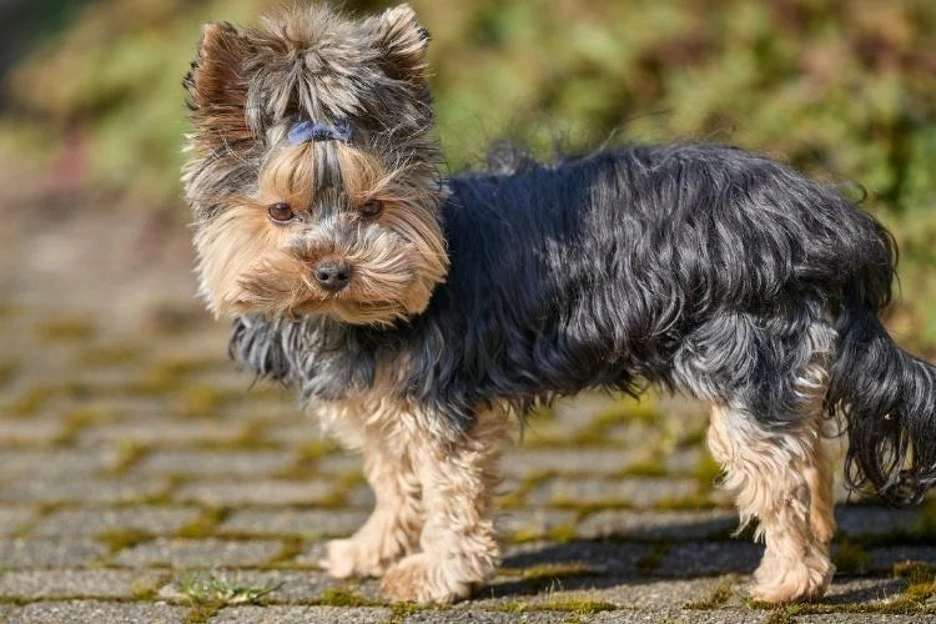
Image by Erwin Bosman from Pexels via Canva
What Are Yorkies? Meet the Yorkshire Terrier Dog Breed
A Yorkie is the nickname for the Yorkshire Terrier, a small dog breed with a long history, a silky coat, and a feisty personality. They're part of the toy breed group today, but their heritage is pure terrier. This means they were originally active, alert, hardworking little dogs, and they still carry that terrier energy into modern homes.
For many Yorkie owners, these are the qualities that make them a wonderful companion. But in the wrong home, the same personality can manifest as excessive barking, stubbornness, or bossy behavior.
This is why a Yorkshire Terrier needs training, boundaries, and gentle handling like any other dog breed. If you’re considering bringing one home, explore our well-socialized Yorkshire Terrier puppies for sale from ethical breeders. They’re small enough for apartment life, bright enough to master new skills, and deeply loyal to family members.
Quick Yorkie Breed Snapshot
| Trait | Typical Yorkie |
|---|---|
| Size | 7-8 inches long |
| Weight | Around 7 pounds |
| Coat | Long, silky, low-shedding |
| Temperament | Brave, loyal, alert, affectionate |
| Exercise | Around 30 minutes daily |
| Life expectancy | Around 11-15 years |
| Best for | Apartments, singles, couples, families with older children |
How Yorkies Got Their Big-Dog Confidence
Yorkies often have a big-dog-in-a-small-body attitude. They can bark at the door, follow you around the house, investigate every sound, and act protective around their people. Many Yorkie parents describe them as confident, alert, loving, and a bit stubborn.
Some are playful lap dogs, while others are tiny watchdogs with very big opinions. This mix can be delightful, but it needs care. A Yorkie thrives in a family that gives them love, structure, training, and safe routines.
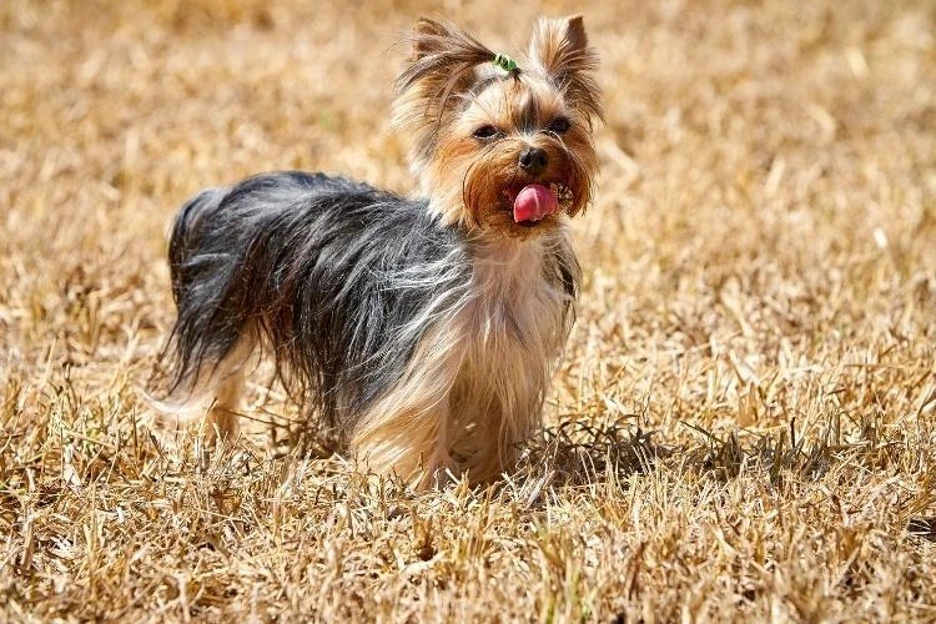
Image by Para827 from Getty Images
The History of the Yorkshire Terrier Breed Standard
The Yorkshire Terrier has one of the most interesting histories among all small dogs. While Yorkies are now popular lapdogs and family companions, they came from working terrier breeds with bold instincts and quick reactions.
From Working Terrier to Beloved Companion
The Yorkshire Terrier traces back to the 19th-century Yorkshire and Lancashire in northern England. Scottish weavers and other workers brought small terriers with them when they moved for jobs in textile mills, mines, and factories.
According to the Yorkshire Terrier Club of America, these dogs helped catch rats in mills and work areas. They were quick, brave, and small enough to move through tight spaces. Over time, breeding changed Yorkies into smaller companions with long, silky coats.
Older records from the American Kennel Club (AKC) (2024) link the breed to the broken-haired Scottish terrier, the Clydesdale Terrier, Paisley Terrier, and other terrier breeds. The Yorkshire Terrier was named a separate breed in the 1870s, and the British Kennel Club recognized the breed in 1886.
After the official recognition, Yorkies transformed from rat hunters to lap sitters. They later became a favorite of Victorian ladies, moving from working-class roots into fashionable homes and dog shows. They've remained one of the most popular breeds to this day for their unique blue-and-tan silky coat, neat topknots, and confident little trot.
How the Breed Standard Shapes Today’s Yorkie
A breed standard is the official description of how a purebred dog should look, move, and carry themselves. For Yorkshire Terriers, the standard highlights a compact body, confident carriage, a silky coat, and straight blue-and-tan coloring. According to the AKC standard, the ears must be small, V-shaped, carried erect, and set not too far apart.
For pet parents, this explains why the breed has such an admirable floor-length coat and a proud posture. A healthy Yorkshire Terrier should look balanced, alert, and confident, not delicate and timid.
How Yorkie History Shows Up in Daily Life
A Yorkie’s past explains a lot about the breed's daily life. Their working terrier background can manifest as barking, chasing, digging, investigating, and guarding behaviors. They may notice every delivery truck, doorbell, and squirrel outside the window.
This is what makes them terriers, and you should guide those instincts with training, enrichment, and calm routines.
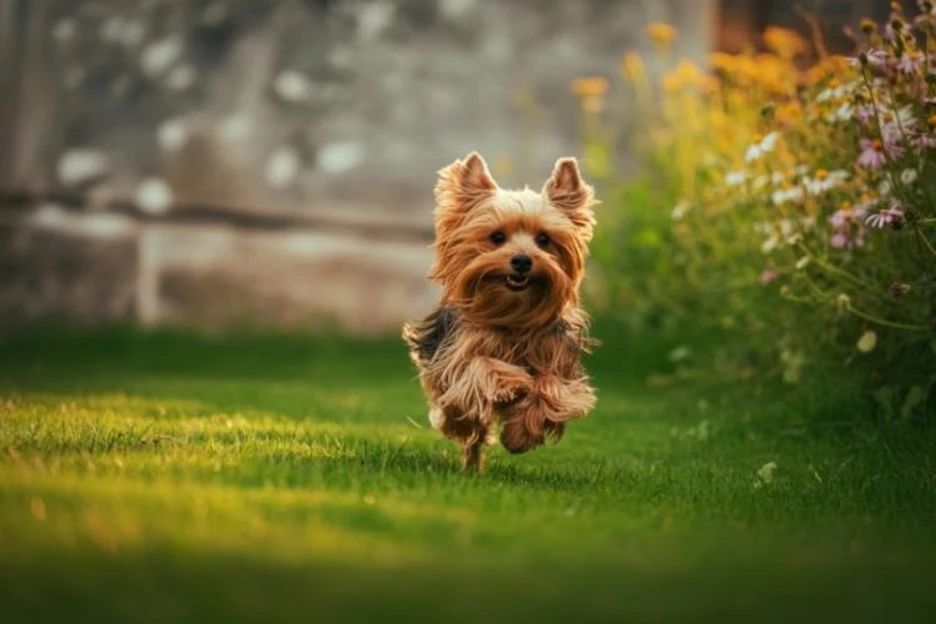
Image by Iulian Mihailescu's Images via Canva
Yorkie Temperament
The Yorkshire Terrier temperament is one of the main reasons people fall in love with the breed. Yorkies are affectionate, bright, spirited, and full of personality.
They’re not the right match for someone who wants a silent, low-effort dog. A Yorkie always wants to be part of the action. They love attention, enjoy routines, and often expect to have a say in household life.
Are Yorkies Affectionate?
Yes, Yorkies are often very affectionate, especially around their favorite people. They often bond closely with one or two favorite humans and like to stay nearby throughout the day.
A Yorkie can curl into your lap, nap beside you, follow you into the kitchen, and greet you like you’ve been gone for hours. Their loyalty is what makes them such loving companions.
This attachment can also lead to separation anxiety if a Yorkie never learns how to relax alone. Short practice sessions, safe spaces, and predictable routines can help them feel secure.
Are Yorkies Good With Families?
Yorkies are good family dogs, especially with children who understand gentle handling. Because of their small size, children can accidentally hurt Yorkies by grabbing, dropping, or stepping on them. Some Yorkies may nip if children corner, frighten, or handle them roughly.
The best family setups for Yorkies should include supervision, calm introductions, and clear rules. It's important to teach your children how to treat a Yorkie, avoid rough handling, and respect the dog’s resting space.
Do Yorkies Get Along With Other Pets and Dogs?
Many Yorkies live happily with other dogs and pets when you introduce them carefully. Early socialization helps them learn that other animals are normal, not threats.
However, you still need to be cautious around large dogs. Yorkies may act boldly with large dogs because of their brave personality. But a friendly bounce from a bigger dog can still injure them.
With cats, calm introductions usually work best. Because terrier breeds can have chasing instincts or prey drive, supervise them closely around small pets. These include rabbits, guinea pigs, hamsters, gerbils, pet rats, mice, ferrets, birds, and other pocket pets.
Common Yorkie Behavior Traits
Yorkies are known for:
- ●Alert barking
- ●Confidence
- ●A stubborn streak
- ●Playfulness
- ●Watchdog instincts
- ●Strong attachment to owners
- ●A spunky personality
- ●Curiosity around sounds and movement
Important Note: While Yorkies are small, they're not shy companions. They need love, structure, training, and safe handling like any other dog.
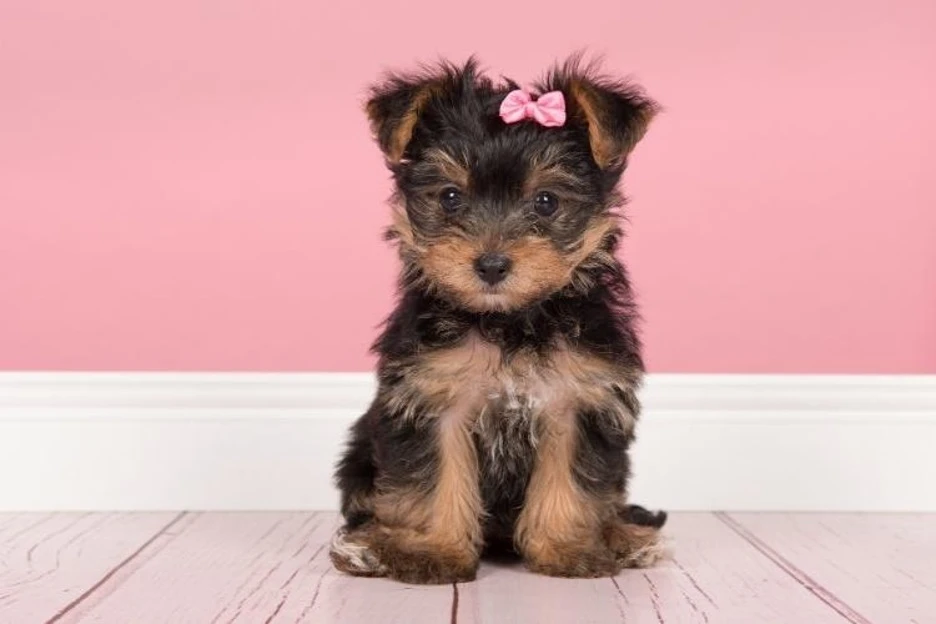
Image by Elles Rijsdijk via Canva
Bringing Home a Yorkie Puppy: Training and Socialization Tips for Yorkie Parents
While a Yorkie puppy can be sweet, funny, and full of energy, they can also test your boundaries quickly. This is why early training and socialization matter. Good habits are easier to build from the start. For new Yorkie owners, the first weeks should focus on:
- ●Building trust.
- ●Establishing routines.
- ●Safe socialization.
- ●Potty training.
- ●Gentle handling.
For a simple first-week checklist, our new puppy quick start guide can help you prepare before your puppy comes home.
The Importance of Early Training
Yorkies are intelligent, but they can be a bit stubborn. If training feels boring or harsh, they may tune out. Keep sessions short and upbeat. A few minutes at a time works well, especially for a young Yorkie puppy. Reward the behavior you want with treats, praise, play, or attention.
Focus first on name response, come, sit, quiet, handling, crate or pen comfort, and potty routines. These small lessons make daily life easier.
Socialization From Day One
Socialization means helping your Yorkie feel safe in normal life. This includes people, household sounds, grooming tools, car rides, other pets, and calm public spaces.
Keep each new experience gentle and positive. A Yorkie puppy needs steady exposure that helps them feel safe, curious, and confident. You can start socializing carefully by:
- ●Gently carrying your puppy.
- ●Inviting trusted visitors over.
- ●Playing sound recordings softly.
- ●Practicing gentle brushing at home.
Barking and Watchdog Habits
Yorkies bark because they’re alert, notice things, and react quickly. That watchdog instinct can be useful, but excessive barking becomes stressful in apartments or shared homes.
Try these habits early:
- ●Teach your Yorkie a quiet cue and reward calm behavior.
- ●Don’t yell, because it sounds like you’re barking too.
- ●Block window views if outside movement triggers barking.
- ●Use interactive toys to reduce boredom.
- ●Reward your Yorkie when they notice a sound and then settle.
House Training Expectations
Small breeds require patience with house training. Tiny bladders need frequent breaks, especially after sleep, meals, play, and excitement.
Use a consistent potty schedule, praise successes right away, and supervise closely indoors. A crate or puppy pen can help your Yorkie learn where to rest and where not to potty. Of course, accidents will happen, but clean them calmly and return to the routine.
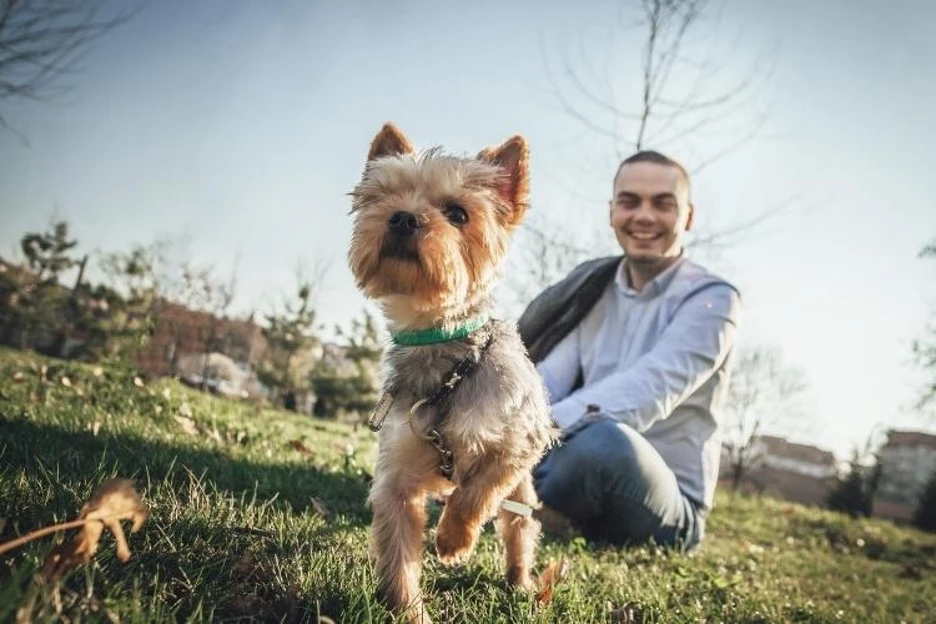
Image by Marko Nikolic Photography from Getty Images
How Much Exercise Do Yorkies Need?
Yorkies need daily movement, play, and mental stimulation to stay happy. Fortunately, their exercise needs are manageable for most pet parents.
Daily Exercise Needs
Most adult Yorkies need around 30 minutes of exercise per day, often split into two short walks plus indoor play. Short sessions suit them better than long, intense outings. Their legs are small, and they can tire faster than larger breeds. A morning walk, a few play breaks, and an evening stroll are all you need to give a Yorkie a healthy exercise rhythm.
Mental Stimulation
A bored Yorkie often barks, chews, paces, or demands attention. Mentally stimulating exercises, such as puzzle toys, short training games, gentle indoor fetch, and simple agility-style obstacles, can keep them engaged. Some Yorkies also enjoy dog sports when you scale activities safely for their size.
Training also keeps your Yorkie’s mind busy. Even five minutes of practicing simple commands can help them feel calmer and more settled.
Activities to Avoid
Avoid high-impact jumping, rough play with larger dogs, and long walks in heat. Yorkies are prone to neck and airway issues, so a harness is usually a better choice than attaching a leash to a collar. A harness distributes pressure across the body instead of the throat.
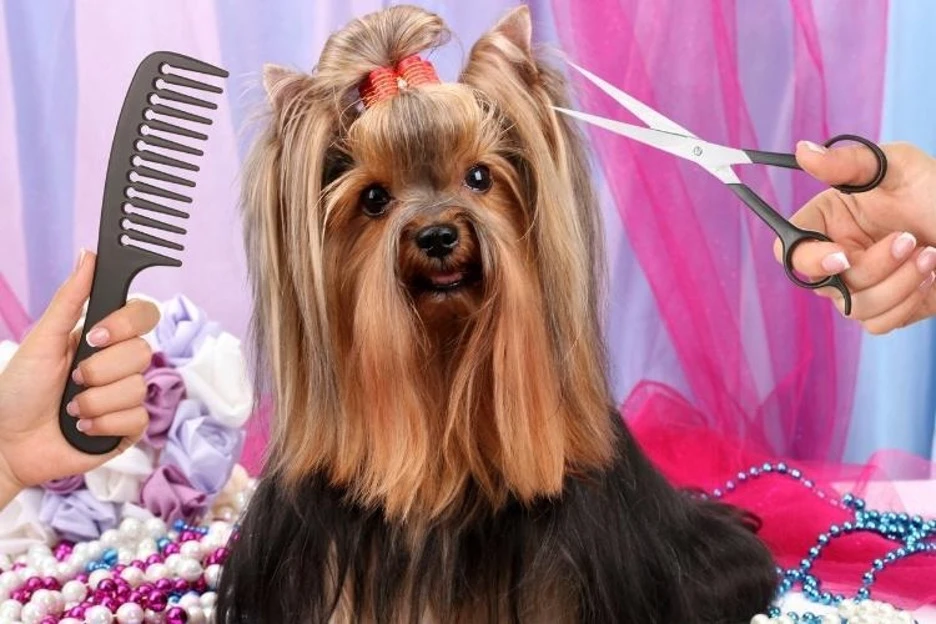
Image by Pixelshot on Canva
Yorkie Grooming: Silky, Low-Shedding, and Hypoallergenic Coats
Grooming is one of the biggest care commitments for this breed. Their coat is beautiful, soft, and elegant, but it needs regular attention.
The Yorkshire Terrier’s coat is often compared to human hair because it grows long and has a silky texture. It also sheds less than many other breeds, which may suit some people with mild dog allergies.
Are Yorkies Hypoallergenic?
Yorkies are often described as hypoallergenic because they shed little and have fine, silky coats. However, no dog is truly allergy-free. You can still react to dander, saliva, and proteins on the skin, not just loose hair. Try to spend time with Yorkies before choosing a puppy, especially if you have allergies. Regular grooming, baths, and cleaning can also help reduce dander around your home.
Long Coat vs. Puppy Cut
A long show-style coat looks striking, but it needs daily brushing and more extensive grooming. Without care, the coat can mat and pull at the skin.
A puppy cut is often easier for pet homes. The coat stays shorter, neater, and easier to brush. Many families choose this trim because it keeps the Yorkie comfortable while still showing off that soft, silky coat. A puppy cut also makes outdoor play, bath time, and daily care less stressful.
Basic Grooming Routine
| Grooming Task | How Often |
|---|---|
| Brush long coats | Daily |
| Brush puppy cuts | Weekly or several times a week |
| Bath | Every 2-4 weeks |
| Professional grooming | Every 6-8 weeks |
| Wipe eyes | As needed |
| Trim nails | Every few weeks |
| Clean ears | As recommended by your groomer or vet |
Regular grooming helps you spot skin irritation, ear issues, lumps, tender spots, and changes in your dog’s health. If you're a new parent, look for puppy health records and veterinary care health documentation for a confident start.
At HonestPet, we go beyond finding loving homes. Every puppy arrives healthy, happy, and backed by our health guarantee.
Dental Care Is Part of Grooming
Toy breeds often need careful dental routines. Small mouths can crowd teeth, making plaque and tartar buildup more likely. Ask your vet about tooth brushing, dental chews, and professional cleanings. Start slowly with a vet-approved toothbrush to help your pup get used to dental care over time.
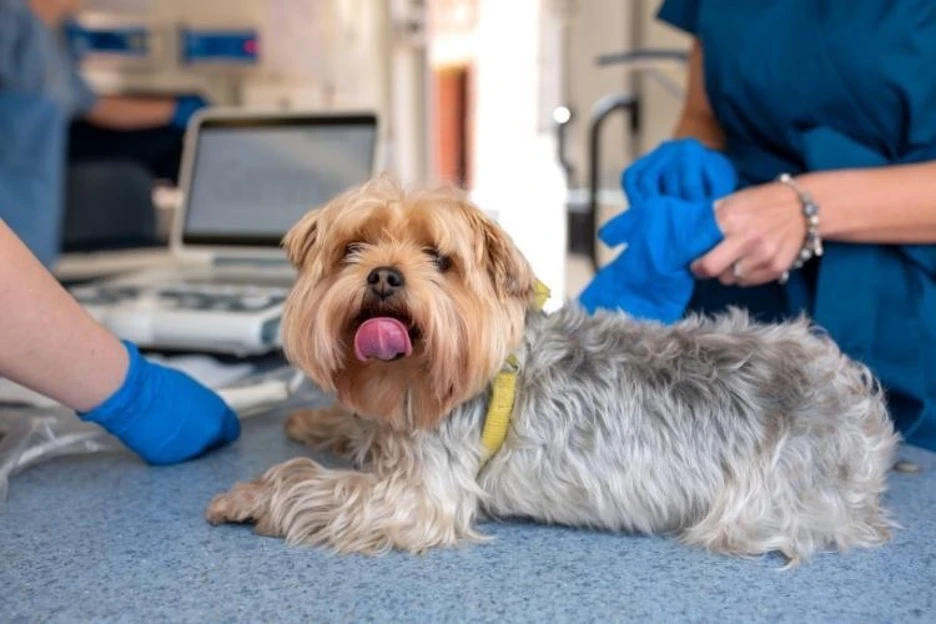
Image by TryMyBest via Canva
Yorkie Health Conditions and Life Expectancy
Yorkies are often long-lived little dogs, but no breed is free from health risks. You should know what to watch for and why responsible care matters. A good breeder, early vet care, safe handling, quality dog food, dental routines, and regular checkups support a Yorkie’s well-being.
Yorkie Life Expectancy
Yorkies live around 11-15 years on average. Some live longer with good care, while others pass earlier because of illness or injury.
Life expectancy depends on many factors, including genetics, preventive care, nutrition, dental health, and safe handling. Falls, rough play, or jumping from furniture can injure these small dogs, so home setup is also very important.
A Yorkie’s long lifespan means you’re making a long-term commitment. It’s a relationship that can last well over a decade.
Common Health Conditions in Yorkies
According to the AKC, Yorkies can be prone to several health conditions, including:
- ●Luxating Patella: The kneecap slips out of place, which may cause skipping, limping, or discomfort.
- ●Dental Disease: Small breeds are prone to plaque and gum disease without routine dental care.
- ●Hypoglycemia: Low blood sugar is a concern in young puppies, especially very small ones.
- ●Tracheal Collapse: The airway weakens, which can lead to coughing. Use harnesses to help reduce neck pressure.
- ●Liver Shunts: Also called portosystemic shunts, these affect blood flow through the liver.
- ●Eye Conditions: Cataracts, dry eye, and progressive retinal issues can occur.
- ●Legg-Calvé-Perthes Disease: A hip condition that can cause pain and limping in small breeds.
Call your vet if your Yorkie seems weak, shaky, disoriented, coughs often, limps, avoids food, or shows sudden changes in behavior.
Best Homes for Yorkies
Yorkies can be a good breed for many homes, but they’re not the perfect fit for everyone. Their size makes them easy to live with in apartments, but their vocal needs, grooming requirements, and strong personalities require planning.
Yorkies often live well with:
- ●Apartment dwellers, who can train their barking habits.
- ●Singles or couples who want a close companion.
- ●Families with older children.
- ●Parents who enjoy grooming routines or regular visits to a groomer.
- ●Parents who want a loyal, affectionate dog.
- ●Homes that can offer daily play and attention.
Yorkies vs. Other Breeds
| Comparison | What to Know |
|---|---|
| Yorkies vs. Poodles | Both are smart and often allergy-friendly. But Yorkies are more terrier-bold and watchful. |
| Yorkies vs. Cavapoos | Yorkies are usually smaller and more alert. Cavapoos often have a softer, more easygoing temperament. |
| Yorkies vs. Dachshunds | Both are bold, small dogs. Dachshunds need special back care, while Yorkies need daily coat grooming. |
When comparing Yorkies with other breeds, think beyond size. Consider grooming, barking, confidence, training needs, and how much attention the dog may want.
If you’re still undecided whether a Yorkie is the perfect fit, browse our Cavapoo, Miniature and Toy Poodle, or Dachshund puppies to compare personalities, care needs, and family fit.
What to Ask Before Choosing a Puppy
Before choosing a Yorkie puppy, ask:
- ●Can I see health records?
- ●Has the puppy had a vet check?
- ●What vaccinations and deworming have been done?
- ●What is the puppy’s temperament like?
- ●How has the puppy been socialized?
- ●Can I meet the breeder or speak with the team?
- ●What support is available after I bring the puppy home?
Red Flags to Avoid
Be careful if you see:
- ●No health records
- ●No breeder transparency
- ●Pressure to pay quickly
- ●No video call or real photos
- ●No support after purchase
- ●Puppies available too young
- ●Sellers who avoid questions
- ●Pricing that seems too good to be true
Responsible Breeders Give Yorkies a Healthier Start
Responsible breeders care about health, temperament, early handling, cleanliness, and where each puppy will live. They welcome thoughtful questions about vet checks, vaccination records, deworming, parent health, socialization, and the puppy’s daily environment.
At Honest Pet, we work with verified breeders who meet our ethical standards, with a focus on animal welfare, health records, and transparency. This matters for every breed, especially for tiny dogs like Yorkies.
How HonestPet Supports Families
HonestPet focuses on trusted, verified breeders, no puppy mills, breeder meetup options, and clear puppy records.
We also provide safe nationwide puppy delivery, including comfort-focused transport options and puppy flight companions where available. Our lifetime training support and complimentary insurance give new puppy parents guidance and peace of mind after the first day home.
Frequently Asked Questions
Why Are They Called Yorkies?
Yorkie is the nickname for the Yorkshire Terrier. The breed got its name from Yorkshire in northern England, where early dogs helped catch rats in textile mills and factories. The Kennel Club later recognized the Yorkshire Terrier as a separate breed, and the shorter nickname stuck.
What Is a Yorkshire Terrier Loved For?
Today, people love Yorkshire Terriers mainly for their indelible companionship. Families often choose them for their loyal personality, small size, and adaptability to apartment living.
Yorkies were originally bred as rat hunters, which explains their alert nature and watchdog instincts. Many still enjoy training games and dog sports that keep them mentally active.
What Were Yorkshire Terriers Originally Bred to Do?
During the 19th century, workers used small terriers to catch rats in textile mills and workshops. Scottish weavers brought these terriers to northern England, where they were gradually bred into the Yorkshire Terrier we know today.
Their bravery and quick reflexes made them excellent working dogs despite their small size. For instance, a famous Yorkie named Smoky even helped comfort wounded soldiers during World War II.
Is a Yorkie Puppy Good for First-Time Owners?
A Yorkie puppy can be a good fit for first-time owners who are prepared for training, grooming, and daily attention. They’re affectionate and smart, but they can also be vocal and a bit stubborn. Because they’re such a small breed, supervise them around very young children is important. Young puppies also need high quality dog food throughout the day to help regulate blood sugar.
Do Yorkies Choose One Favorite Person?
Yorkies can form close bonds with one person, although they usually love the whole family. They often follow their favorite person around the house and enjoy staying close throughout the day. This strong attachment makes them loyal companions, which means they can struggle if you leave them alone too often.
Conclusion
Yorkshire Terriers are tiny, brave, affectionate dogs with silky coats and loyal hearts. They can bring a lot of love into the right home, but they also need care and attention. A Yorkie needs training, socialization, regular grooming, gentle handling, daily play, and proactive health support. Their small size makes them great for apartments, but their confident voice and terrier instincts need guidance.
A Yorkie can be a great match if you want a loyal, spirited companion and can commit to the training, grooming, and daily care this breed needs. When you’re ready to take the next step, browse our Yorkshire Terrier puppies today. You'll learn more about responsible breeder standards and review health support before choosing your new furry friend.
References
- ●American Kennel Club. (n.d.). Yorkshire terrier dog breed information. American Kennel Club.
- ●American Kennel Club. (2024, June 26). Yorkshire terrier history: From working-class to luxury lapdog.
- ●The Kennel Club. (n.d.). Yorkshire Terrier.
- ●Yorkshire Terrier Club of America. (n.d.). About Yorkies.
Ready to Get Started?
Find your perfect puppy and start your journey today!