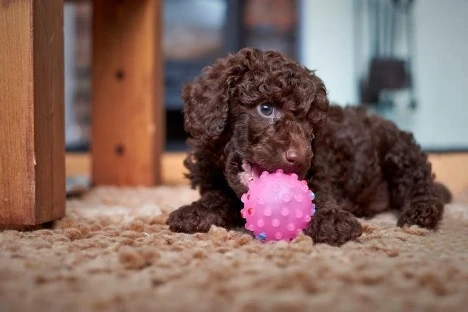

Miniature Poodles can win you over quickly with their soft coat, defined curls, and bright, curious eyes. They’re an intelligent, affectionate breed that’s easy to train. According to the American Kennel Club (AKC), they stay alert, bond closely with people, but need mental and physical engagement to feel settled. With the right care, they’re loving and easy to live with. But they can get restless, bark at anything, or become a bit too clingy without enough attention.
This guide provides a clear, honest look at the Miniature Poodle's personality, how they behave day-to-day and interact with people and other pets, and what it really takes to live with one.
Key Takeaways
- ●The Miniature Poodle was once a water retriever but evolved into a devoted companion, now recognized as the French National Dog and loved around the world.
- ●Miniature Poodles are highly intelligent, affectionate, and emotionally aware. They bond closely with people and thrive in homes that offer attention and structure.
- ●Their alert nature means they can bark and develop separation anxiety without proper structure, but they’re highly trainable with consistent guidance.
- ●They require a lifelong grooming commitment. Their iconic Poodle clips are also about health and function as much as they are about fashion.
- ●Like all dogs, Miniature Poodles are affected by certain health conditions. Choosing a responsibly bred puppy helps reduce the risk of serious disease and supports long-term well-being.
- ●With the right care, training, and environment, Miniature Poodles grow into loving, responsive companions that fit perfectly in the right home.
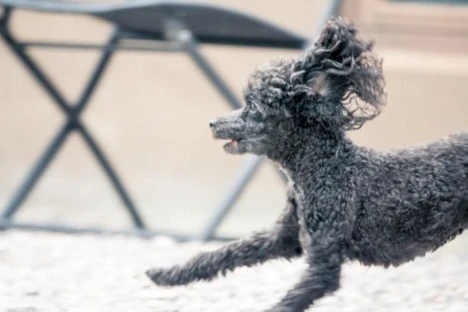
Image by Thomasmales from Getty Images via Canva
History of the Miniature Poodle Personality
The Miniature Poodle’s personality comes from its history as a working dog and a close companion in France. Most French Poodles began as water retrievers. The word Poodle comes from the French term Caniche, meaning “duck dog,” reflecting the breed's active, alert nature today.
Over time, smaller versions of the breed emerged. These dogs became trusted companions, which helped shape their affectionate, people-focused personality and confident, elegant presence.
They soon became popular dogs, admired for both intelligence and style. At the same time, these mini Poodles remained versatile, working as hunting dogs, show dogs, and loyal home companions. The AKC officially recognized them in 1887. As the breed spread across the whole world, they retained their intelligence, adaptability, and a strong bond with their owners.
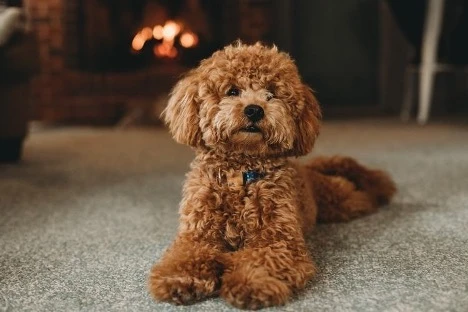
Image by Steven Van Elk from Pexels via Canva
So, What Is the Miniature Poodle Personality?
Miniature Poodles are intelligent, people-focused, and emotionally attuned dogs. They like to know what’s happening, where you are, and whether they can join in. At home, a mini Poodle will follow you from room to room, watch your routines closely, and learn patterns faster than you expect.
They’re highly intelligent and sensitive. They pick up on tone, tension, and routine quickly. This makes them a perfect companion for engaged owners, but a poor fit for hands-off ones.
Personality Traits of Miniature Poodles
Miniature Poodle traits show up in training and everyday life. They're easy to live with once you establish a consistent daily routine. Many people love Miniature Poodles, because they're:
- ●Intelligent: They often learn household routines quickly, pick up new cues fast, and remember what earns them attention.
- ●Affectionate and Loyal: Miniature Poodles form strong bonds and like to stay close. They’re not overly needy, but they do crave companionship and struggle when they feel disconnected.
- ●Alert and Observant: They notice sounds, visitors, movement outside the window, and shifts in their environment. This makes them great little watchdogs, but without training, they can turn into frequent barkers.
- ●Playful: Miniature Poodles stay playful well into adulthood, but they’re also sensitive. Harsh corrections, chaos, or loneliness can quickly lead to stress behaviors.
How Mini Poodles Compare to Similar Breeds
Compared to many popular companion dog breeds, such as Cockapoos and Cavapoos, Miniature Poodles are often intelligent and predictable. Since they're a pure breed (not a Poodle mix), their temperament is often more consistent.
Their compact size also makes them more convenient to travel with by land and air than standard Poodles, and they're more hardy than the more delicate Toy Poodles. That said, each dog still has a unique personality, depending on the environment and the owner.
Are Miniature Poodles Good Family Dogs?
Miniature Poodles are wonderful family dogs. They’re affectionate and playful, and their small size makes them easy to live with. They also like to be part of family life, not left on the sidelines.
However, this doesn't mean they're an automatic fit for every family. Like all dogs, they need respectful interactions with kids, consistent supervision, and a dependable routine, not just love from a distance.
If you're thinking about bringing a family-friendly Miniature Poodle puppy home, consider our Miniature and toy Poodle puppies from reputable breeders. At Honest Pet, we work with ethical breeders who ensure every puppy arrives healthy, happy, and backed by our health guarantee.
The AKC notes that Poodles from a good breeder can live peacefully with children and other dogs if you meet their exercise, care, and supervision needs.
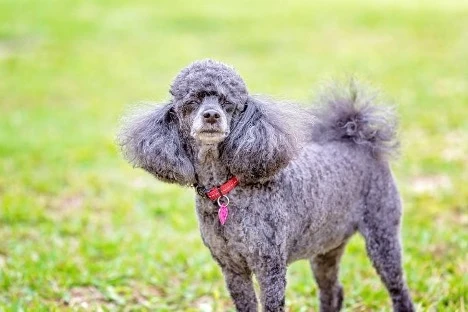
Image by Michele Jackson from Getty Images via Canva
Miniature Poodle Temperament
Temperament is how a dog reacts to people, pressure, change, and daily life. The Miniature Poodle's temperament tends to be affectionate, responsive, and socially aware, but not always carefree. They often read the room closely and respond to how they’re treated.
That’s part of their charm. A Miniature Poodle often wants to participate, not just coexist. When you meet that need, they become loving companions without the anxious, noisy or restless behavior.
Social Behavior with People
Miniature Poodles are generally friendly, but a little selective at first. They warm up quickly to kind, calm people while holding back around loud strangers or overwhelming environments. This means they’re thoughtful and observant before fully relaxing.
Miniature Poodles tend to form strong bonds with their owners. They often pick a favorite person, but can still be affectionate to the whole household. This close bond is why they love eye contact, interaction and shared routines.
Interaction With Other Pets
When you handle introductions properly, Miniature Poodles are often good with other pets. Early socialization is very important here. A puppy who learns to meet older dogs and respectful cats, and adapt to new environments, grows into a confident, adaptable adult.
Since they’re alert and intelligent, some Miniature Poodles can be bossy or overly excited at first. But in many cases, they learn quickly and adapt to your household's routine. The AKC notes they usually get along well with other dogs, but it depends on a good temperament match and proper introductions.
Sensitivity and Emotional Awareness
One of the most distinctive features of the Miniature Poodle temperament is emotional sensitivity. They're highly intuitive and often know when you're upset or tired.
This emotional awareness is why Poodles love close companionship and often form deep bonds. In a peaceful, loving environment, their sensitivity helps them thrive.
This tendency aligns with the AKC's breed guidance, which describes Poodles as attentive, eager to please, and responsive to human interaction.
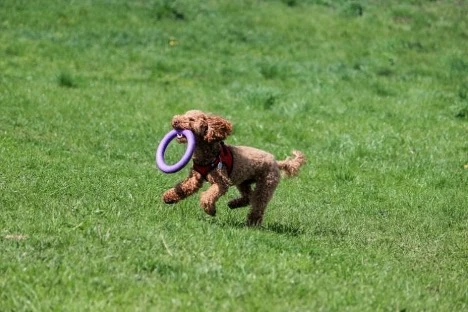
Image by Наталья Севрук from Pexels via Canva
Miniature Poodle Behavior
While Miniature Poodles are small dogs, they're never content with a passive lifestyle. They often want a mix of activity, play, training, and grooming from their owners.
Life with a mini Poodle means your dog will stay close, get excited for walks, notice everything around the house, and need regular activity to stay happy. Without ample outlets, these smart dogs tend to be nervous and clingy, sometimes barking loudly.
Energy Levels and Exercise Needs
Miniature Poodles usually have moderate to high energy. They’re active dogs, but not as physically demanding as some larger working dogs. They need daily walks, short training sessions, playtime, and mental stimulation to stay settled.
A couple of long walks each day can help, but exercise alone isn’t enough for such an intelligent breed. Mini Poodles also thrive on puzzles, games, scent work, short obedience practice, or even simple tasks around the house.
Do Miniature Poodles Bark a Lot?
Miniature Poodles are often alert barkers. They notice and bark at things, such as a knock at the door, movement outside, unfamiliar sounds, or sudden environmental changes. The habit can grow if you ignore or accidentally reward it with frantic attention.
Fortunately, you can manage barking with training. While they won’t stop barking entirely, you can teach your dog that a simple alert is enough to bark. They normally respond consistently to training, and you'll notice a great improvement.
Separation Anxiety and Attachment
Since Miniature Poodles often form deep attachments, separation anxiety can become a real issue, especially in young pups. They thrive in engaged homes where they slowly build up alone time through predictable routines.
If you can offer companionship, training, and structure, Miniature Poodles adapt well. Breed guidance from the AKC and training resources consistently emphasize their need for active engagement and a predictable routine.
The Best Miniature Poodle Traits and Related Challenges
Every breed has strengths and tradeoffs. Miniature Poodles are no exception. The same traits that make them wonderful pets also create challenges when expectations don’t match reality.
Best Traits
The best trait of the Miniature Poodle is intelligence. They learn quickly, enjoy training, and respond impressively once they understand what you want.
Their hypoallergenic coat is another reason they’re so popular with allergy sufferers. While no dog is allergy-free, Miniature Poodles are low-shedding compared with many other dog breeds, which makes them easy to live with.
They’re also attentive and people-focused. Miniature Poodles are great dogs for first-time owners, but you must be willing to stay consistent.
Trait Challenges
When a mini Poodle gets bored, their intelligence can turn into stubbornness. They learn patterns fast, including the ones you didn’t mean to teach. That's why they need mental stimulation. A bored mini Poodle barks, paces, demands attention, or invents games you won’t enjoy.
Then there’s grooming. Their coat is beautiful, but the Poodle's hair keeps growing. They need regular brushing, trimming, ear care, and appointments with a professional grooming service. According to the AKC, Poodles are low-shedding but require frequent coat care and early, positive exposure to grooming.
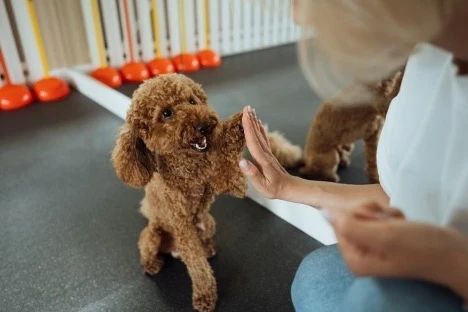
Image by Lightven from Getty Images via Canva
Miniature Poodle Training
Miniature Poodles are highly intelligent, quick to make associations, and usually motivated by attention, food, toys, or praise. This combination makes training them rewarding.
While they're easy to train, they need guidance, repetition, and enough structure to understand their daily routine. When you're inconsistent, even smart dogs get confused.
Why They’re Easy to Train
Miniature Poodles are eager to please and naturally attuned to people, which makes them responsive learners. They often notice patterns after a few repetitions and can move through basic cues, house training routines, and household manners faster than many other dogs.
They’re also so observant and tend to generalize what works. If sitting calmly or barking gets attention, they repeat it. Don't focus only on what happens in formal sessions. Training is what the dog learns from watching you all day long.
Best Training Methods For Miniature Poodles
Positive reinforcement works especially well with Miniature Poodles. Reward the behavior you want, keep sessions short and clear, and build consistency into daily routines. These dogs usually respond much better to patient teaching than to harsh corrections.
Consistency matters just as much as praise. Everyone in the home should use the same cues and have the same expectations. If one person allows jumping and another person scolds it, the dog gets mixed signals.
Because they’re sensitive, Miniature Poodles often need calm, confident training instead of loud, forceful handling. Supportive structure creates faster progress than frustration does.
If you’re preparing for a new puppy, our quick-start guide can help you plan for early routines like potty training, play biting, and adjustment at home.
Common Training Mistakes
One of the biggest mistakes is inconsistency. Smart dogs spot loopholes fast. If you sometimes reward a behavior and other times ignore it, your mini Poodle will keep testing it.
Another common problem is underestimating the need for mental stimulation. Short training games, puzzle feeders, scent games, and learning new cues can make a huge difference.
Some pet parents also wait too long to teach independence. Because of separation anxiety, you need to teach puppies how to stay calm during alone time from the start. Don't assume your puppy will “grow out of” clinginess.
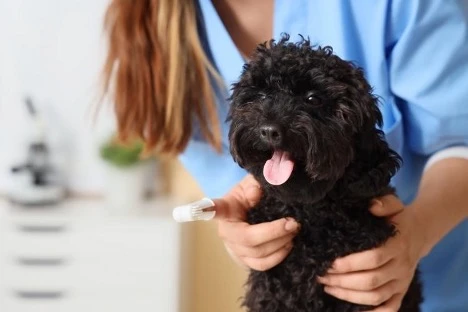
Image by Pixelshot via Canva
Health Issues That Affect Miniature Poodle Behavior
Health problems can change how a dog acts, responds, and feels day to day. That matters with Miniature Poodles because some health issues affect their comfort, mood, and energy.
Common Health Problems
The Poodle Club of America lists the following as common health problems in toy and Miniature Poodles:
- ●Legg-Calve-Perthes Disease: This occurs when the femoral head loses its blood supply and breaks down in the hip joint. Signs include hip pain or one leg appearing shorter than the other.
- ●Progressive Retinal Atrophy: A genetic eye condition that causes gradual vision loss over time, often starting with night blindness and eventually leading to complete blindness.
- ●Dental Disease: This causes oral pain, which can make dogs irritable, less interested in food, or reluctant to let anyone touch around their face. Not to mention bad breath and possible system infection.
- ●Heart Valve Disease (Most Often Mitral Valve Disease): This can reduce stamina and change exercise tolerance. Your mini poodle can develop a heart murmur from a leaking mitral valve as they get older which can lead to exercise intolerance, restlessness and reduced stamina.
- ●Addison’s Disease (Hypoadrenocorticism): This affects the adrenal glands and can lead to vague but serious symptoms such as weakness, vomiting, weight loss, and collapse. Merck Veterinary Manual describes it as a life-threatening endocrine disorder that requires lifelong medication. Conversely Cushing's Disease (Hyperadrenocorticism) is an disease of overactive adrenal glands resulting in excess bodily Cortisol. Common signs including increased thirst, urination, and appetite, a "pot-bellied" appearance, hair loss, and panting. This condition also requires life long medication.
How Health Impacts Personality
Pain can look like a behavior problem. An affectionate dog can suddenly become snappy when you touch them. A playful one may seem withdrawn. Hormonal-related or heart diseases often leave them flat, restless, aggressive, or unusually tired.
That’s why you should never brush off sudden changes in Miniature Poodle behavior as attitude. If your dog seems different, uncomfortable, less social, or easily frustrated, take them to a veterinary clinic. Your vet can help identify the root cause of the problem.
Preventive Care Tips
Preventive care starts with regular vet visits, dental care, grooming, and asking about breed-specific screening. Choosing a puppy from responsible breeders who value health testing also lowers risk.
At Honest Pet, we emphasize ethical standards that focus on breeder screening, health documentation, and responsible care practices. Many pet parents want this kind of transparency to avoid puppy mills or weak breeding stock.
Our dedicated, responsible breeders routinely test all breeding stock for health issues such as hip dysplasia, epilepsy, intervertebral disc disease, and immune-mediated disorders. They also test vital organs, such as the lungs, heart, kidneys, and ears, as well as the nose.
Image by Aflo Images via Canva
Is a Miniature Poodle Puppy Perfect for You?
A Miniature Poodle puppy is an amazing fit if you want an active relationship with your dog.
Ideal Owner Profile
The ideal owner should be someone who wants companionship, likes training, and has time for regular interaction. You need to be present. Miniature Poodles enjoy long walks, short training sessions, and mentally stimulating activities like puzzles and games.
They’re often a great fit if you want a loving, responsive dog and don’t mind regular grooming. However, if you work long hours, dislike barking, and want a highly independent breed, they're not a great fit.
Living Environment Fit
Miniature Poodles live well in apartments, condos, or houses. They don't need a huge yard to be happy, just enough exercise, companionship, and structure.
They also do very well with families, singles, and older adults when their social and mental needs are met. They’re adaptable small dogs, but they still need present owners.
What to Expect in the First Year
The first year with a Miniature Poodle puppy is best for bonding. This includes house training, grooming, desensitization, socialization, basic obedience, and learning how to settle alone.
Your puppy will be clever and curious, and will test boundaries at times. You’ll see progress, along with some setbacks, and it will take consistent effort. The first year mainly lays the foundation for a strong bond and a well-trained, affectionate dog.
If you’re thinking of bringing a mini Poodle home, look for a puppy raised with care, ask questions about health and socialization, and work with responsible breeders. Your puppy should arrive with all the necessary health paperwork, giving you confidence from day one.
At Honest Pet, we provide safe and guaranteed nationwide puppy delivery with all the necessary health documents. USDA-licensed couriers ensure a safe, stress-free journey, providing hands-on care and constant monitoring from pickup to drop-off.
Frequently Asked Questions
Are Miniature Poodles Good for First-Time Owners?
Yes, their intelligence and trainability make them easier for beginners to live with than many other breeds. However, first-time owners will need to stay consistent and commit to grooming, exercise, and mental stimulation.
Are Miniature Poodles Aggressive?
They're not generally an aggressive breed. A poorly socialized or fearful puppy can still show defensive behavior, but Miniature Poodles are usually affectionate, alert, and people-oriented.
Are Miniature Poodles Hypoallergenic?
Miniature Poodles are hypoallergenic because they shed very little compared to other breeds. This can help some people with allergies, but it doesn’t mean no one in the home will react. People usually react to dander, saliva, and skin particles, not just loose fur. So while a mini Poodle’s low-shedding, curly coat reduces the spread of allergens around the home, it doesn’t eliminate them.
The Poodle’s coat has soft, defined curls that give it a neat look and trap loose hair. This makes them easier to live with because of less mess and shedding. However, it also means coat care matters. When loose hair remains in the coat, these small Poodles can quickly form mats without regular grooming.
Do Miniature Poodles Like Being Alone?
Miniature Poodles don’t like being alone for long periods. With gradual training, they can handle some time alone, but they’re happiest in homes where they get regular attention and companionship.
Are Miniature Poodles Good with Kids?
Miniature Poodles are usually great with kids, especially in homes where children are gentle and interactions are supervised. Their playful and affectionate nature makes them a great fit for many families. However, they don't respond well to rough handling or constant chaos, so guidance and supervision are important for kids.
Conclusion
Miniature Poodles are loving dogs. They’re quick to learn, deeply attached to their people, and full of character. They also need companionship, regular grooming, mental stimulation, and thoughtful training. This makes them the most suitable breed for active and present pet parents.
If you like the Miniature Poodle personality, take your time and choose carefully. Look for transparency, health information, and ethical breeder standards. At Honest Pet, we focus on trusted partnerships, verified breeders, health records, training support, and safe delivery options to give you peace of mind as you start your search.
References
- ●American Kennel Club. (n.d.). Poodle (Miniature) - Dog breed information.
- ●Merck Veterinary Manual. (n.d.). Addison's disease (hypoadrenocorticism) in animals.
- ●Poodle Club of America. (n.d.). Health concerns.
- ●Poodle Club of America. (2024, December 11). PCA health statement for AKC, December 11, 2024.
Ready to Get Started?
Find your perfect puppy and start your journey today!