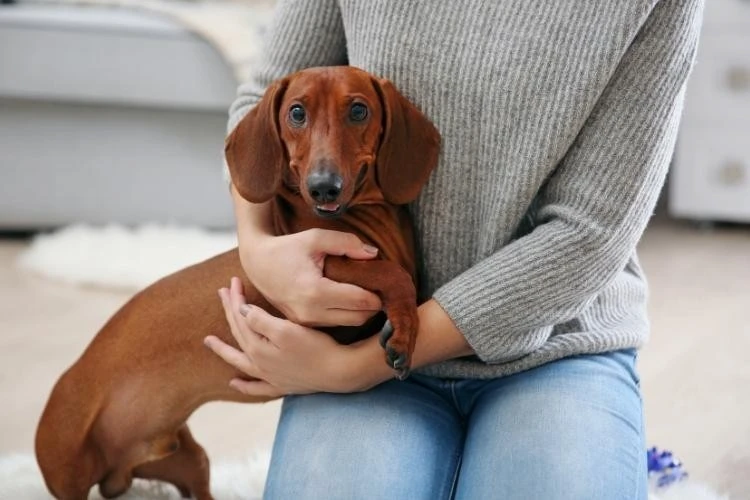

Dachshunds are small enough to fit comfortably on your lap, but they behave like big, bold dogs. This contrast describes the Dachshund temperament perfectly. They're loving, playful, and deeply loyal, yet also independent, vocal, and driven by strong hunting instincts. These are the breed's common tendencies, but they don't determine guaranteed behavior. Genetics, early handling, socialization, training, health, and daily experiences all influence a Dachshund's personality.
This guide discusses the Dachshund temperament to help you decide if you can offer the patient training, companionship, and careful physical handling that this breed needs. Once you feel confident the breed suits your home, it also explains how to find well-socialized puppies from trusted breeders.
Key Takeaways
- ●Dachshunds are affectionate, loyal, and playful dogs, but they also have an independent streak that requires patient, consistent training.
- ●Their hunting background contributes to their strong prey drive, bold personality, and tendency to bark, dig, and chase small animals.
- ●Early socialization, positive reinforcement, and gradual independence training help prevent common behavioral challenges, such as excessive barking and separation anxiety.
- ●Protecting a Dachshund's long spine through safe handling, appropriate exercise, and weight management is an important part of lifelong care.
- ●Every Dachshund is different. Genetics, responsible breeding, early experiences, training, and environment all influence your dog's personality.
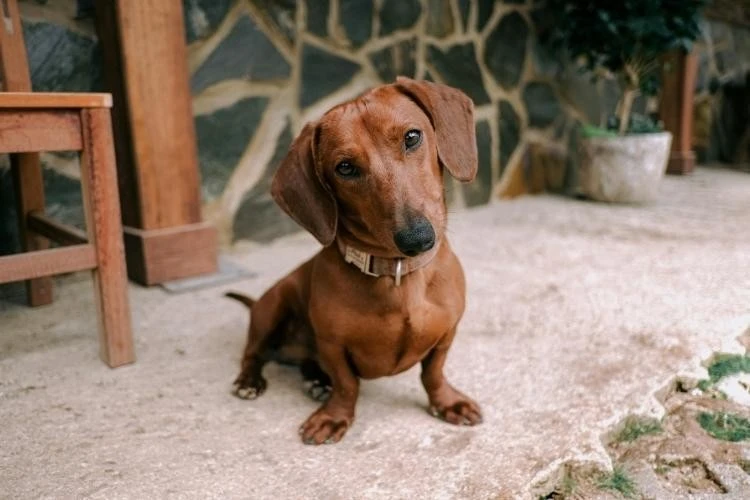
Image by Duy Nod from Pexels on Canva
Dachshund Temperament: A Small Dog With a Big Personality
A Dachshund's typical personality is affectionate, curious, playful, courageous, and independent. They form very strong bonds with their families and maintain the confidence and tenacity of working dogs. Many people love Dachshunds because they're:
Affectionate and Deeply Loyal
Dachshunds are likely to join in on most family activities. They can follow you while preparing breakfast, cuddle up to you on the sofa, or have their nose sticking out of the bedding while you're sleeping.
Others form a very special bond with their favorite person, but may also love other family members. Their loyalty makes them a pure delight for many owners who live with a Dachshund. They can be your little, attentive, kind, and loving best friend for life.
According to the American Kennel Club (AKC), it's also important to manage the close attachment and their endearing nature carefully. A Dachshund puppy that spends all waking hours beside someone might have problems when you leave them alone later. Gentle independence training should start early.
Intelligent, Curious, and Independent
Dachshunds learn household routines quickly. They notice where you store treats, recognize the sound of lifting the lead, and often predict when you’re about to leave.
But you don't always get instant obedience from intelligence. A Dachshund may respond to a scent trail, moving animal, or unexpected sounds more than a familiar cue. This selective listening isn't because of spite. It reflects a breed that developed in Germany to work with some independence.
The AKC notes that they were originally bred to be an independent hunter of dangerous prey. This is why they can be brave to the point of rashness, and a bit stubborn, but their endearing nature and unique look have won millions of pet parents around the globe.
Their problem-solving streak is a fun attribute for patient owners. They're clever little dogs who can be observant, inventive, and very funny, particularly when they want to get closer to a toy or get someone's attention to share a snack.
Courageous, Playful, and Sometimes Comical
Originally, Dachshunds were a working breed. Their bravery enabled them to hunt without constant control from a handler, finding prey in tight areas.
Today, Dachshunds carry on that fearless spirit. Some will explore new noises, squeeze in small spaces, or test out larger dogs. They require calm supervision around traffic, as well as around wildlife and unfamiliar animals, to avoid excesses in confidence.
They’re also playful. Many Dachshunds maintain mischievous, puppy-like behavior well into adulthood and may invent games using blankets, toys, or those carefully stolen socks.

Image by Damedeeso on Canva
Why the Sausage Dog Has Such a Distinctive Personality
Dachshunds are sometimes called the "sausage dog" because of their familiar long body and short legs, which weren’t developed simply for appearance. They were bred in Germany to track and confront animals below ground. In fact, the breed’s name translates to “badger dog.”
That work required an alert nose, bravery, digging skills, and independent decision-making. These characteristics still influence the behavior of Dachshunds today.
Their Hunting Instincts Still Influence Behavior
A Dachshund can get lost in a scent that you can't even smell. Once focused on a target, they may dig, start to pull on the leash, or chase an animal without listening to your voice. This is why many Dachshunds still chase small animals like squirrels and rabbits.
In the past, the larger dogs were also employed to hunt badgers and, in some instances, wild boar. While modern pets don't have to hunt, their prey drive, which is the instinct to see, chase, and perhaps capture moving animals, can be strong.
Secure garden fencing and inspect for low gaps; use a secure lead outside unenclosed gardens. Other places where you might find digging are flowerbeds, blankets, and soft furniture. Use scent games and supervised digging time to provide your dog with acceptable outlets for digging because the instinct won't go away.
Their Courage Can Become Overconfidence
Dachshunds are more confident about approaching other dogs than they’re socially aware. These little dogs may bark at or rush towards an animal several times their size.
Don't force your dog to greet everyone because it can leave them feeling trapped. Allow your Dachshund plenty of space to take in the situation, and once they're done, reward them for turning back toward you. Plan early socialization to provide good experiences, instead of forcing the puppy to meet everyone.
Breed Traits Don’t Define Every Dachshund
As far as dogs are concerned, genetics is an important factor, but it doesn’t dictate their entire future. Scientific studies of the large behavioral datasets have revealed significant differences amongst breeds, and also between individual dogs (Gnanadesikan et al., 2020; MacLean et al., 2019).
Early handling, health, learning, and environment influence adult behavior. A responsible breeder should pay attention to stable temperament as well as appearance and physical health. Ask how a litter has been raised and how they respond to gentle handling.
At HonestPet, we can connect you with well-socialized Dachshund puppies from verified breeders who adhere to our strict ethical standards. Every Dachshund puppy comes vet-checked and vaccinated, with a health guarantee, 30 days of pet insurance coverage, and ongoing training and veterinary support.
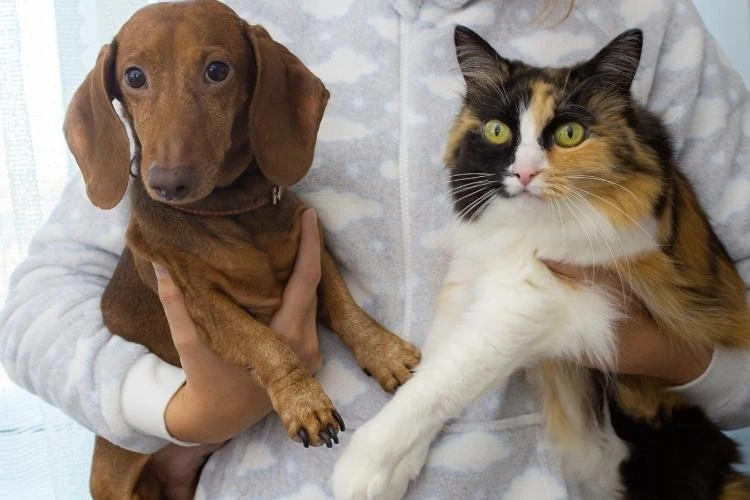
Image by Nadia Vasil'eva from Pexels on Canva
Dachshunds With Children, Other Dogs and Other Pets
While the dachshund can make a great family pet, they need appropriate supervision, handling, and introductions to maintain good relationships. Their small size doesn’t make them suitable for rough play.
Are Dachshunds Good with Children?
Dachshunds are very playful and will enjoy playing with calm kids, as well as attention and cuddling. Careless handling can be particularly dangerous because of the length of the breed's spine.
Teach children never to lift your dog without adult help to prevent back injuries. They shouldn't pull their floppy ears, pick up their tail, sit on a dog, or disturb them when eating or sleeping. Also, teach them to leave the Dachshund alone when they've had enough interaction.
Older children who know boundaries may be a better fit for this breed than very young ones. That said, all children should be supervised at all times by an adult when interacting with a dog, regardless of their age or breed.
How Do Dachshunds Behave around Other Dogs?
Dachshunds get along with most dogs, particularly when you introduce them gradually. But their bold nature can produce overly direct greetings, which may result in an inappropriate welcome.
Begin in a quiet, neutral place where the dogs are on leash. Give brief periods of quiet exploration, then separate them if they're becoming tense or overexcited.
Not all Dachshunds are the same, and some won't enjoy a crowded dog park. Choose playmates based on temperaments and play style, not size. A gentle larger dog can be a safer playmate than a small dog who enjoys forceful wrestling.
Can Dachshunds Live with Cats?
Some Dachshunds can live peacefully with cats. When Dachshund puppies are raised around a calm, dog-confident cat, they may adjust particularly well, but compatibility varies.
Use gates and leads during early introductions. Give the cat high escape routes and separate resting areas. Reward your Dachshund for looking away from the cat or remaining relaxed.
Don’t allow chasing to become a game. Each successful chase can make the behavior more rewarding and harder to interrupt.
What About Rabbits and Other Small Animals?
Dachshunds were originally bred to pursue prey, which creates a greater risk around rabbits, guinea pigs, rodents, and similar animals. Even a Dachshund who appears calm during one meeting may react differently when the small pet runs. Use secure, physical separation and don't rely on supervision or assume that repeated introductions will overcome their hunting instinct.
| Household Member | Likely Strengths | Care Needed |
|---|---|---|
| Children | Playful and affectionate | Gentle handling and adult supervision |
| Dogs | Often social after suitable introductions | Manage bold or vocal greetings |
| Cats | Cohabitation may be possible | Introduce gradually and prevent chasing |
| Small pets | Curiosity and scent interest | Secure, permanent separation |
Image by SolStock from Getty Images Signature on Canva
Common Challenges and Warning Signs in Dachshund Behavior
While there are plenty of reasons to love Dachshunds, they aren't necessarily the easiest dogs to live with for an unprepared household. Identifying the following potential issues can help you set the foundation for good behavior from the start.
Stubbornness and Selective Listening
Dachshunds move to an "either/or" decision when it comes to reward versus what else they've been attracted to. When a rabbit has crossed the garden, a dry biscuit treat may not be of much use. This is why you need to begin training in a quiet area and choose treats that your dog really loves. Give one cue and help your dog succeed. If you tell them to come, for instance, help them succeed, instead of repeating the word several times.
Set appropriate expectations for your dog's age. A puppy in a hectic park won’t be as focused as an adult dog practicing in the kitchen.
Barking at Sounds, Visitors and Passers-By
Dachshunds can make good watchdogs as they’re quick to pick up on movement and strange noises. Unfortunately, when alert barking becomes a daily habit, it can turn into excessive barking.
Screen out noisy windows with curtains or privacy film. When the doorbell rings, go to the mat and give positive reinforcement for quiet moments. Shouting often makes it noisier and doesn't teach the desired behavior.
While a Dachshund may live well in an apartment, potential owners should consider thin walls, foot traffic near the home, and their tolerance for barking.
House-Training Difficulties
Dachshunds may take a longer time to house train than others. Puppies have a small bladder, and many adults don’t like to urinate in cold or wet conditions.
Get your puppy outside after waking up, feeding, drinking and playing and before lying down to sleep. Reward them right after they finish. Avoid punishing accidents, as fear can lead to hidden toileting, which can make cleaning even more difficult.
If your dog was previously reliable and suddenly starts having accidents, they'll need veterinary attention. They may be suffering from urinary, digestive, anxiety, or pain-related problems.
Separation-Related Behavior
Dachshunds like to be in the company of their favorite people and can suffer from separation anxiety if their alone time is too abrupt. Start by gradually increasing alone time as your puppy remains relaxed, then add more time when they get used to it without distress.
Some signs of distress are excessive barking, destructive behavior, escaping, toileting, and not being able to settle. The most serious cases require the help of a veterinarian or a well-trained behavior professional.
Behavioral Warning Signs that Need Professional Support
Seek advice when you notice persistent fear, growling during routine handling, snapping, guarding, or panic when the dog is alone. Sudden aggression or a marked personality change also requires investigation.
Reluctance to move, yelping, weakness, or sensitivity to touch may indicate pain rather than stubbornness. Dachshunds are prone to intervertebral disc disease (IVDD), which affects the cushioning discs between the bones of the spine.
Pain often manifests as bad behavior. A Dachshund who suddenly avoids movement, resists touch, or becomes irritable needs prompt veterinary assessment.
Training, Exercise and Mental Stimulation for a Happy Dachshund
Dachshunds respond best to consistent, patient, reward-based training. Physical punishment or intimidation can create fear without teaching the dog what to do instead.
Use Short, Rewarding Training Sessions
Aim for training sessions of about five to ten minutes. Several short practices are usually more productive than one long drill.
Use food, toys, scent games, or access to an activity your dog enjoys, and end while the puppy is still interested. Everyone in the household should use the same cues and follow the same rules.
Practice recall indoors before moving to a garden and then a secure outdoor space. Use a long line around distractions. A Dachshund with a strong scent in their nose shouldn’t be trusted off lead simply because recall works at home.
Make House Training Predictable
1. Take your puppy to the same toilet area.
2. Use one consistent cue.
3. Wait quietly without distracting them.
4. Reward them immediately after they finish.
5. Supervise indoors or use a suitable puppy area.
6. Clean accidents with an enzymatic cleaner.
Consistency matters more than punishment. Read our new puppy quick start guide and tips and tricks for raising a new puppy for practical insights, including potty and basic obedience training, socialization, and strategies for the initial adjustment period.
Provide Safe Daily Exercise
A healthy Dachshund adult often benefits from at least 30 minutes of age-appropriate activity each day, although needs vary. Two manageable daily walks may suit the breed better than one long outing. Give your dog time to sniff. Scent investigation provides mental stimulation and allows a natural behavior, so success shouldn’t be measured only by distance.
Regular exercise also supports weight management. Extra body weight places more strain on the back and joints. Puppies need shorter, age-appropriate outings rather than forced mileage.
Protect Your Dachshund's Long Spine During Activity
Discourage jumping from sofas and beds. Don't use the stairs repeatedly; add gates where needed and consider stable ramps with a non-slip surface.
When lifting your dog, support both the chest and hindquarters so the body stays level. Avoid high-impact games involving uncontrolled twisting or repeated leaps.
These precautions can reduce avoidable strain, but no home setup can guarantee that a Dachshund won’t develop IVDD. Speak to your veterinarian about safe activity based on your dog's body condition and any warning signs.
Encourage Mental Enrichment Activities
Puzzle feeders, snuffle mats, treat searches and short scent trails give a Dachshund’s nose useful work. “Find it” games, toy rotation, calm chewing and reward-based trick training can also prevent boredom. Mental work doesn’t replace companionship, daily walks or training. It forms one part of a balanced routine.
Do Size and Coat Type Affect Dachshund Personality?
Dachshunds come in miniature and standard sizes, with three coat types: smooth, longhaired, and wirehaired. However, these physical differences don’t guarantee a particular personality.
Miniature Versus Standard Dachshunds: What's the Difference?
Miniature and standard Dachshunds share the breed’s core tendencies, including affection, alertness, courage, and independence. However, Miniature Dachshunds are smaller, calmer, and easier to handle than Standard Dachshunds, which are larger and more confident.
That said, individual dogs aren't always calmer or more confident. The family line, early socialization, health, and personal experience influence the personality of an individual dog, not the size or breed alone. If possible, meet the individual puppy and learn about the parents’ behavior.
Smooth, Longhaired and Wirehaired Impressions
Some owners feel longhaired Dachshunds are calmer, while wirehaired dogs are a little more terrier-like, but these are broad impressions rather than reliable rules. Smooth-coated Dachshunds can be just as affectionate or determined as either of the other coat varieties.
Don’t choose a coat type solely because you expect a certain temperament. The biggest difference is their grooming requirements. Smooth-coated dogs need minimal care, while longhaired Dachshunds benefit from daily brushing to help prevent tangles.
Dachshund Grooming Needs
Dachshunds are generally moderate shedders. Smooth-coated dogs generally need a weekly wipe-down or brushing. Longhaired Dachshunds need more frequent brushing, sometimes daily, to prevent tangles around the ears, chest and little legs.
Wirehaired Dachshunds need regular brushing and may require occasional specialist hand-stripping. All three coat types need nail trimming, ear cleaning and bathing every four to six weeks or when dirty. Their drop ears can trap moisture, so regular checks can help you notice irritation or ear infections early.
Is the Dachshund Personality Right for Your Home?
Dachshunds adapt to many homes when you understand their needs. The right owner appreciates their devotion without expecting effortless obedience.
A Dachshund may be a good fit for your home if you:
- ●Want a loving, involved companion.
- ●Enjoy a playful dog with a big personality.
- ●Can provide patient, reward-based training.
- ●Are prepared to manage barking and prey-driven behavior.
- ●Can offer daily walks, scent games, and companionship.
- ●Can protect their long backs from unsafe jumping.
- ●Accept that reliable house training may take time.
Consider other popular breeds if you
- ●Want a naturally quiet dog.
- ●Expect immediate off-lead reliability.
- ●Live with other small pets and your home can’t separate them safely.
- ●Live with young children, who are likely to handle the dog roughly.
- ●Want a highly compliant dog with minimal training effort.
Breed tendencies can narrow your search, but the individual puppy still matters. At HonestPet, you can arrange a live video call, ask questions, and get to know a puppy before making a decision. Our verified breeder network, health records, and ongoing support provide peace of mind.
Frequently Asked Questions
Do Dachshunds Bark a Lot?
Yes, many Dachshunds are naturally vocal and often bark at unfamiliar sounds, visitors, or movement outside. Early, reward-based training can help reduce excessive barking, but you shouldn't expect them to be completely quiet. If you're considering apartment living, think about whether you can manage their alert nature with consistent training.
Are Dachshunds Stubborn or Easy to Train?
Dachshunds are intelligent but independent, so they often like to make their own decisions. Their strong prey drive can also distract them when they spot squirrels or rabbits. That said, they're very capable learners who can learn through short, positive training sessions with high-value rewards. But they may need more patience than most other breeds.
Can I Leave Dachshunds Alone?
Dachshunds form close bonds with their families and don't enjoy long periods of alone time. Build independence gradually from puppyhood to help prevent separation-related behaviors. If your dog shows persistent barking, destructive behavior, or panic when you leave them alone, seek advice from your veterinarian or a qualified behavior professional.
Is a Miniature Dachshund's Temperament Different From Standard Dachshunds?
Miniature and standard Dachshunds share the same core personality traits, including loyalty, courage, and independence. While some owners notice a meaningful difference between individual dogs, size alone doesn't predict temperament. The Dachshund Club of America and other breed experts like the AKC agree that genetics, socialization, and upbringing have a greater influence on your dog's personality.
What's a Dachshund's Life Expectancy?
Dachshunds typically live between 12 and 16 years, making them one of the most popular breeds for families seeking a long-term companion. A healthy weight, regular veterinary care, appropriate exercise, and protecting their long spine can support a longer, healthier life.
Which Behavioral and Spinal Warning Signs Require Help?
Contact your veterinarian if your Dachshund suddenly becomes reluctant to move, cries out when touched, develops weakness, or shows a sudden change in behavior. These signs may indicate pain, including intervertebral disc disease (IVDD), rather than stubbornness. Prompt treatment gives your dog the best chance of recovery.
Conclusion
Dachshunds are affectionate, entertaining little dogs with courage that often exceeds their size. They can form strong bonds, fill your home with playful energy and become devoted companions.
They’re also independent, vocal and highly interested in scent. A happy Dachshund needs consistent training, thoughtful socialization, regular exercise and safe outlets for natural behavior. You must also protect the breed’s long spine through careful lifting, sensible weight management and limits on jumping.
Because many Dachshunds live well into their teens, choosing this breed means preparing for years of training, care and close companionship. It’s a serious commitment, but the right match can bring a great deal of love and happiness into your home.
If you think this loyal little hound is a good fit for your family, get yourself a healthy, well-bred Dachshund puppy from HonestPet, where you can learn about each puppy, their care, and the responsible breeders before taking the next step.
References
- ●American Kennel Club. (n.d.). Dachshund dog breed information.
- ●American Kennel Club. (n.d.). Is a Dachshund right for you?
- ●Dachshund Club of America. (n.d.). Breed standard.
- ●Gnanadesikan, G.E., Hare, B., Snyder-Mackler, N., & MacLean, E.L. (2020). "Estimating the heritability of cognitive traits across dog breeds..." Animal Cognition, 23(5), 953-964.
- ●MacLean, E.L., Snyder-Mackler, N., vonHoldt, B.M., & Serpell, J.A. (2019). "Highly heritable and functionally relevant breed differences in dog behavior." Proceedings of the Royal Society B, 286(1912), 20190716.
Ready to Get Started?
Find your perfect puppy and start your journey today!