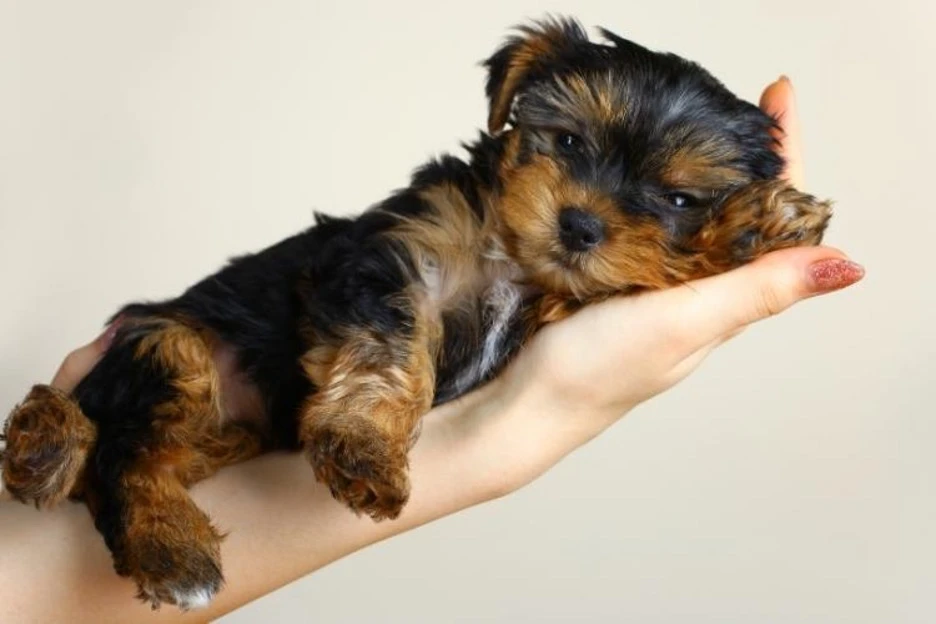

Bringing a new puppy home is exciting. You'll definitely fall in love with those soft paws and curious eyes. However, cleaning up after accidents, waking up at 3 a.m. with your puppy, and adjusting to a new routine can quickly feel overwhelming.
Most early puppy struggles get easier with structure, patience, and clear expectations. Proper training can help your puppy build confidence, trust, and healthy habits from day one. This guide offers practical tips and tricks for raising a puppy, including potty and basic obedience training, socialization, and strategies for the initial adjustment period.
Key Takeaways
- ●Build a consistent daily routine with regular potty breaks, naps, meals, playtime, and training.
- ●Use positive reinforcement to reward good behavior and help your puppy learn faster.
- ●Start socialization early with calm, safe exposure to new sights, sounds, people, and environments.
- ●Keep crate training gradual and positive to help your puppy feel safe and secure.
- ●Redirect unwanted behaviors, such as biting and chewing, rather than using punishment.
- ●Remain patient during the adjustment period; confidence, trust, and good habits take time to build.
- ●Focus on small daily wins to help your puppy grow into a happy, well-mannered companion.
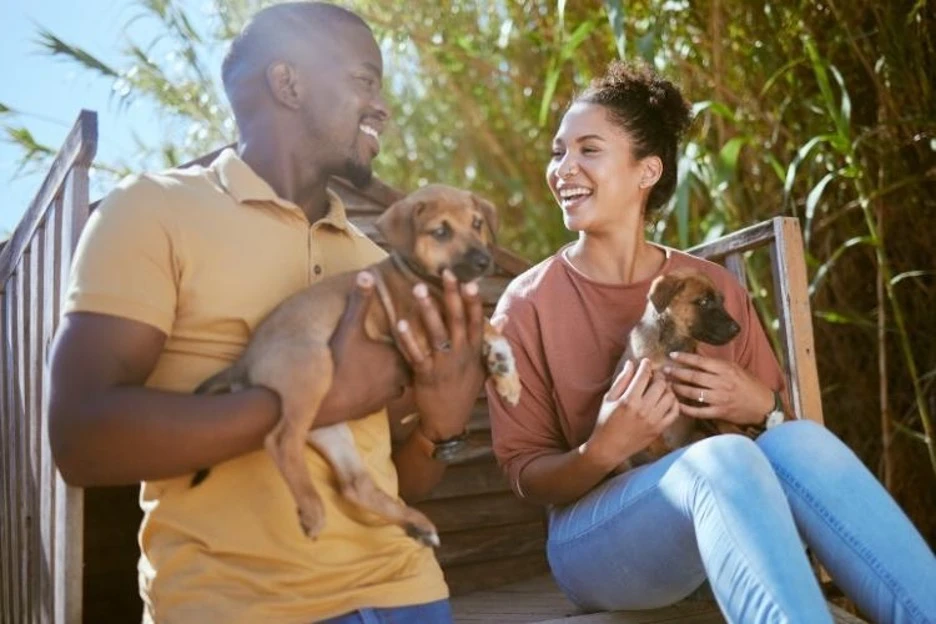
Image by PeopleImages from Getty Images on Canva
Start By Choosing the Right Puppy for Your Lifestyle
The right puppy should fit your home and schedule, and be a good fit for your energy levels and lifestyle. While small breeds work well in apartments and family homes, every puppy has different care, exercise, and training needs. Here’s a closer look at some of our popular companion breeds:
| Breed | Personality Traits | Good Fit For | Grooming & Energy Level |
|---|---|---|---|
| Cavapoo | Affectionate, playful, people-focused. | Families, first-time owners, homes with children. | Moderate grooming needs with a friendly, adaptable energy level. |
| Miniature Toy Poodle | Intelligent, easy-to-train, eager to learn. | Active owners, allergy-conscious homes, training-focused families. | High grooming needs with high mental stimulation requirements. |
| Dachshund | Curious, playful, loyal. | Smaller homes, singles, couples, experienced owners. | Moderate energy with a bold, independent personality. |
| Chihuahua | Spirited, alert, deeply loyal. | Apartment living, one-person households, quieter homes. | Low to moderate grooming needs with a confident, energetic temperament. |
| Shih Tzu | Sweet, calm, companionable. | Apartments, calmer households, seniors. | Regular grooming with a relaxed energy level. |
| Pomeranian | Bright, fluffy, outgoing. | Owners who enjoy training and social interaction. | High grooming needs with lively energy. |
| Yorkshire Terrier | Loving, confident, adaptable. | Small homes, city living, attentive owners. | Regular grooming with playful bursts of energy. |
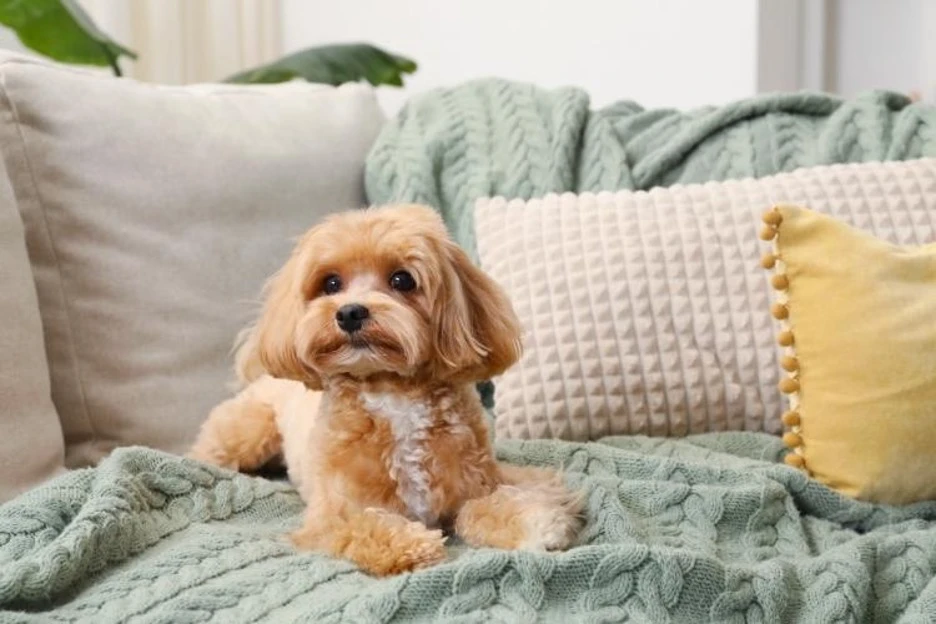
Image by Africa Images on Canva
What to Expect During Your Puppy’s First Week Home
Your first week with a puppy can be overwhelming, even when you’ve prepared well. It's normally a significant change for a young puppy who has just left its mother, littermates, familiar smells, and regular routine. You may notice whining, clinginess, restless sleep, accidents, or a puppy who seems confident one hour and nervous the next.
You may also feel guilt, frustration, or anxiety. This is often called the puppy blues, and it means you’re adjusting too. Normal isolation distress often shows up early as your puppy learns that being alone for short periods is safe. This is why you should start gently. Short periods of calm alone time are better than leaving your dog alone for several hours.
Helping Your Puppy Feel Safe
Your puppy will need a quiet place to sleep, predictable meals, gentle handling, and time to settle and decompress. Keep introductions calm during the first week. Family members can be excited, but too much noise or attention can overwhelm young puppies.
For the first few nights, keep the crate near your bed so the puppy can hear you breathing and feel less alone. Add safe toys and soft bedding if your puppy won’t chew them, and keep the space positive. Baby gates are super helpful for limiting access without isolating your puppy.
Early experiences shape a puppy’s confidence, behavior, and ability to adjust to new environments later in life. That’s why you should choose a puppy from responsible, ethical breeders. Proper handling, gentle socialization, and attentive care often prepare puppies for everyday life.
At HonestPet, we work with responsible breeders who follow our strict ethical standards. They raise puppies with proper early socialization and compassionate care, leading to healthy emotional development.
Creating a Daily Puppy Routine
Puppies thrive on structure. A consistent routine helps your dog feel secure and makes training easier. Here’s an example of a simple first-week schedule:
| Time | What to Do |
|---|---|
| Morning | Potty break, breakfast, short play, nap. |
| Midday | Potty, training, calm chew time, nap. |
| Afternoon | Potty, socialization practice, food, rest. |
| Evening | Play, potty, short training, quiet time. |
| Bedtime | Final potty break, crate, lights out. |
Keep the routine flexible, but repeat the same rhythm daily. Your puppy will learn faster when life feels predictable.
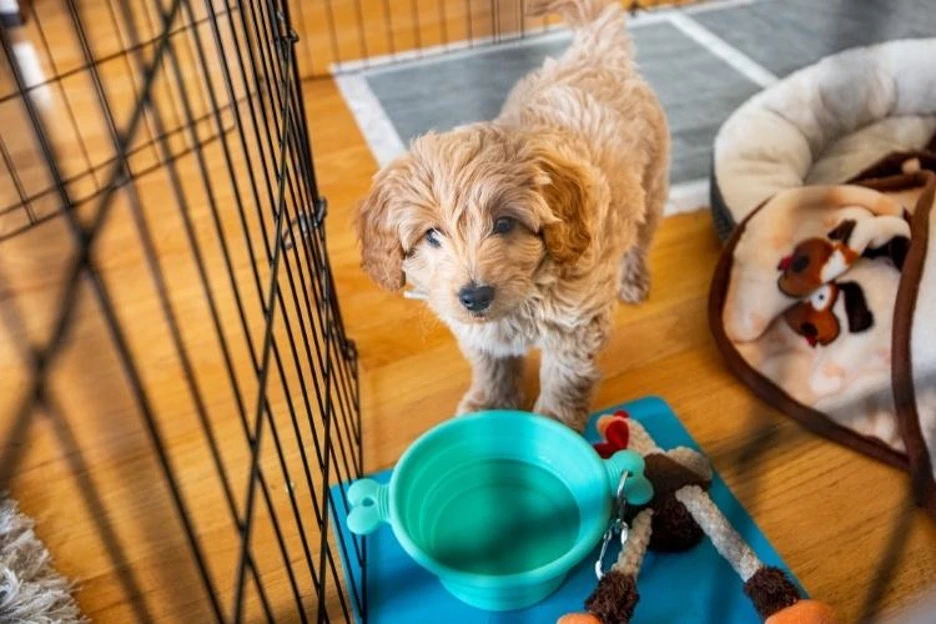
Image by Spiderplay from Getty Images Signature in Canva
Potty and House Training Basics
Potty training works through timing, repetition, and reward. Your puppy learns, “When I go in this spot, good things happen.” Take your puppy outside often, especially after sleeping, eating, drinking, and playing. Most puppies can’t hold their bladder for long, and accidents happen when you expect too much too soon.
Choose the same spot outside when possible. Stand quietly or give a verbal cue, depending on your dog. Wait, then reward your puppy immediately when they go. Use a treat, praise, or both. You have to reward them right away so your puppy learns the connection.
Signs Your Puppy Needs to Go
Watch out for small changes in behavior. Your puppy may sniff the floor, circle, suddenly wander away, squat, whine, or stop playing. Some puppies head toward the door, but many don’t know how to ask to go out yet.
This is why you should pay attention. If you catch these signs early, it's easier to prevent accidents. Then, be sure to reward with praise and acknowledge that the puppy communicated with you.
Best Potty Training Routine
A good potty training routine should include the following breaks:
- ●After waking
- ●After meals
- ●After play
- ●After naps
- ●Before crate time
- ●Before bed
During the first week, take your puppy out more often. Then gradually decrease the number of breaks as your puppy learns and gains bladder control. If you use puppy pads or pee pads, keep them in one consistent area. They can help in apartments, but may also slow outdoor house training if your end goal is outside-only potty habits. Placing pee pads near the door to the outside can help make the connection for some puppies.
What to Do About Accidents
Punishing a puppy for accidents only creates fear, not understanding. Your puppy won’t understand punishment, especially when the correction comes after the accident has already happened. Puppies learn best through immediate guidance and positive reinforcement.
If you catch your puppy mid-accident, stay calm, interrupt gently, and take them outside. Once the puppy is outside and finishes pottying in the desired location, reward with all the praise to help them make the connection. Then, clean up inside thoroughly later with an enzyme cleaner. Accidents happen, and your job is to adjust the routine so they happen less often. The goal is to set your puppy up for success, not failure.
Common House Training Mistakes to Avoid
The biggest mistakes are giving too much freedom, waiting too long between potty breaks, changing the daily schedule, and missing early signals.
Use baby gates, a crate, or a pen to manage your puppy’s space. As your puppy learns and grows, you'll give them more freedom. For tips, training advice, and extra support during those early days, read our puppy quick start guide.
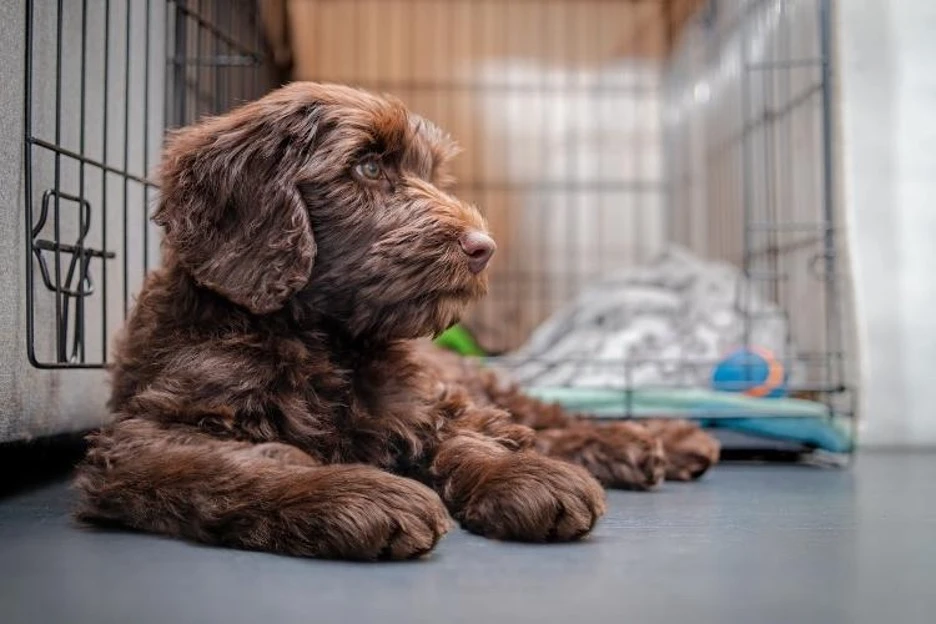
Image by Petra Richli from Getty Images on Canva
Crate Training Without Stress
Crate training gives your puppy a safe, quiet place to rest. It also supports house training because most puppies naturally avoid soiling their sleeping area. A crate helps with sleep, travel, vet visits, and calm downtime. It should feel like a bedroom, not a timeout corner.
Making the Crate Comfortable
A positive crate setup helps your puppy feel safe, relaxed, and secure from the start. Here's how to make the crate feel comfortable for your pup:
- ●Place the crate in a calm area where your puppy still feels included in family life.
- ●Add comfortable bedding and a safe chew toy.
- ●Create positive associations by feeding meals near the crate and tossing treats inside.
- ●Let your puppy explore the crate freely without pressure or forcing them inside.
- ●Use a verbal cue like “yes” when your puppy enters the crate, then reward them immediately.
- ●Start with short crate sessions by closing the door for a few seconds at a time.
- ●Reward calm behavior before opening the door again.
- ●Build crate time gradually with patience throughout the process.
Common Crate Training Mistakes
Here are some of the common mistakes to avoid:
- ●Using the crate as punishment
- ●Leaving young puppies crated too long without breaks
- ●Rushing crate training too quickly
- ●Ignoring signs that your puppy feels scared or overtired
- ●Reacting negatively when your puppy whines or barks
- ●Expecting your puppy to adjust immediately instead of building trust gradually
How Long Can Puppies Stay in a Crate?
A young puppy needs frequent potty breaks. Many puppy owners use the puppy’s age in months plus 1 as a rough guide for bladder training, but every dog is different. An 8-week-old puppy needs much more support than an adult dog. During the day, keep crate sessions short and include plenty of naps, play, potty breaks, and social interaction.
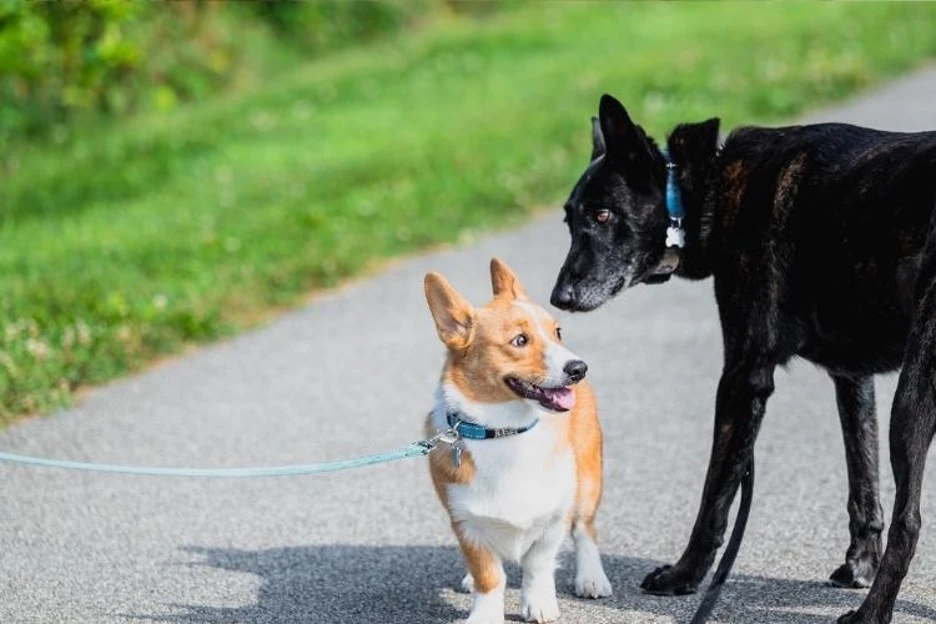
Image by Chris F from Pexels on Canva
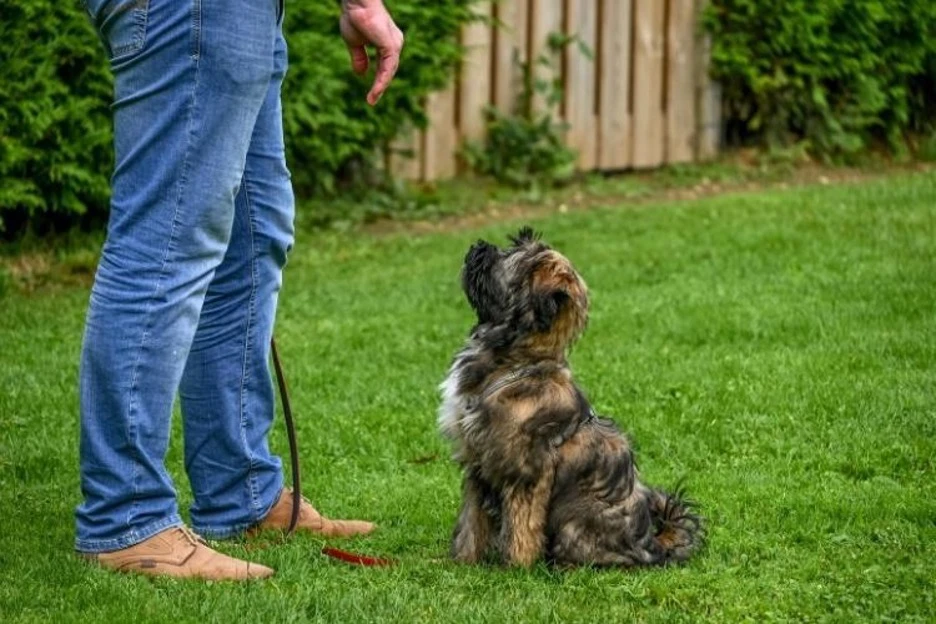
Image by Lorna Pauli from Pexels on Canva
Best Puppy Training Techniques That Actually Work
Positive Reinforcement Training
Positive reinforcement means rewarding behavior you want to see again. You can use food, praise, toys, or access to something your puppy enjoys as rewards.
Timing is very important here. Reward your puppy right after the behavior. If your puppy sits, mark it with yes or a clicker, then give them the treat. This clear communication helps your puppy learn faster.
Tasty treats and chews are good for new or distracting situations. Use tiny pieces so your puppy can eat treats quickly without getting too full.
Luring vs Capturing Behaviors
Luring means using a treat or toy to guide your puppy into position. For example, hold a treat near your puppy’s nose and slowly move it upward. As their head follows, their bottom often lowers into a sit. Mark this position and reward.
Capturing means rewarding a behavior your puppy does naturally. If your puppy lies down calmly on their bed, mark it and give a treat. Over time, your puppy learns that calm behavior pays.
Teaching Basic Commands
Start training right away, but keep sessions short. Puppies have short attention spans, so two to five minutes is enough.
| Skill | Why It Helps | Simple First Step |
|---|---|---|
| Sit | Builds focus and good manners. | Lure with a treat, mark, reward. |
| Stay | Teaches patience. | Reward one second of stillness. |
| Come | Supports safety. | Call happily, reward every time. |
| Leave it | Prevents grabbing unsafe items. | Reward when your puppy looks away. |
| Crate | Builds calm independence. | Reward entering the crate. |
Basic obedience training should be fun. If your puppy gets frustrated, end on an easy win.
Consistency Matters for Puppy Owners
Everyone in the house should use the same commands and rules. If one person allows jumping and another corrects it, your puppy gets confused. Choose simple words, teach them the same way each time, and reward similar behavior. This helps your puppy learn life skills that carry into adulthood.
If you feel stuck, look for training classes or help from a dog trainer. Focus on learning how to train dogs with positive methods that emphasize reward, trust, and clear guidance.
Training Games and Mental Stimulation
Mental exercise can tire a puppy in a healthy way. Try puzzle toys, snuffle mats, treat scatters, hide-and-seek, or short clicker training sessions.
Rotate toys every few days to keep them interesting. Durable chew toys are also helpful during teething, especially when your puppy wants to chew shoes, furniture, or hands.
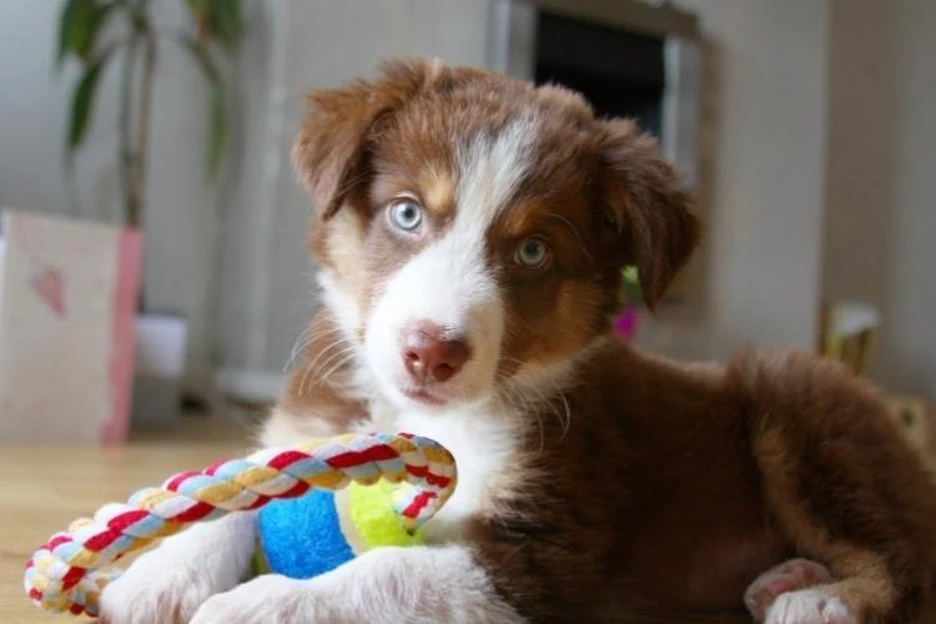
Image by Scotty1987 from Getty Images on Canva
Managing Common Puppy Behaviors
Puppy Biting and Chewing
Puppy biting is normal, but it still needs guidance. Young puppies explore with their mouths, and teething can make chewing more intense.
Redirect biting to toys. If your puppy bites your hand, calmly pause play and offer a chew toy. Reward them when they choose the toy instead. Avoid yelling or rough wrestling, as this can make biting more exciting.
Zoomies and Hyperactivity
Zoomies often mean your puppy is tired, overstimulated, or full of unused energy. Puppies need significant downtime, around 18-20 hours of sleep per day. If your puppy gets wild every evening, add a nap earlier in the day and offer calm enrichment like a chew or puzzle toy.
Barking and Attention-Seeking
Puppies repeat behavior that works. If barking gets attention every time, barking becomes the strategy. Reward quiet moments. Teach your puppy that calm behavior earns attention, treats, and access to fun things. If barking comes from fear, reduce the trigger. Then, you can try to build their confidence slowly.
For example, if your puppy barks whenever you use the vacuum, try not to vacuum around them, especially at the beginning. Put them in a room, far away from the noise, and then introduce them to the vacuum slowly.
Preventing Separation Anxiety
Practice short departures before you need to leave for long periods. Step out for a few seconds and come back in. See how your dog reacts. You can gradually step out for longer periods of time.
Avoid dramatic greetings and goodbyes. This will teach your puppy that leaving and returning are normal parts of life.
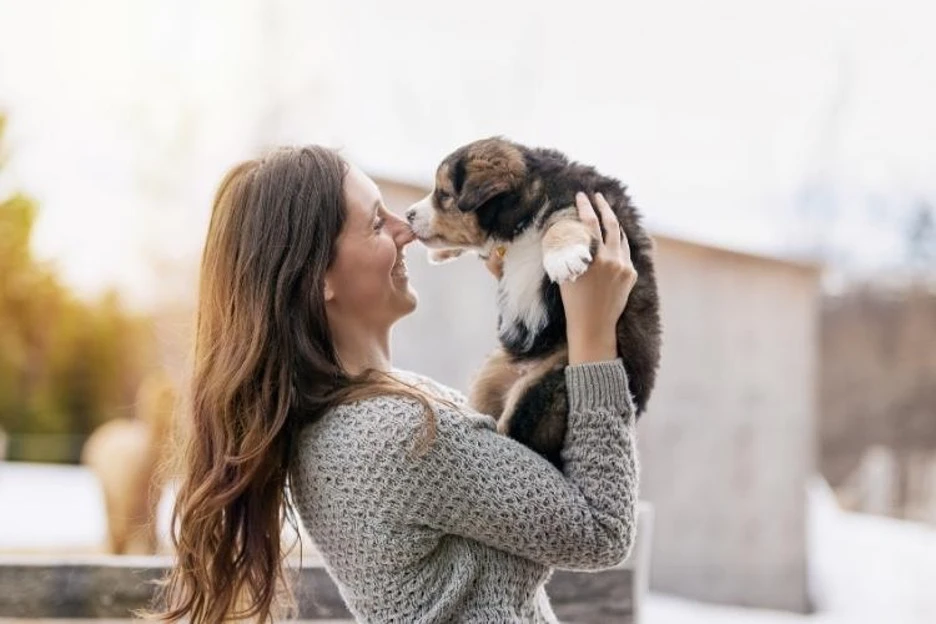
Image by Lisegagne from Getty Images Signature
Puppy Care Tips for Long-Term Success
Nutrition and Feeding Schedules
Feed your puppy consistently from the start. Sudden changes in food can upset their stomachs. Feed on a regular schedule and follow portion guidance from your vet or breeder. Small breeds need more frequent meals as young puppies, while larger puppies may follow a different routine.
Grooming and Handling Early
Start gentle grooming early, even if your puppy doesn’t need much yet. Touch paws, check ears, lift lips, and brush lightly. Reward each step.
This prepares your puppy for future nail trims, vet visits, and coat care. Breeds with soft curls or longer coats, such as Cavapoos, Poodles, Shih Tzus, Pomeranians, and Yorkshire Terriers, often need regular brushing and grooming from a young age.
Veterinary Care and Insurance
Ensure your puppy gets vaccinations, wellness visits, parasite prevention, and growth checks. Keep digital health records organized and ask your vet about the right schedule for your puppy.
At HonestPet, our puppies come with a final wellness vet check, vaccination records, a health guarantee, a microchip, and ongoing puppy training support. We provide nationwide delivery through certified pet transport professionals, so your puppy travels comfortably and safely every step of the way.
FAQs
How Long Does Puppy Potty Training Take?
Most puppies need several weeks to several months to become fully reliable with potty training. This depends on their age, breed, routine, and consistency. Start teaching good habits as soon as you bring your new dog home, taking them outside after sleeping, eating, and playtime. Use positive training methods and reward success with praise or high-value treats. Accidents are normal, but they should decrease gradually with patience and a consistent routine.
What Should I Do During My Puppy’s First Night Home?
Keep your puppy in a safe, comfortable crate close enough to hear you at night. Plan for a few potty breaks and expect some whining while your puppy adjusts to a completely new environment. Instead of reacting with frustration, stay calm and reassuring. The first night can be overwhelming, but structure and consistency will help your puppy feel safe and secure through all this change.
What Are Puppy Blues?
Puppy blues describe feelings of stress, exhaustion, regret, or overwhelm after bringing your new puppy home. New parents often feel frustrated during the first few weeks because of interrupted sleep, accidents, and sudden changes in routine. These feelings are normal and usually improve as you and your puppy settle into a routine. Give yourself time to adjust, ask for support when needed, and focus on small wins each day.
How Do I Stop My Puppy from Biting?
Redirect biting toward safe chew toys and pause play when your puppy bites too hard. Reward calm, gentle behavior with praise or treats so your puppy sees which behaviors earn attention. Most puppies bite during teething or when they feel overstimulated. Consistent routines, naps, and positive training can reduce biting over time.
How Can I Safely Socialize My Puppy Before Vaccinations?
Start socializing your puppy early by exposing them safely to new sights, sounds, people, and surfaces before 12 to 16 weeks of age. Carry your puppy through public spaces, practice short car rides, and invite calm visitors into your home. Focus on positive experiences instead of direct interaction with unfamiliar dogs. If your puppy seems nervous or overwhelmed, give them space and slow things down.
What’s the Best Breed for First-Time Puppy Owners?
The best breed depends on your lifestyle, schedule, and energy level. Affectionate companion breeds like Cavapoos, Miniature Toy Poodles, and Shih Tzus often work well for first-time owners because they’re social, intelligent, and people-focused. However, every puppy still needs training, structure, grooming, and daily attention to grow into a confident, well-adjusted companion.
Conclusion
Raising a puppy takes structure, compassion, and patience. The little things you repeat every day, such as potty breaks, crate comfort, calm socialization, short training sessions, and gentle handling, shape the adult dog your puppy will become.
You don’t have to get everything perfect. Focus on trust, clear routines, and rewarding the behavior you want to see again. With responsible guidance, loving care, and a steady routine, your puppy can grow into a confident, well-mannered companion.
Ready to Get Started?
Find your perfect puppy and start your journey today!