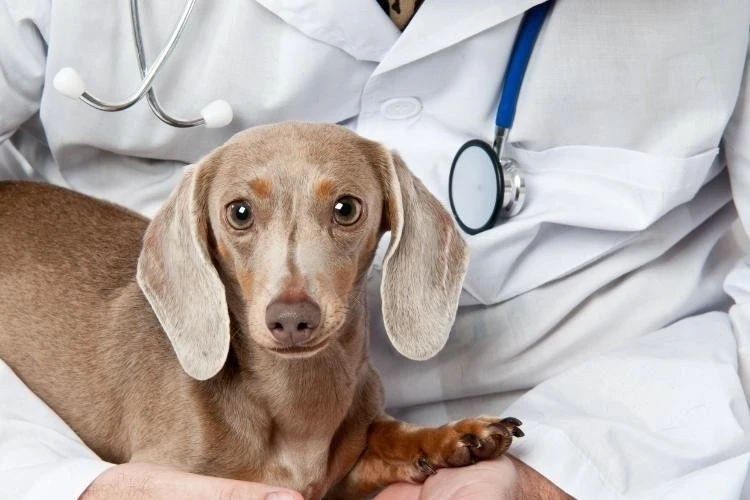

Dachshunds can bring a lot of love and personality to your home. They’re one of the most recognizable dog breeds today because of their expressive faces, short legs, and long bodies.
The unique anatomy can pose some Dachshund health concerns. Special care is required because their elongated, sensitive spine is easily affected, and even a small weight increase puts additional stress on the dog’s back and joints. Dachshunds may have dental diseases, digestive disorders, eye conditions, and kneecap problems.
Nevertheless, not all dogs will experience those difficulties. You can identify the early signs of these diseases based on your pet’s behavior, movements, posture, and eating habits. This guide describes the main symptoms, preventive measures, and the right time to visit a vet.
Key Takeaways
- ●Intervertebral disc disease (IVDD) is the most common health concern in Dachshunds, so learn the early warning signs and seek prompt veterinary care if symptoms appear.
- ●Maintain a healthy weight to reduce strain on your Dachshund's spine and joints and support lifelong mobility.
- ●Brush your Dachshund's teeth daily and schedule regular veterinary checkups to help prevent dental disease and identify health problems early.
- ●Watch for changes in your dog's movement, vision, appetite, skin, or behavior, and contact your vet if symptoms persist or worsen.
- ●Choose a responsible breeder who provides health records, veterinary documentation, and transparent information to give your puppy the healthiest possible start.

Image by Remains from Getty Images on Canva
Dachshund Health Problems That Deserve Special Attention
The body structure of a Dachshund impacts the way that weight and physical activity affect its spine and joints. Nevertheless, it doesn’t account for all health problems that Dachshunds might face. Age, genetics, accidents, physical activity, and weight are also contributing factors.
Their Long-Backed Body Structure
As stated by the University Federation for Animal Welfare (UFAW), Dachshunds suffer from the inherited form of dwarfism called chondrodystrophy, which makes their legs shorter. This inherited skeletal development also leads to premature wear of discs between the spinal bones.
These discs might become less flexible earlier than in many other breeds. Extra pounds, falls, poor handling, and repeated uncontrolled jumps will put additional stress on Dachshunds' spines, although jumping isn’t the only cause for all back problems in this breed. Proper weight and movement control are necessary to maintain a healthy spine without limiting your dog's activities.
Genetic Risk Doesn't Mean Diagnosis
Genetic predisposition isn’t a disease. Genetic traits increase the risk of certain health issues; however, every dog is unique. Learn what’s typical for your puppy in terms of its posture, appetite, movements, energy level, etc. When you know your dog's everyday habits, it'll be easier to identify even subtle changes.
If you're considering a Dachshund puppy, be prepared for breed-specific care, but don't assume that every Dachshund will experience serious health problems. Start with a healthy, well-socialized Dachshund puppy from ethical breeders and ask for health records.
At HonestPet, we work with verified breeders who adhere to our strict ethical standards to raise well-socialized Dachshund puppies. Every puppy comes vet-checked and vaccinated, with a health guarantee, 30 days of pet insurance coverage, a veterinary helpline, and lifetime training support. This gives you the peace of mind that comes with a healthy start with your pup.

Image by Terbe_rezso from Pixabay on Canva
Intervertebral Disc Disease and Other Dachshund Back Issues
Intervertebral disc disease (IVDD) is the most common Dachshund health problem owners hear about most often. The discs between the vertebrae act as cushions. When a disc degenerates, bulges, or ruptures, it can cause pain and may press against the spinal cord.
A study by Packer et al. (2016) found that Dachshunds have a much higher relative risk of IVDD than many breeds, identifying associations between IVDD and factors such as age, neuter status, activity level, and body condition. The study also established that some everyday factors, such as exercise and lifestyle variables, were linked with higher or lower odds of IVDD. This supports the idea that healthy weight and managed activity are important for Dachshund spinal health.
Signs of Intervertebral Disc Disease
The symptoms of IVDD appear gradually or very suddenly. Watch for:
- ●Crying out, trembling, or showing pain while moving.
- ●A hunched, stiff, or guarded posture.
- ●Reluctance to walk, jump, climb, or be picked up.
- ●Weak, wobbly, or crossing hind legs.
- ●Scuffed nails or paws turning under.
- ●Dragging one or both rear legs.
- ●Sudden loss of mobility.
- ●Loss of bladder or bowel control.
How Vets Manage IVDD
Veterinary professionals often assess the dog’s pain, reflexes, movement, and neurological function. They also may do imaging when needed to locate a damaged disc and measure the severity of spinal cord compression.
For mild cases, vets recommend managing it through restricted activity and prescribed medication, including appropriate pain relief or anti-inflammatory medication. Physical therapy may also become part of recovery under professional supervision.
More severe cases, particularly those involving declining mobility or paralysis, may require specialist assessment and surgery. Some dogs need surgical correction to relieve pressure on the spinal cord. This is why you need professional assessment first. Don't give your dog human medication or attempt spinal manipulation at home.
Everyday Habits for Dachshund Back-Care
Keep your Dachshund lean and provide regular, controlled exercise that supports muscle strength. Don't take your dog on sudden, intense weekend activity after several inactive days.
Reduce uncontrolled leaps from high beds or sofas. Secure ramps may help in frequently used areas, especially for puppies, seniors, or dogs with previous back problems. A barrier can also prevent access to steep stairs when you're not around to supervise them.
When lifting your dog, support both the chest and rear so the spine stays level. Use a well-fitted harness for walks. Focus on encouraging safe, steady activity while limiting avoidable strain.
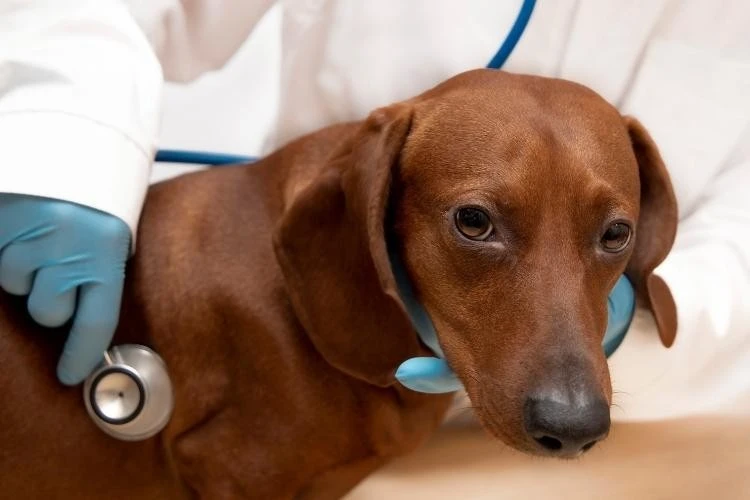
Image by Mariya Maslova from Getty Images on Canva
Other Common Health Issues in Dachshunds
Back problems deserve attention, but Dachshunds can also experience joint, dental, eye, skin, metabolic, and heart conditions. Spotting the common symptoms early can help you seek treatment before a problem leads to more serious complications.
Joint Problems, Luxating Patella, and Hip Dysplasia
A luxating patella occurs when the kneecap slips out of its normal groove. You may notice skipping, intermittent Dachshund limping, reluctance to exercise, or a dog briefly holding up one of the hind legs.
Veterinarians grade patellar luxation from 1 to 4 according to severity. Mild cases may only need monitoring, weight management, and veterinary guidance. Painful or severe cases may require surgery.
Hip dysplasia can also affect Dachshunds, although it isn’t as strongly associated with the breed as IVDD. The hip joint develops abnormally, which can lead to painful movement, chronic joint wear, and osteoarthritis. Signs can emerge while a dog is still young and may include stiffness, difficulty rising, reduced activity, or limping. A vet can advise whether medication, physical therapy, joint supplements, or surgery is appropriate.
Dental Disease
Small dogs often have crowded teeth, making Dachshunds especially vulnerable to plaque and periodontal disease. Plaque can harden into tartar and contribute to gum inflammation, infection, loose teeth, and tooth loss. Don't dismiss persistent bad breath as normal, as it's often an early clue. Other symptoms include red or bleeding gums, difficulty chewing, dropping food, or pawing at the mouth.
Brush your Dachshund’s teeth daily where possible, using dog-safe toothpaste. At routine veterinary appointments, your vet should include an examination of your Dachshund’s teeth and gums, and recommend professional cleaning when needed.
Eye Problems and Eye Issues
Progressive retinal atrophy is an inherited disease that gradually damages the retina and reduces vision. Cataracts and glaucoma may also affect the breed later in life.
Check your dog’s eyes for cloudiness, redness, discharge, squinting, or frequent face rubbing. Hesitation in dim light and bumping into familiar objects can also signal declining vision.
Eye trauma may lead to a painful corneal ulcer. Sudden cloudiness, severe squinting, marked redness, or an abrupt vision change warrants prompt veterinary care. Regular eye examinations can help identify some problems before they become severe.
Weight, Skin, Hormone, and Heart Concerns
- ●Obesity: Dachshunds experience added pressure on the spine, small legs, and joints due to extra weight. Regular body-condition checks and a balanced diet can help support effective weight management.
- ●Skin Allergies: Itching, redness, recurring trouble with your dog’s ears, and repeated skin infections need veterinary assessment.
- ●Cushing’s Disease: This metabolic disease may cause excessive thirst, frequent urination, increased appetite, a pot belly, thin skin, or hair loss.
- ●Hypothyroidism: Possible signs include lethargy, coat changes, and unexplained weight gain. Many factors can cause obesity, so you'll need veterinary assessment to determine the root cause.
- ●Diabetes: Increased thirst, urination, appetite changes, and unexplained weight changes should be checked. Untreated diabetes can lead to serious complications.
- ●Heart disease: Coughing, fainting, breathing changes, reduced stamina, or heart murmurs require veterinary evaluation.
These conditions don’t affect every Dachshund and aren’t equally common. A vet can help you identify the cause of persistent symptoms and recommend suitable treatment.

Image by Gyro from Getty Images on Canva
Supporting Dachshund Health From Puppyhood
Healthy habits should begin while Dachshund puppies are young. Consistent food portions, movement, dental care, and veterinary checkups create a strong routine that can support your dog throughout life.
A Practical Preventive-Care Checklist
- ●Feed measured portions suited to your dog’s age, activity, and veterinary guidance.
- ●Check body condition regularly. You should be able to feel the ribs without pressing through a thick layer of fat and see a waist from above.
- ●Provide controlled daily exercise to support muscle strength, mobility, and a healthy weight.
- ●Track treats as part of the daily food allowance to prevent gradual weight gain.
- ●Brush the teeth every day where possible.
- ●Check the eyes, skin, ears, movement, and behavior for changes.
- ●Schedule regular wellness visits and professional dental checks.
- ●Contact your vet when a change persists or worsens.
Also, read our puppy quick-start guide, which covers early routines such as nutrition, vaccinations, training, and settling into a new home. We also have another comprehensive guide on tips and tricks for raising a puppy, which you can read for more practical care advice.
What You Should Ask Before Bringing a Dachshund Puppy Home
Before bringing a puppy home, ask for:
- ●Veterinary examination records.
- ●Vaccination and deworming documentation.
- ●Relevant screening or genetic testing completed for the parents.
- ●Known family history of spinal, eye, seizure, or inherited disease.
- ●Details about the puppy’s socialization and living conditions.
- ●Clear answers to questions about health and daily care.
Frequently Asked Questions
How Common Is IVDD in Dachshunds?
Estimates from a study by Bergknut et al. (2012) suggest that up to 25% of Dachshunds may develop intervertebral disc disease during their lifetime. The breed is prone to early disc degeneration, but this figure represents a broad estimate rather than a prediction for one dog. Genetics, age, body condition, activity, and previous injuries can all influence individual risk.
How Long Can a Dachshund Live With IVDD?
Many Dachshunds live for years after an IVDD diagnosis and may still reach the breed’s typical lifespan. The outlook depends on the location and severity of the damaged disc, the dog’s neurological function, and how quickly treatment begins. Dogs that recover may need ongoing weight control, controlled exercise, home adjustments, and regular veterinary monitoring.
Can Dogs Naturally Recover From IVDD?
Some dogs with mild IVDD regain comfort and mobility without surgery, but they still need veterinary treatment. A vet may prescribe strict activity restriction, pain relief, and rehabilitation based on the dog’s condition. Don’t wait for IVDD to resolve on its own. Dogs prone to spinal disease can deteriorate quickly, particularly when weakness or loss of coordination develops.
At What Age Do Dachshunds Start Having Back Problems?
IVDD often becomes apparent between three and seven years of age, although Dachshunds are prone to disc degeneration earlier than many breeds. Puppies and older dogs can also develop spinal symptoms. As a general rule, contact your vet when you notice pain, stiffness, an altered gait, or reluctance to move. Limping in a puppy may also indicate a joint condition, including hip dysplasia, which can show signs before one year of age.
What’s the Main Cause of Death in Dachshunds?
Research doesn’t identify one universal leading cause of death for every Dachshund population. Age-related disease, cancer, neurological conditions, and heart problems may all contribute. Dachshunds are prone to certain cardiac conditions, including patent ductus arteriosus, a congenital defect. Some can also develop epilepsy. Regular checkups help your vet identify changes before they become more serious.
What’s the Life Expectancy of a Dachshund?
Dachshunds usually live for around 12-16 years, although individual lifespan varies. Genetics, responsible breeding, dental care, a healthy weight, regular exercise, and prompt treatment all influence long-term health. These affectionate, loyal companions can be great dogs for families prepared to give their backs, teeth, joints, and overall wellbeing consistent care.
How Often Should a Dachshund Visit the Veterinarian?
A healthy adult Dachshund should generally receive a wellness examination at least once a year. Puppies, senior dogs, and Dachshunds prone to recurring or chronic conditions may need more frequent visits. Your vet will recommend an individual schedule for vaccinations, parasite prevention, dental care, weight checks, and monitoring of any diagnosed health problem.
Conclusion
Awareness of Dachshund health concerns should support thoughtful care, not create panic. Many Dachshunds live long, active lives when their families protect their backs, maintain a lean body condition, and respond quickly to physical or behavioral changes.
Regular veterinary care, daily tooth brushing, controlled exercise, and careful weight management can make a meaningful difference. Choose a trusted source that provides clear health records and answers your questions openly. Ask about how the Dachshund puppies were raised and the care, health information, and ongoing support that comes with each puppy.
References
- ●Bergknut, N., Egenvall, A., Hagman, R., Muri, C., Nødtvedt, A., & Hazewinkel, H. A. W. (2012). Canine intervertebral disc disease: Occurrence by age, breed, and sex. Journal of Veterinary Internal Medicine, 26(4), 855–856.
- ●Packer, R. M. A., Brown, R., Jenkins, C. A., Bhatti, S. F. M., Mozol, M. A., Joffe, D. J., Marcellin-Little, D. J., West, P., & Volk, H. A. (2016). DachsLife 2015: An investigation of lifestyle associations with intervertebral disc disease in Dachshunds. PLOS ONE, 11(11), e0165476.
- ●University Federation for Animal Welfare. (n.d.). Dachshund - Intervertebral disc disease. UFAW.
Ready to Get Started?
Find your perfect puppy and start your journey today!