
Miniature Poodles require a balanced diet for good health. What they eat supports continuous energy, a healthy weight, easy digestion, and their characteristic soft, curly coat. However, no dog's diet is perfect. Puppy, adult, and senior dogs require different types of nutrition to stay healthy. Feed your dog based on their activity level, allergies, stomach problems, and their weight.
As a new pet parent, finding the best dog food for your furry companion will provide the peace of mind for the long run. This guide focuses on the most nutritious foods for Miniature Poodles, nutrients to consider, ingredients to avoid, and how to choose the right diet for your Poodle.
Key Takeaways
- ●The best dog food for Miniature Poodles is a complete, balanced diet with high-quality animal protein.
- ●Choose food based on a dog's age, size, and activity level.
- ●Promote good digestion, skin, coat, and joint health with good ingredients.
- ●Don't change to grain-free diets unless advised by a veterinarian.
- ●Adjust to new food gradually over 7-10 days, and consult a veterinarian if your dog has persistent gastrointestinal issues or other health problems.
Image by KevinDerrick from Getty Images on Canva
So, What Makes the Best Food for Miniature Poodles?
The best food for Miniature Poodles is a complete and balanced diet. The Association of American Feed Control Officials (AAFCO) defines complete as food that contains all the nutrients a dog requires, and balanced as food with the nutrients in proper ratios for your dog's life stage.
Ingredients to Look For
Check the packaging for a nutritional adequacy statement that clarifies if the food is suitable for your dog's life stage, for instance, growth (for puppies) or adult maintenance (for mature dogs). The statement must prominently indicate the food's use for growth, adult maintenance, senior dogs, or all life stages. Look for:
- ●Named Animal Protein: Chicken, salmon, turkey, beef, or lamb should be the first ingredient to maintain lean muscle mass. Don't buy products with vague terms like meat by-products.
- ●Small-Breed Nutrient Density: Miniature Poodles, like all small dogs, burn more calories per pound than large breeds. Look for small-breed formulas that provide higher calorie density to support their fast metabolisms and smaller kibble pieces. These are easy to chew and portion, and reduce the high risk of dental disease in smaller breeds.
- ●Joint Health and Eye Support: Miniature Poodles are prone to luxating patellas (loose kneecaps) and eye issues. If your pup has any of these issues, feed them foods that contain glucosamine, chondroitin, and Vitamin A.
- ●Healthy Fats and Fiber: Miniature Poodles need Omega-3 and Omega-6 fatty acids (such as salmon oil) to support their thick coats, as well as natural antioxidants (Vitamins E and C) to bolster their immune systems.
- ●Targeted Protections: If your pup has an upset tummy, you may want to feed them foods with prebiotics, probiotics, and easily digestible carbs like oats or brown rice to aid digestion.
- ●Brand Credibility: Only buy dog food from brands that comply with the standards set by the World Small Animal Veterinary Association (WSAVA). These standards require them to employ full-time veterinary nutritionists and conduct rigorous feeding trials before selling any product as dog food.
Ingredients to Be Careful With
Please be wary of foods high in corn, soy, wheat, artificial additives, artificial colors, and/or meat by-products. These ingredients may not always be harmful, but they’re not ideal for Miniature Poodles with allergies or those with sensitive tummies. Be careful with:
- ●Allergy Triggers and Fillers: Don't buy foods containing artificial colors, chemical preservatives, and generic animal fats, which are often responsible for allergy symptoms.
- ●Boutique Grain-Free Diets: Unless a vet diagnoses a grain allergy, don't feed your Poodle foods that substitute grains with peas, lentils, or legumes. The Food and Drug Administration (FDA) found that these ingredients increase the risk of canine dilated cardiomyopathy (DCM).
- ●Unformulated Home Cooking: While always well-intentioned, home-cooked meals without veterinary oversight can leave critical nutrient gaps. Consult the vet before cooking any food for your pup at home.
Image by Aflo Images on Canva
Best Dog Food for Miniature Poodle Life Stages
A Miniature Poodle’s nutritional needs shift significantly as they age. The high-energy fuel required by a fast-growing puppy will quickly cause obesity in a calmer senior.
Miniature Poodle Puppies
Miniature Poodle puppies consume more calories and protein than adult dogs because they’re developing muscles, bones, and a healthy immune system.
- ●Nutrient Targets: A balanced Poodle puppy diet should contain about 22-32% protein and a daily calorie intake of about 40-55 calories per pound of body weight.
- ●Essential Additions: Make sure the formula includes a calcium-to-phosphorus ratio that’s just right to keep their developing joints healthy and the DHA, an omega-3 fatty acid, to help develop their brains and eyes. The kibble should have a very special form that they can chew easily with the small jaws.
If you’re preparing to welcome a Miniature or Toy Poodle home, browse our well-socialized Miniature and Toy Poodle puppies and learn more about the care, support, and trusted breeder standards that bring peace of mind from day one. Also read our guide on tips and tricks for raising a puppy to help you plan meals, training sessions, supplies, and early routines.
Adult Miniature Poodles
Once they reach roughly 12 months of age, Miniature Poodles should transition to an adult maintenance diet to avoid unwanted weight gain.
- ●Nutrient Targets: Adult formulas generally feature 18% to 25% protein and require roughly 35 to 45 calories per pound of body weight daily.
- ●Lifestyle Adjustments: Calorie requirements vary from one dog to another. A Miniature Poodle who’s active and goes for agility training or long walks daily will need a lot more calories than a lapdog. However, portion control is very important. Tiny dogs can gain a lot of weight in a short period of time from training treats and table scraps.
Senior Miniature Poodles
Your Poodle's metabolism decreases, and activity levels decrease when they reach their senior phase (usually around age 8 to 10).
- ●Nutrient Targets: CNutrient intake decreases to approximately 30-35 calories per pound of body weight per day. Lean, easily digested proteins are important to ensure that muscle mass doesn’t suffer from inactivity while still providing the body with sufficient protein.
- ●Health Variables: Senior Poodles are susceptible to some breed-specific ailments. If your senior dog exhibits symptoms of heart disease (mitral valve disease), kidney problems, loss of appetite, or joint stiffness associated with old age, always ask your veterinarian about their nutrition.
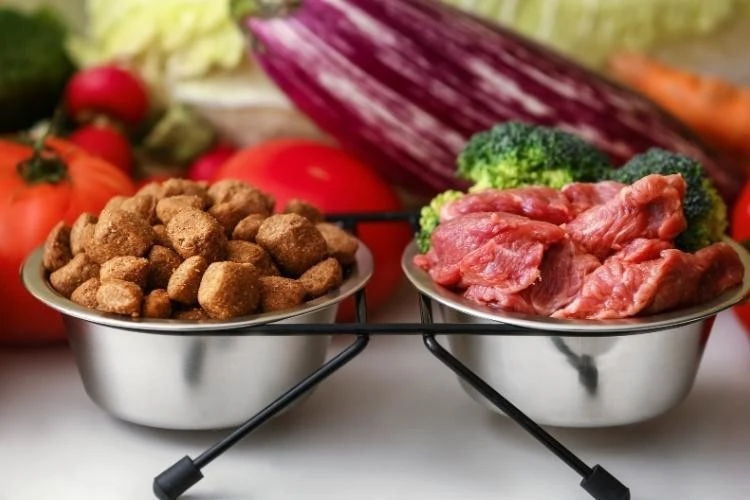
Image by Pixelshot on Canva
Dry Food, Fresh Food, Grain Free, and Home Cooking
There are several options for feeding Miniature Poodles. It’s important to know your dog's health profile, budget, lifestyle, and ability to feed your dog consistently to choose the most appropriate option.
Dry Kibble
Dry food comes in handy, and it stays fresh for quite a while. Remember, if you’re buying kibble, choose smaller pieces and a small-breed formula that fits perfectly in a Miniature Poodle’s small jaw.
The standard dry kibbles crumble too easily to effectively clean teeth. Choose kibbles with the Veterinary Oral Health Council (VOHC) seal to help minimize plaque and tartar buildup. However, kibbles should never be a substitute for regular brushing or for routine dental care by your veterinarian.
Fresh or Real Food Diets
Fresh or real-food diets may appeal to picky eaters and be easier for some dogs to enjoy. Some owners also use fresh toppers with dry food for extra moisture and variety.
However, don't confuse the marketing term human-grade with nutritional adequacy. Human-grade simply means the ingredients were handled safely for human consumption. So, the food must still include an AAFCO statement indicating that it's biochemically complete and balanced for dogs.
Grain-Free Dog Food
While grain allergies are incredibly rare in dogs, they usually manifest as a reaction to the protein source instead. Be cautious, as most grain-free diets replace wheat or corn with high concentrations of peas, lentils, or chickpeas. The FDA and veterinary cardiologists have linked high-legume, grain-free diets to diet-associated Dilated Cardiomyopathy (DCM), a serious canine heart condition.
Unless your veterinarian explicitly diagnoses a grain or gluten intolerance, a grain-inclusive diet that contains whole grains such as oats or brown rice is safer and more digestible.
Home Cooking
While preparing a fresh meal for your dog may seem loving, doing so blindly poses significant health risks. A basic diet of chicken and rice lacks essential calcium, zinc, copper, and vital amino acids, causing severe nutritional deficiencies over time. If you choose to cook regularly, you must use a custom recipe formulated by a board-certified veterinary nutritionist (DACVIM-Nutrition) to guarantee long-term safety.
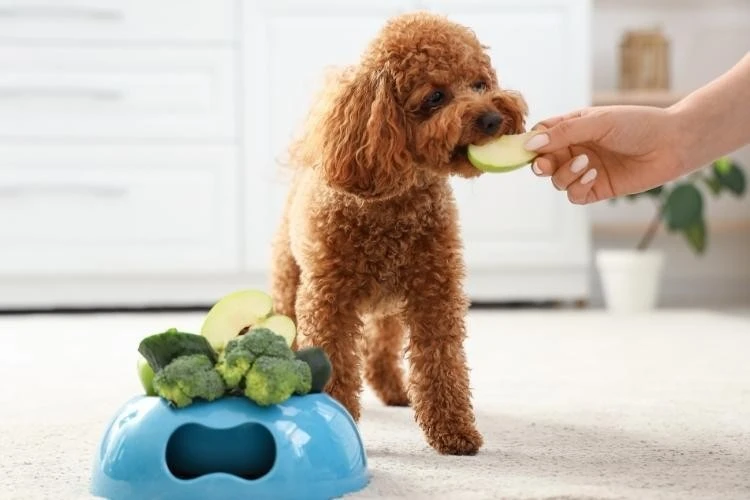
Image by Pixelshot on Canva
Health Issues That Can Affect Poodles and Their Diet
Several health issues can affect poodles, including sensitive stomachs, allergies, patellar luxation, Addison’s disease, and eye conditions. While food can't prevent every hereditary condition, the right diet can support your dog’s comfort and overall health.
This is why you need to buy well-socialized puppies from verified ethical breeders to avoid hereditary conditions. At HonestPet, we uphold strict ethical standards for responsible care, health records, and trusted breeder practices. Our puppies come with a health guarantee, a veterinary helpline, and lifetime support and training.
Sensitive Stomachs and Allergies
Miniature poodles can have sensitive stomachs. Signs may include loose stool, gas, vomiting, itchy skin, or frequent ear problems.
A limited-ingredient dog food can help when allergies are suspected. Novel proteins such as duck, venison, or fish may suit some dogs better than chicken or beef. Always transition to new food slowly over 7-10 days to reduce digestive upset.
Skin, Coat, and Ear Concerns
Omega fatty acids support skin and coat health, which matters for a breed with curly coats that need regular grooming. A shiny coat often starts with good nutrition, but regular brushing also helps keep curls tangle-free.
If your poodle has repeat ear infections, hot spots, or skin issues, don’t self-diagnose. Your vet can help identify allergies, parasites, infections, or other medical causes.
Addison’s Disease
Addison’s disease affects the adrenal glands and can cause vomiting, diarrhea, appetite loss, weight loss, and lethargy. However, diet can't treat Addison’s disease.
Call your vet quickly if symptoms are ongoing. Collapse, severe weakness, or repeated vomiting and diarrhea need urgent care.
Joint and Eye Health
Patellar luxation is common in small breeds and happens when the kneecap slips out of place. Weight control helps reduce pressure on joints. Omega-3s may also support joint comfort as part of a broader care plan.
Progressive retinal atrophy is an inherited condition that can lead to blindness. Diet alone can't cure it, but responsible breeding, regular vet care, and early checks can help owners prepare.
How Much Dog Food Should a Miniature Poodle Eat?
Feeding amounts depend on weight, age, activity, treats, neuter status, and body condition. Start with the label on the dog food packaging, then adjust based on your dog’s shape and your vet’s advice.
| Life Stage | Daily Calorie Starting Point | Feeding Notes |
|---|---|---|
| Puppy | 40-55 calories per pound | Split into 3-4 meals daily |
| Adult | 35-45 calories per pound | Usually 2 meals daily |
| Senior | About 40 calories per pound | Adjust for activity and weight |
These are starting ranges, not fixed rules. A very active miniature poodle may need more calories, while a less active or overweight dog may need fewer.
Even treats are not an exception here. Keep treat intake relatively low and avoid giving too many treats, especially during training. You can also consider puzzle toys as part of your dog's daily ration instead of additional treats.
How to Choose the Best Food For Your Poodle
Choosing food doesn’t have to be a troublesome process. Just use this checklist:
1.Choose food for the right age group.
2.Look for “complete and balanced” on the label.
3.Pick a named animal protein as the first ingredient.
4.Choose small kibble pieces when possible.
5.Match the food to known sensitivities.
6.Transition slowly from old food to new food.
A healthy Miniature Poodle diet should support steady energy, a healthy weight, easy digestion, and that soft, defined curly coat.
If you’re still getting familiar with this dog breed, make sure you read our articles on Miniature Poodle personality and Miniature Poodle size to help you understand their activity, size, grooming, and care needs.
Frequently Asked Questions
Dry Food vs. Wet Food: Which is Better?
Either one can be a great option for a Miniature Poodle. Dry food is easy to portion and store, and you can break it into smaller kibble pieces that fit perfectly in their small jaws. Wet food provides moisture and can help picky eaters eat. There are also fresh meal options, such as those from The Farmer's Dog, but many other brands also offer full, well-balanced recipes. Choose the food that best meets your dog's nutritional requirements and lifestyle.
Can Miniature Poodles Eat Grain-Free Food?
Not all Miniature Poodles can eat grain-free dog food. Most dogs tolerate grains, and grain-free products are typically recommended for dogs known to be sensitive to or allergic to grains. If you suspect your dog has a food allergy, consider a limited-ingredient diet to help your dog maintain a healthy balance of vitamins and minerals.
What Helps Miniature Poodles with Sensitive Stomachs?
Many Miniature Poodles have sensitive stomachs. Look for food formulated with high-quality protein, digestible ingredients, and added prebiotics or probiotics. A limited-ingredient diet may also help dogs with food allergies. Introduce any new food slowly over 7 to 10 days, and consult the veterinarian if your Poodle develops digestive issues.
Are Miniature Poodles Picky Eaters?
Some are. Feed your Poodle on a set schedule, and don't change the food supply too frequently or give them too many treats during training. You can also teach your dog good eating habits through regular obedience training. If your dog suddenly refuses to eat, take them to the vet to check if there are any health or behavioral issues.
Can I Cook Food at Home?
Yes, but with the help of a veterinary nutritionist. Preparing meals at home requires a balance of protein, healthy fats, and nutrients. It’s easy to omit important vitamins and minerals if you’re making up recipes on the spot. This is why it’s safer to use a professionally formulated recipe.
Which Foods Should I Avoid Feeding Miniature Poodles?
Don't feed your Poodle toxic foods for dogs, such as chocolate, grapes, raisins, onions, garlic, and xylitol. Also limit greasy table scraps and unbalanced homemade meals. Although gastric dilatation volvulus is more common in larger breeds like the Standard Poodle, feed your dog sensible portions and keep mealtimes calm. If your poodle shares a home with other pets or other dogs, feed them separately to prevent overeating.
How Do I Transition to New Food?
Transition to the new food over 7-10 days by gradually adding it while reducing the old food. This helps to reduce the risk of digestive upset. If your dog vomits, develops diarrhea, or refuses to eat, slow it down and talk to your veterinarian if the symptoms persist.
Conclusion
The best food for miniature poodles should be complete, balanced, and appropriate for the age, size, activity level, and health of your pup. Start with identifiable animal proteins, pay attention to the portion sizes, and don’t assume that all grain-free and homemade diets are necessarily good choices.
Dietary changes should go hand in hand with proper care. Miniature Poodles require routine grooming, physical exercise, and mental stimulation, and they must be seen by a veterinarian regularly. Should your Poodle suffer from allergies, repeated vomiting, weight changes, Addison’s disease, or intestinal problems, discuss any dietary modifications with a veterinarian.
References
- ●Association of American Feed Control Officials (AAFCO). Selecting the Right Pet Food. AAFCO.
- ●U.S. Food and Drug Administration (FDA). FDA Investigation into Potential Link Between Certain Diets and Canine Dilated Cardiomyopathy (DCM).
- ●World Small Animal Veterinary Association (WSAVA). Global Nutrition Guidelines.
- ●Veterinary Oral Health Council (VOHC). Accepted Products List.
Ready to Get Started?
Find your perfect puppy and start your journey today!