

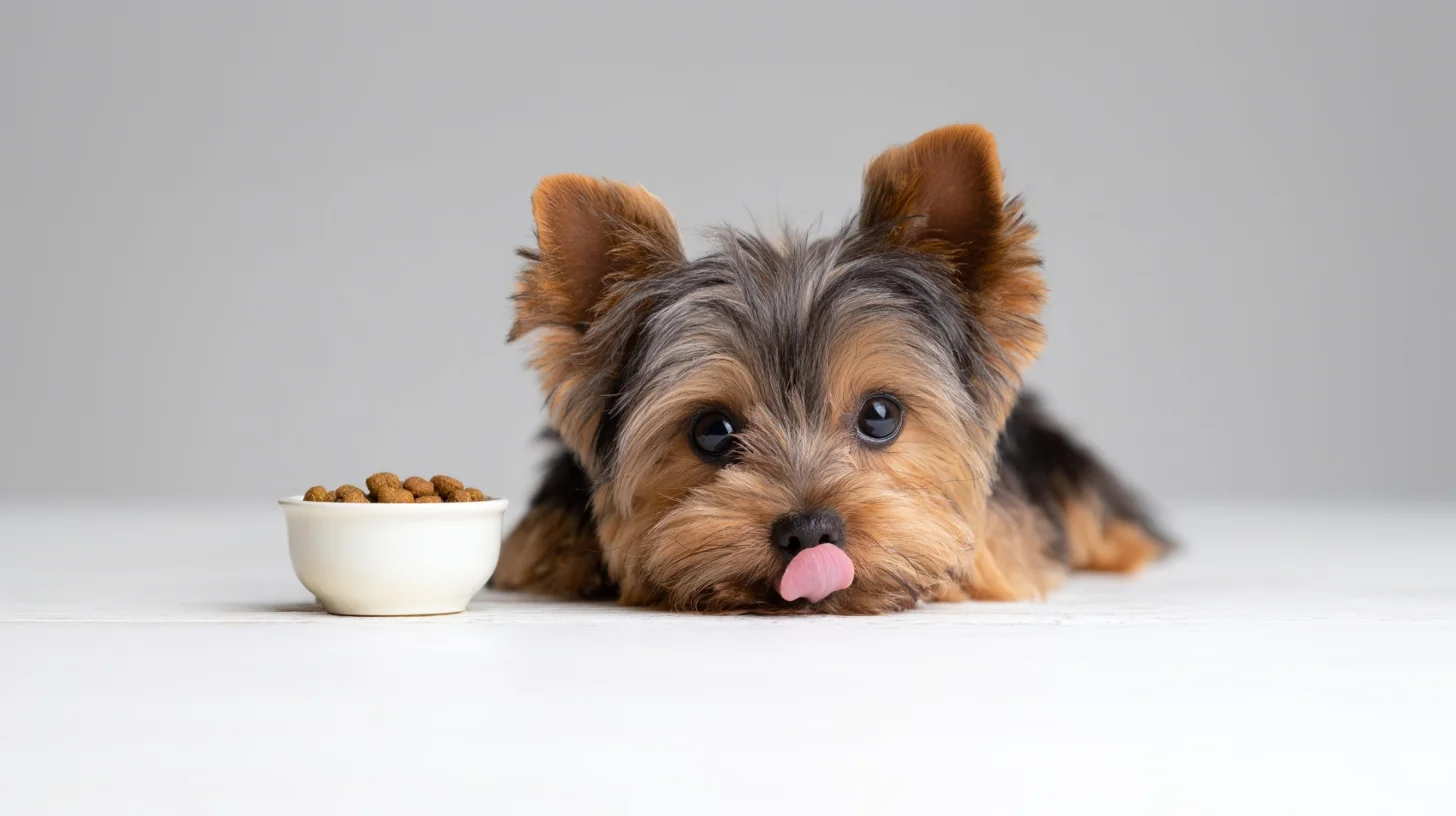
Yorkshire Terrier Dog Breed Guide: Temperament, Size, Care & Finding Puppies
AKC Recognized BreedYorkshire Terrier Overview
The Yorkshire Terrier, or Yorkie, is one of the most popular toy breeds in the United States. Known for their bold personality and silky coat, Yorkies often charm their owners with a confident disposition that belies their small size. Despite their compact frame, they are active, curious dogs that thrive with attentive owners.
Yorkies were originally bred for working purposes and retain a spirited, sometimes independent temperament. Their small size makes them appealing to apartment dwellers and those with limited space, but they still require daily exercise, mental stimulation, and consistent training to be well-adjusted companions.
Grooming is a central part of Yorkie ownership. Their fine, hair-like coat grows continuously and requires regular brushing, trims, and attention to eye and ear care. Prospective owners should factor grooming time and cost into their decision, as neglecting coat care can lead to painful matting and skin issues.
Quick Facts
Temperament & Best Homes
Yorkshire Terriers are often described as spirited, affectionate, and loyal to their families. Many bond closely with their primary caregiver and may be wary of strangers at first. Early socialization helps them develop confidence in new situations and around unfamiliar people and pets.
Yorkies can do well with older children who understand gentle handling, but their small size means supervision is important around younger kids. They may also coexist with other pets when properly introduced. For first-time owners, their trainability and compact size can be appealing, though their occasional stubbornness requires patience and consistency.
Size, Coat & Grooming
Yorkies typically weigh up to about 7 pounds and stand 7-8 inches tall, making them one of the smallest AKC-recognized breeds. Buyers should be cautious of breeders using terms like "teacup" or "micro," as these are marketing labels, not recognized breed varieties, and may indicate prioritizing size over health.
The Yorkie coat is fine and silky, similar in texture to human hair. It grows continuously and does not shed in the same way as double-coated breeds, but it tangles and mats easily without regular care. Daily brushing is recommended for dogs kept in longer coats.
Many owners opt for a shorter "puppy cut" that reduces daily grooming demands while keeping the dog comfortable. Regular professional trims every 4-6 weeks, along with routine nail care and ear cleaning, help maintain overall hygiene and comfort.
Exercise & Training
Despite their small size, Yorkies are active dogs that benefit from daily walks, indoor play, and mental enrichment. Puzzle feeders, training games, and short exploration outings can help satisfy their curiosity and prevent boredom-driven behaviors like excessive barking.
Training a Yorkie typically goes well with positive reinforcement, short sessions, and consistent expectations. House-training may take extra patience, and early socialization is especially important for building confidence. Crate training and a predictable daily routine often produce the best results.
Health Considerations & Health Testing Explained
Yorkshire Terriers are generally long-lived, but like all breeds, they may be predisposed to certain health conditions. Responsible breeders screen for issues relevant to the breed and provide clear documentation of testing results. Ask breeders what screenings they perform and why, and verify records through organizations like the OFA when possible. This content is informational and not veterinary advice.
Buyers should be especially cautious of breeders prioritizing extremely small size, as very small dogs may face additional health challenges. A transparent breeder will discuss the health history of their lines openly and provide a written health guarantee as part of the purchase contract.
This content is informational and not veterinary advice. For individual health concerns, consult a licensed veterinarian.
Scam Protection & Responsible Buying
Yorkies are frequently targeted by puppy scammers due to their popularity and high demand. Common red flags include unusually low prices, sellers who refuse to do live video calls, requests for payment via wire transfer or gift cards, and pressure to make a fast decision. Always verify the seller's identity and the puppy's existence before sending money.
Protect yourself by working with breeders or platforms that prioritize transparency, provide verifiable documentation, and offer clear contracts. Visit our /scam-protection page for a comprehensive guide to identifying and avoiding puppy scams. A trustworthy seller will never rush you.
Questions We Ask Breeders
Before listing a Yorkshire Terrier puppy on HonestPet, we ask breeders a thorough set of questions to help ensure responsible practices.
- What health screenings have you performed on the parents, and can I see the documentation?
- What are the adult sizes and weights of both parents?
- How are puppies socialized before going to their new homes?
- Do you offer a written health guarantee and purchase contract?
- What is your return or rehoming policy?
- Can I see the living conditions via a visit or live video call?
- What vaccinations and deworming have the puppies received?
- Do you use the term "teacup," and if so, how do you define it?
- Can you provide references from previous buyers?
- What ongoing support do you offer after purchase?
- How do you select breeding pairs and what traits do you prioritize?
- What is the puppy's daily routine and early exposure experience?
Available Yorkshire Terrier Puppies on HonestPet
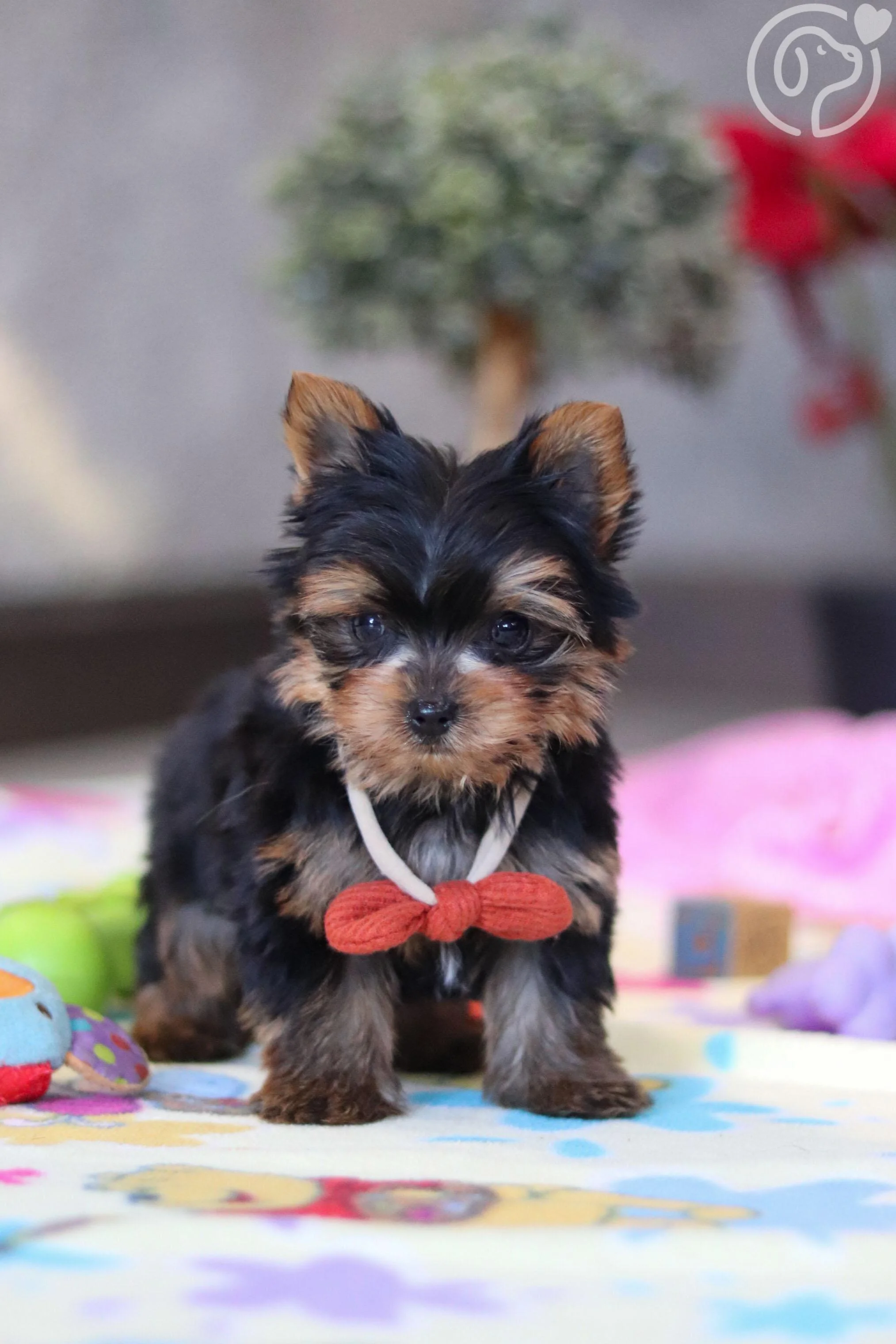
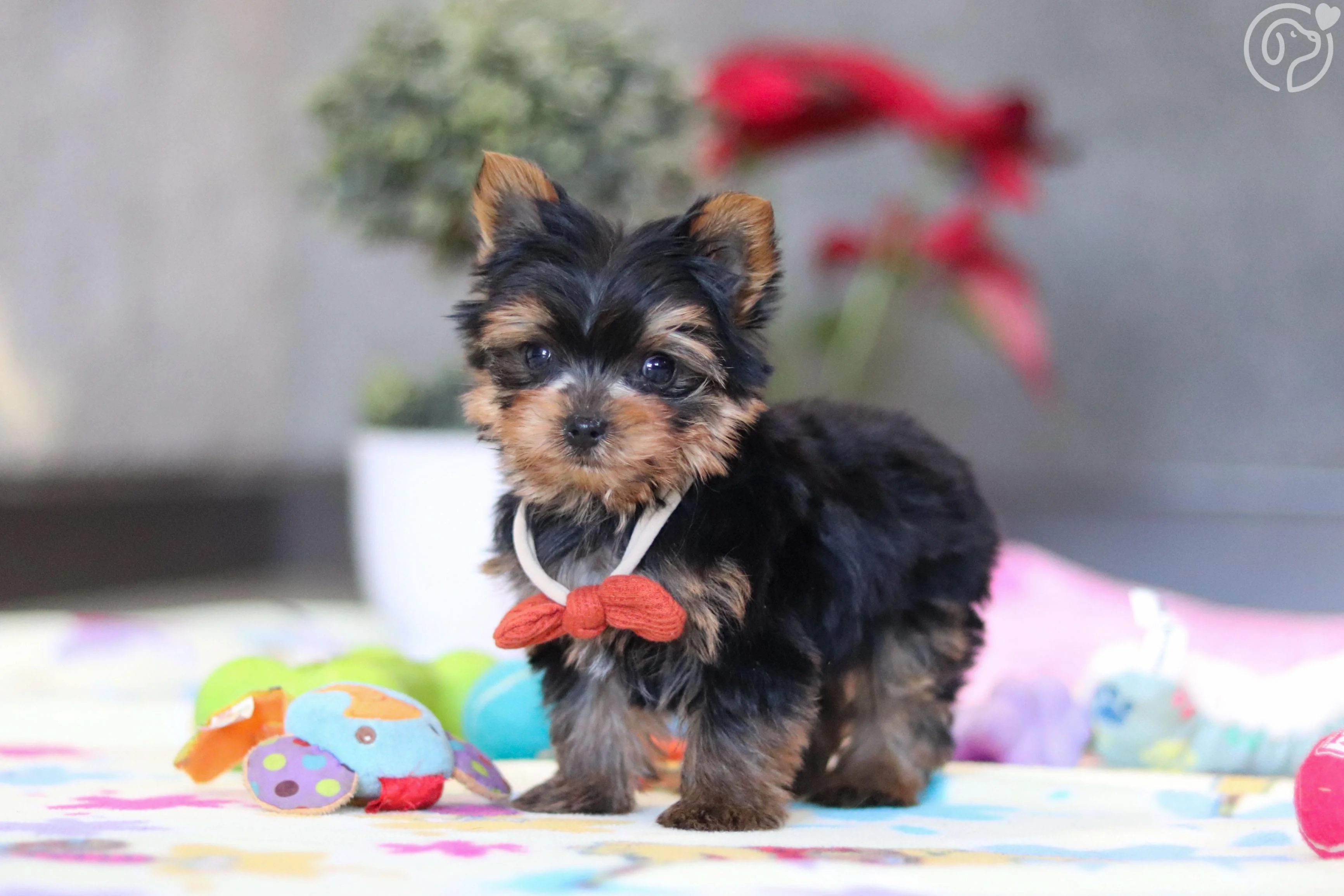
Ready to welcome a Yorkshire Terrier into your family? Browse verified listings from trusted breeders on HonestPet.
Browse Yorkshire Terrier Puppies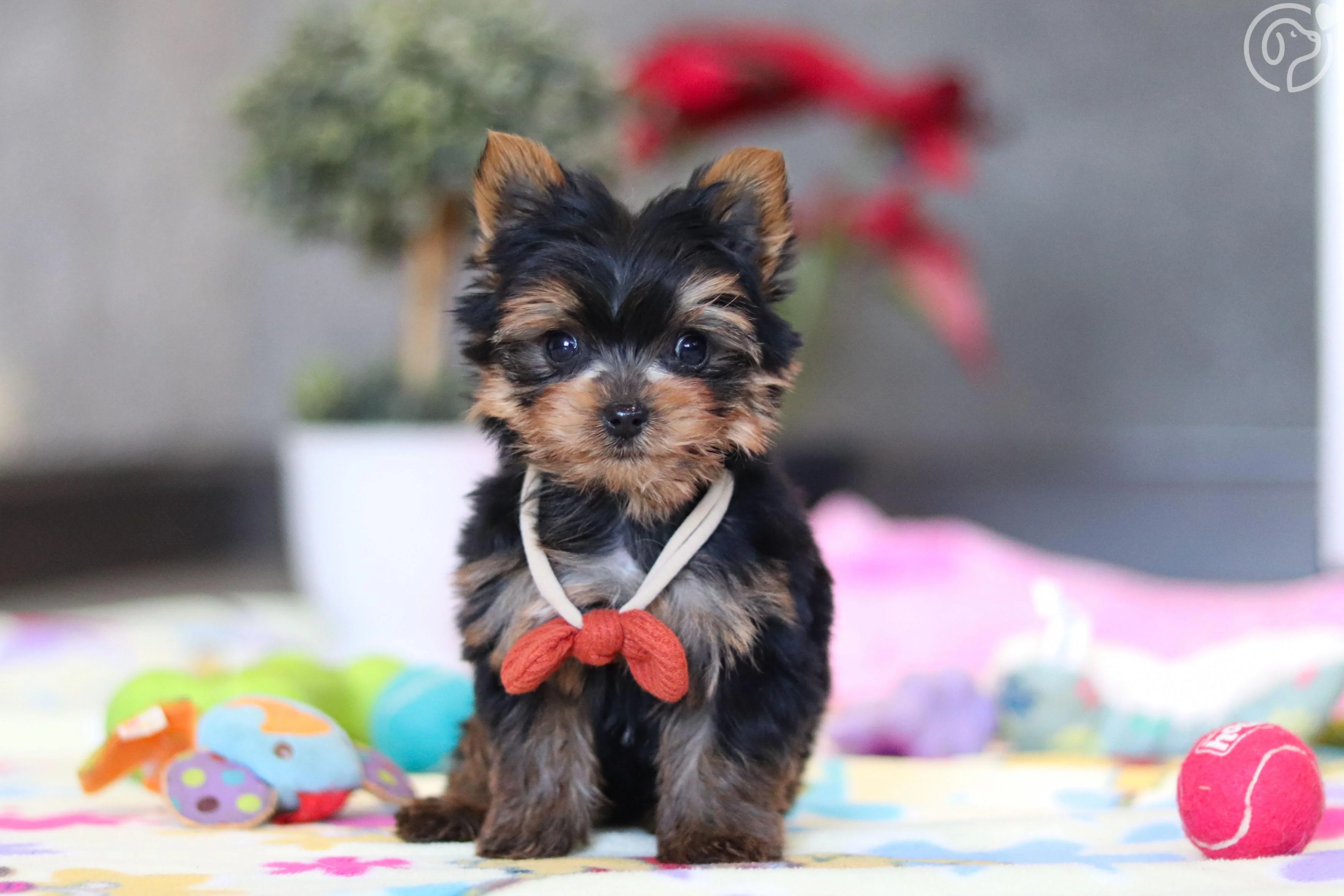
Frequently Asked Questions
How big do Yorkshire Terriers get?
Yorkies are a toy breed and are typically very small as adults. Ask the breeder for adult weights of the parents and prior litters for a realistic expectation.
Do Yorkies shed?
Yorkies often shed less than many double-coated breeds, but their hair grows continuously and needs regular grooming. Coat care is a daily or near-daily habit for many owners.
Are Yorkies good apartment dogs?
They can do well in apartments when their exercise and enrichment needs are met. Managing barking and consistent routines matter more than square footage.
Are Yorkshire Terriers easy to train?
Many Yorkies are bright and responsive, but consistency is key. Short, upbeat sessions and early socialization usually produce the best results.
How much grooming does a Yorkie need?
Regular brushing and scheduled trims help prevent tangles and mats. Many owners choose a shorter "puppy cut" for easier maintenance.
Are "teacup" Yorkies a different breed?
“Teacup” is a marketing term, not a separate breed. Prioritize ethical breeding, healthy development, and transparent records over extreme miniaturization claims.
What should I ask a Yorkie breeder before buying?
Ask for health records, a written contract, transparent socialization practices, and details on how puppies are raised. Responsible breeders welcome questions and provide documentation.
How do I avoid puppy scams for Yorkies online?
Be cautious of unusually low prices, refusal to live video-call, and pressure to pay quickly. Legitimate sellers provide verifiable proof of the puppy, health records, and clear policies.
Suggested Citations
- American Kennel Club: Yorkshire Terrier breed information / ownership guidance
- American Kennel Club: Puppy scam consumer guidance (AKC + BBB warning)
- Orthopedic Foundation for Animals (OFA): Screening and certification concepts
- Yorkshire Terrier Club of America: Breed education resources
Looking for a Yorkshire Terrier? Browse available Yorkshire Terrier puppies on HonestPet