

Pomeranian Dog Breed Guide: Temperament, Size, Care & Finding Puppies
AKC Recognized BreedPomeranian Overview
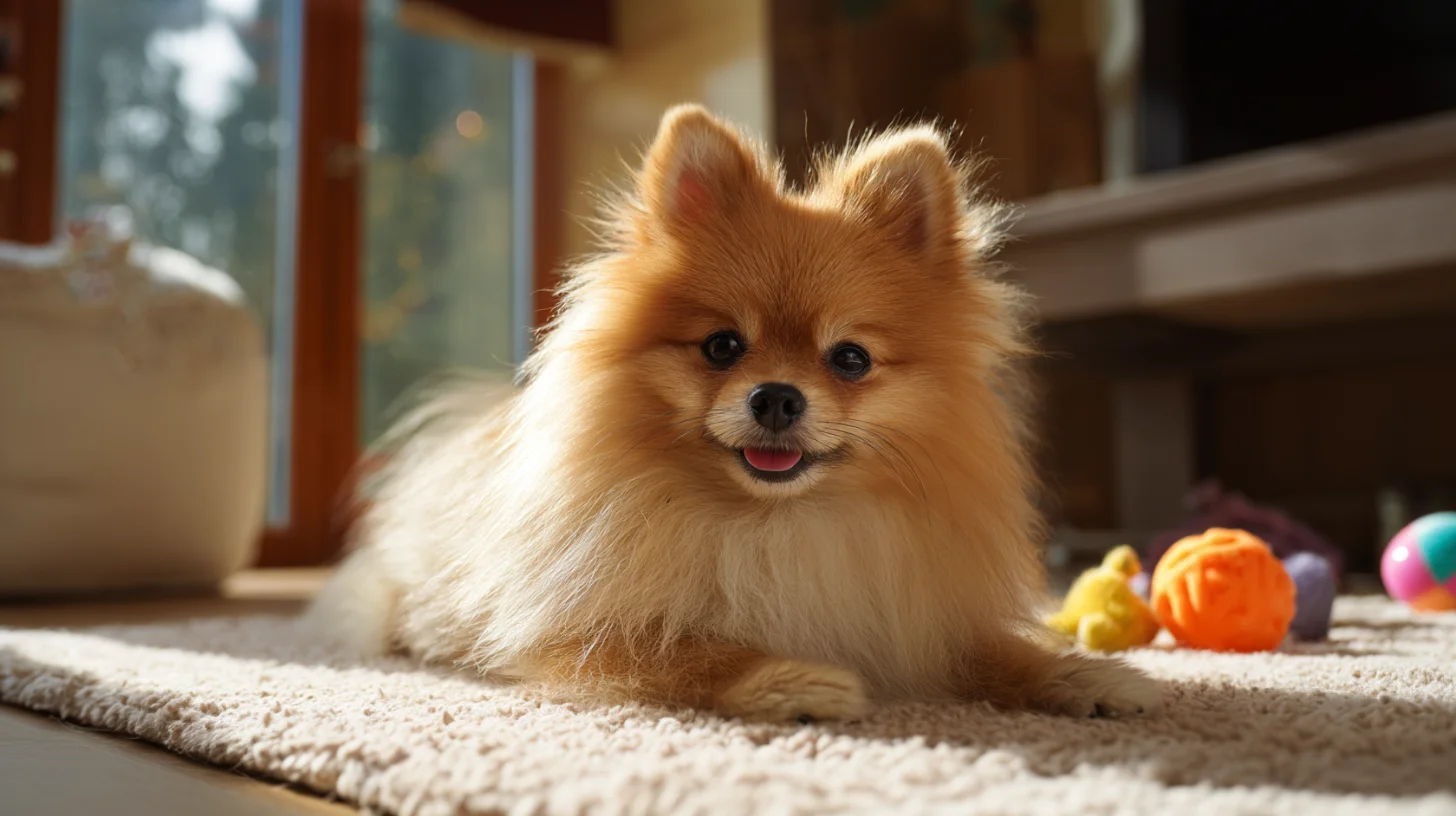
The Pomeranian is a spirited toy breed known for its fluffy double coat, bold personality, and fox-like expression. Despite their small size, Pomeranians are confident, active dogs that often have a larger-than-life presence. They have been popular companions for centuries and continue to be a top choice for owners seeking a small, charismatic dog.
Coat care is a central theme of Pomeranian ownership. Their abundant double coat sheds throughout the year, with heavier shedding periods known as "coat blowing." Prospective owners should be prepared for regular brushing, routine grooming, and managing loose hair in the home.
Pomeranians are adaptable to a variety of living situations, including apartments, but they do require consistent training, socialization, and daily enrichment. Understanding their grooming needs and proactive barking management are key to a successful ownership experience.
Quick Facts
Temperament & Best Homes
Pomeranians are often described as lively, curious, and confident. Many are outgoing and enjoy being the center of attention, while others may be more reserved with strangers. Early socialization helps ensure a well-rounded, confident temperament that adapts well to new situations and environments.
For families with older children and calm households, Pomeranians can be engaging, affectionate companions. Their small size requires gentle handling, and supervision is important around young children and larger pets. Consistent training and socialization from puppyhood help manage natural tendencies toward barking and boldness.
Size, Coat & Grooming
Pomeranians typically weigh between 3 and 7 pounds and stand about 6 to 7 inches tall. They are among the smallest AKC-recognized breeds, and their compact size makes them portable and adaptable to apartment living.
The Pomeranian’s signature double coat consists of a dense undercoat and a longer, textured outer coat. This coat sheds year-round and goes through "blow coat" periods where shedding is significantly heavier. Brushing several times per week—and daily during blow coat—helps manage loose hair and prevents tangles.
Professional grooming every 4-8 weeks is recommended to maintain coat health and shape. Routine care also includes nail trimming, dental hygiene, and ear cleaning. Investing in consistent coat care is one of the most important aspects of Pomeranian ownership.
Exercise & Training
Pomeranians have a medium energy level and benefit from daily walks, indoor play, and mental enrichment. Short walks, interactive toys, and training games help satisfy their curiosity and prevent boredom-driven behaviors like excessive barking.
Training a Pomeranian typically goes well with positive reinforcement and short, engaging sessions. Early barking management is especially important, as Pomeranians can become vocal if not given appropriate outlets and boundaries. Consistent routines and socialization from puppyhood build a well-mannered adult dog.
Health Considerations & Health Testing Explained
Pomeranians are generally long-lived, but they may be predisposed to certain health conditions. Responsible breeders screen for relevant issues and provide clear documentation of testing results. Ask breeders what screenings they perform and verify records through organizations like the OFA when possible. This content is informational and not veterinary advice.
Buyers should look for breeders who prioritize health over extreme aesthetics or size. A transparent breeder will discuss the health history of their lines openly and provide a written health guarantee as part of the purchase contract.
This content is informational and not veterinary advice. For individual health concerns, consult a licensed veterinarian.
Scam Protection & Responsible Buying
Pomeranians are a popular toy breed frequently targeted by puppy scammers. Red flags include sellers who refuse live video proof, demand payment via wire transfer or gift cards, offer prices far below market value, or pressure buyers to commit quickly without documentation.
Protect yourself by choosing breeders or platforms that emphasize transparency, verifiable documentation, and clear contracts. Visit our /scam-protection page for a comprehensive guide to recognizing and avoiding puppy scams. A trustworthy seller will never rush you or refuse reasonable questions.
Questions We Ask Breeders
Before listing a Pomeranian puppy on HonestPet, we ask breeders a thorough set of questions to help ensure responsible practices.
- What health screenings have you performed on the parents?
- Can I see and verify the documentation of health clearances?
- What are the adult sizes and weights of both parents?
- How are puppies socialized before going to their new homes?
- Do you offer a written health guarantee and purchase contract?
- What is your return or rehoming policy?
- Can I visit or see the facility via live video?
- What vaccinations and deworming have the puppies received?
- How do you manage coat care and introduce puppies to grooming routines?
- Can you share references from previous buyers?
- How do you select breeding pairs, and what traits do you prioritize?
- What ongoing support do you provide to new owners?
Available Pomeranian Puppies on HonestPet
Ready to welcome a Pomeranian into your family? Browse verified listings from trusted breeders on HonestPet.
Browse Pomeranian Puppies
Frequently Asked Questions
Do Pomeranians shed a lot?
Many Pomeranians shed and may have heavier seasonal shedding due to their double coat. Routine brushing helps manage loose hair and keeps the coat looking its best.
What is “blow coat” in Pomeranians?
It refers to heavier shedding periods when more undercoat is released. Consistent grooming is typically the most practical way to manage it.
How much grooming does a Pomeranian need?
Many benefit from frequent brushing and occasional professional grooming. Coat care helps prevent tangles and supports comfort.
Are Pomeranians good apartment dogs?
They can be, but barking habits should be trained early. Daily play and short walks help them stay balanced in smaller spaces.
Are Pomeranians easy to train?
They can learn quickly with positive training and short sessions. Consistent routines are especially helpful for doing well at home.
How big do Pomeranians get?
They’re a toy breed with a relatively small adult range. Ask the breeder about adult sizes in their lines for realistic expectations.
What should I ask a Pomeranian breeder before buying?
Ask for clear documentation, a written contract, and details on early socialization. Responsible breeders are transparent and don’t rush buyers.
How do I avoid puppy scams when buying a Pomeranian online?
Avoid sellers who refuse live video, won’t provide records, or pressure fast payment. Look for verifiable proof, transparent communication, and clear policies.
Suggested Citations
- American Kennel Club: Pomeranian ownership guidance (size/grooming context)
- American Kennel Club: Puppy scam consumer guidance (AKC + BBB warning)
- Orthopedic Foundation for Animals (OFA): Screening concepts (general)
- American Pomeranian Club: Breed education resources
Looking for a Pomeranian? Browse available Pomeranian puppies on HonestPet