

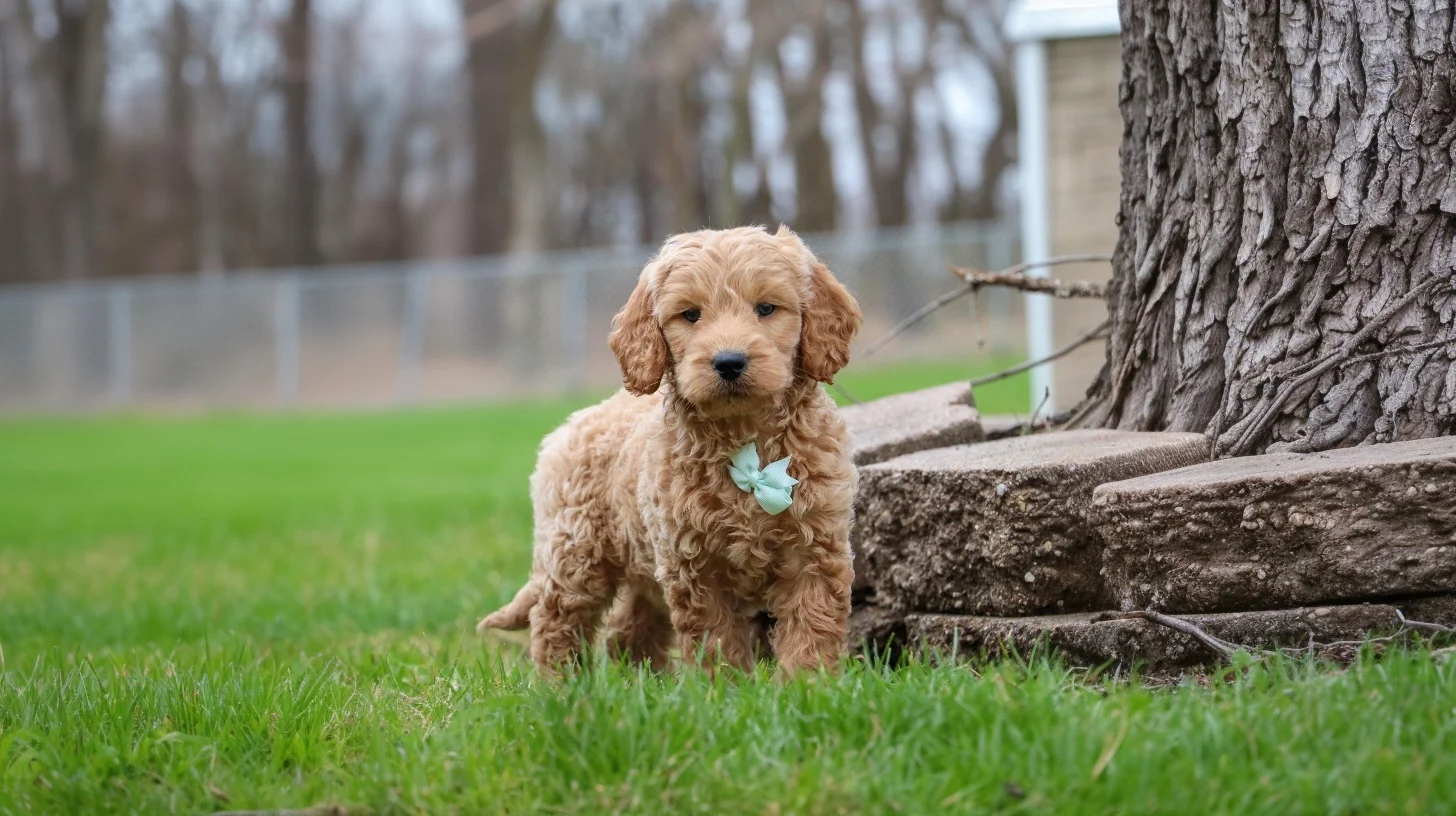
Goldendoodle Dog Breed Guide: Temperament, Size, Care & Finding Puppies
Designer Crossbreed: Golden Retriever × PoodleGoldendoodle Overview
The Goldendoodle is a popular crossbreed that combines the Golden Retriever and Poodle, resulting in a dog that often appeals to families, active individuals, and first-time owners alike. Because this is a hybrid, there is no single breed standard, and traits such as size, coat type, and temperament can vary significantly from one puppy to the next. Understanding this variability is essential before committing to a Goldendoodle puppy.
Goldendoodles are often described as friendly and social, with many inheriting the Golden Retriever's people-oriented disposition and the Poodle's intelligence. They may come in mini, medium, or standard sizes depending on the Poodle parent, and coat textures can range from wavy to curly. Prospective owners should ask breeders about generation labels (such as F1 or F1B) and what those mean for expected traits.
While Goldendoodles have earned a reputation as lower-shedding companions, no dog is truly hypoallergenic. Coat care is a significant commitment, and buyers should be prepared for routine brushing and professional grooming throughout the dog's life. Responsible purchasing starts with understanding the breed's needs and verifying breeder documentation.
Quick Facts
Temperament & Best Homes
Many Goldendoodles are known for being affectionate, eager to please, and adaptable to a variety of living situations. They often do well with families, including households with children and other pets, provided that early socialization is prioritized. However, individual temperament can vary, and buyers should ask breeders about the temperament traits they select for in their breeding program.
For first-time dog owners, Goldendoodles may be a manageable choice when paired with consistent training and socialization from puppyhood. Their social nature typically means they enjoy companionship and may not do well if left alone for extended periods. Structured routines and positive reinforcement training help bring out the best in this cross.
Size, Coat & Grooming
Goldendoodle size varies widely based on the Poodle parent. Mini Goldendoodles may weigh as little as 15 pounds, while standard-sized dogs can exceed 90 pounds. Always ask a breeder about the expected adult size based on parent weights and previous litter outcomes.
Coat type is one of the most variable traits in Goldendoodles. Wavy, curly, and flat coats each have different grooming demands. Curlier coats tend to shed less but are more prone to matting, requiring brushing several times per week and professional grooming every 6-8 weeks.
Owners should budget for regular grooming appointments and invest in quality brushes and combs for at-home maintenance. Neglecting grooming can lead to painful matting, skin issues, and discomfort for the dog. Keeping a consistent grooming schedule is one of the most important responsibilities of Goldendoodle ownership.
Exercise & Training
Goldendoodles typically have medium to high energy levels and benefit from daily exercise that includes walks, play sessions, and mental enrichment. Puzzle toys, training games, and retrieval activities can help satisfy their need for stimulation and prevent boredom-related behaviors.
Training is usually a rewarding experience with Goldendoodles, as many are eager learners who respond well to positive reinforcement. Early puppy classes, leash training, and recall work lay the foundation for a well-mannered adult dog. Consistent boundaries and structured routines help channel their energy productively.
Health Considerations & Health Testing Explained
Like all dogs, Goldendoodles may be predisposed to certain health concerns inherited from either parent breed. Responsible breeders typically screen for orthopedic conditions such as hip dysplasia and may also test for eye conditions and genetic disorders. Ask breeders for documentation of health clearances from organizations like the OFA, and verify those records independently when possible. This content is informational and not veterinary advice.
Prospective buyers should understand the difference between a basic veterinary exam and breed-specific health screening. A puppy vet check is important, but it does not replace the genetic and orthopedic testing that responsible breeders perform on parent dogs before breeding. Always ask what tests were done, why they were chosen, and how to verify the results.
This content is informational and not veterinary advice. For individual health concerns, consult a licensed veterinarian.
Scam Protection & Responsible Buying
Unfortunately, the popularity of Goldendoodles makes them a common target for puppy scams. Red flags include sellers who refuse to provide live video of the puppy, demand payment via wire transfer or gift cards, offer prices that seem too good to be true, or pressure buyers to commit quickly. Always verify the seller's identity and ask for documentation before sending any money.
To protect yourself, work with breeders or marketplaces that emphasize transparency, provide verifiable records, and offer clear contracts with return policies. Visit our /scam-protection page for a detailed checklist of warning signs and safe purchasing steps. Taking time to verify a breeder is one of the best investments you can make.
Questions We Ask Breeders
Before listing a Goldendoodle puppy on HonestPet, we ask breeders a thorough set of questions to help ensure responsible practices.
- Can you provide OFA or equivalent health clearance documentation for both parent dogs?
- What generation is this litter (F1, F1B, multigen), and how does that affect expected traits?
- What are the adult sizes and weights of both parents?
- How are puppies socialized before they go to their new homes?
- Can I visit the facility or see the living conditions via live video?
- Do you provide a written health guarantee and contract?
- What is your return or rehoming policy if the placement does not work out?
- Can you share references from previous puppy buyers?
- What vaccinations and deworming have the puppies received so far?
- How do you select breeding pairs, and what temperament traits do you prioritize?
- Are there any known health issues in the parents' lineage?
- What ongoing support do you offer to new puppy owners?
Available Goldendoodle Puppies on HonestPet
Ready to welcome a Goldendoodle into your family? Browse verified listings from trusted breeders on HonestPet.
Browse Goldendoodle Puppies
Frequently Asked Questions
Are Goldendoodles hypoallergenic?
Some Goldendoodles may shed less, but no dog is truly hypoallergenic. Coat type varies by generation and breeder, so allergy-sensitive buyers should spend time around similar coats before committing.
What does F1 or F1B mean for a Goldendoodle?
These labels describe the mix generation (e.g., first-generation vs a backcross), which can influence coat traits and predictability. Even with labels, temperament and coat can still vary.
How big do Goldendoodles get?
Size can range from small to large depending on the Poodle parent size and breeding goal. Ask for parent sizes and typical adult sizes from prior litters.
Do Goldendoodles shed a lot?
Shedding can be low to moderate depending on coat genetics and grooming. Regular brushing helps reduce matting and loose hair.
How much grooming does a Goldendoodle need?
Most need frequent brushing and regular professional grooming to prevent matting. Grooming needs generally increase with curlier or longer coats.
Are Goldendoodles good family dogs?
Many are social and people-oriented, but individual temperament varies. Early socialization and consistent training are important for a stable adult dog.
What health testing should I ask a Goldendoodle breeder about?
Because Goldendoodles are a crossbreed, ask for age-appropriate orthopedic/eye testing for both parent breeds and documentation you can verify. Good breeders explain what they test and why.
How can I avoid puppy scams when shopping for Goldendoodles online?
Avoid sellers who refuse live video proof, use pressure tactics, or demand wire transfers. Work with marketplaces and breeders that provide verifiable identity, documentation, and clear contracts.
Suggested Citations
- American Kennel Club: Puppy scam consumer guidance (AKC + BBB warning)
- Orthopedic Foundation for Animals (OFA): Hip dysplasia overview and screening concepts
- Cornell University College of Veterinary Medicine: Canine hip dysplasia (CHD) overview (OFA vs PennHIP mentioned)
- Golden Retriever Club of America: Health screening guidance for parent breed
- Poodle Club of America: Health and breeder education resources
Looking for a Goldendoodle? Browse available Goldendoodle puppies on HonestPet