

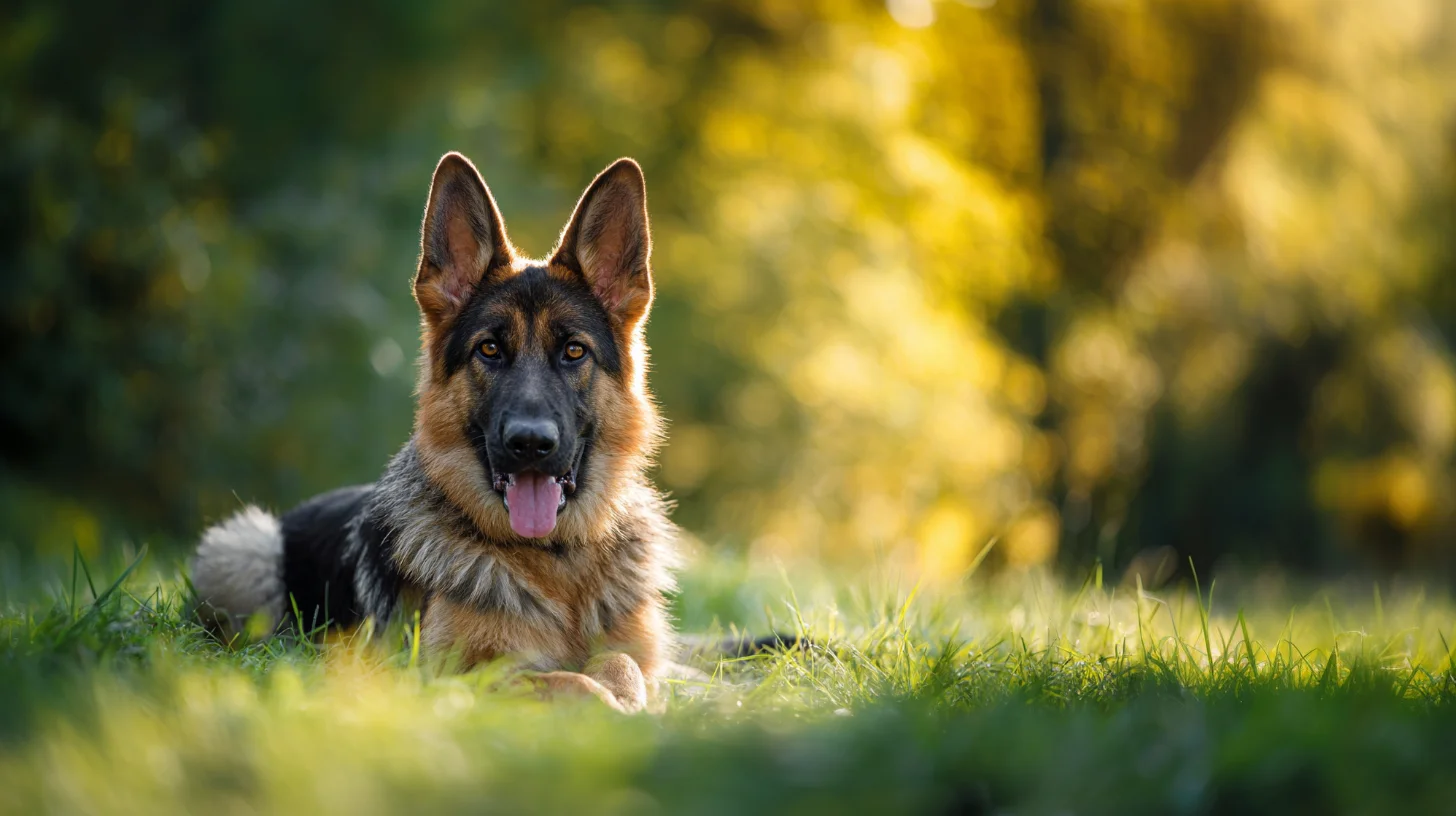
German Shepherd Dog Breed Guide: Temperament, Size, Care & Finding Puppies
AKC Recognized BreedGerman Shepherd Overview
The German Shepherd Dog (GSD) is one of the most versatile and recognizable breeds in the world, valued for intelligence, loyalty, and working ability. They serve in roles ranging from family companion to service dog, and their trainability has made them a top choice for experienced and committed owners.
German Shepherds are large, athletic dogs that require substantial daily exercise and mental engagement. They are not a low-maintenance breed, and prospective owners should be prepared for a significant commitment to training, socialization, and health management throughout the dog’s life.
Choosing a German Shepherd means selecting a breeder who focuses on stable temperament, health testing, and transparency. The breed’s popularity has led to wide variation in breeding quality, making it especially important to verify documentation and ask detailed questions before purchasing a puppy.
Quick Facts
Temperament & Best Homes
German Shepherds are often described as confident, courageous, and loyal. Many form strong bonds with their families and are attentive, engaged companions. They tend to be watchful and may be reserved with strangers, which is a normal breed trait—not a sign of aggression when properly socialized.
For families, GSDs can be wonderful companions when raised with consistent training and early socialization. They often do well with children and other pets in households that provide structure. First-time owners should be aware that this breed thrives with clear leadership and routine, and may not be the best fit for very passive or hands-off households.
Size, Coat & Grooming
German Shepherds typically weigh between 50 and 90 pounds and stand about 22 to 26 inches at the shoulder. Males are generally larger than females, and there can be meaningful differences between working and show lines in terms of build and structure.
Their double coat sheds heavily year-round, with seasonal "coat blowing" periods that produce even more loose hair. Brushing several times per week is recommended, and during heavy shedding periods, daily brushing may be necessary.
Routine grooming also includes nail trimming, ear cleaning, and occasional baths. While professional grooming is not typically required, consistent at-home coat care is essential for managing shedding and keeping the dog comfortable.
Exercise & Training
German Shepherds are high-energy working dogs that typically need at least one to two hours of daily exercise. Activities like walks, runs, training sessions, scent work, agility, and structured play are all excellent outlets. Without sufficient stimulation, GSDs may develop anxiety or destructive behaviors.
Training is often a highlight of GSD ownership. They are highly responsive to positive, consistent methods and benefit greatly from early puppy classes and ongoing training throughout their lives. Socialization—exposure to a variety of people, environments, and situations—is especially critical in the first year to build confidence and stable behavior.
Health Considerations & Health Testing Explained
German Shepherds may be predisposed to hip and elbow dysplasia, degenerative myelopathy, and other orthopedic or neurological conditions. Responsible breeders screen parent dogs through organizations like the OFA and provide verifiable documentation. Always ask for health clearances and understand what the results mean. This content is informational and not veterinary advice.
Buyers should look for breeders who can demonstrate a consistent health-testing protocol across their breeding program. A breeder who tests only occasionally or cannot explain their testing choices may not be prioritizing the long-term health of their puppies.
This content is informational and not veterinary advice. For individual health concerns, consult a licensed veterinarian.
Scam Protection & Responsible Buying
The German Shepherd’s popularity makes it a frequent target for puppy scams. Red flags include sellers who refuse to show the puppy live, demand untraceable payment methods, advertise extremely low prices, or pressure buyers to commit immediately without providing documentation.
Protect yourself by choosing breeders or platforms that emphasize verifiable records, clear contracts, and transparent communication. Visit our /scam-protection page for detailed guidance on avoiding scams and purchasing safely. Taking time to verify a breeder is always the right decision.
Questions We Ask Breeders
Before listing a German Shepherd puppy on HonestPet, we ask breeders a thorough set of questions to help ensure responsible practices.
- What health clearances (hips, elbows, DM) have been completed for both parents?
- Can I verify the OFA or equivalent results independently?
- Are your dogs from working lines, show lines, or a combination?
- What temperament traits do you prioritize in your breeding program?
- How are puppies socialized and what early experiences do they receive?
- Do you offer a written health guarantee and purchase contract?
- What is your return or rehoming policy?
- Can I visit or see the facility via live video?
- What vaccinations and deworming have the puppies received?
- Can you share references from previous buyers?
- What ongoing support do you provide after purchase?
- How do you match puppies to appropriate households?
- What is the puppy’s daily routine and socialization schedule?
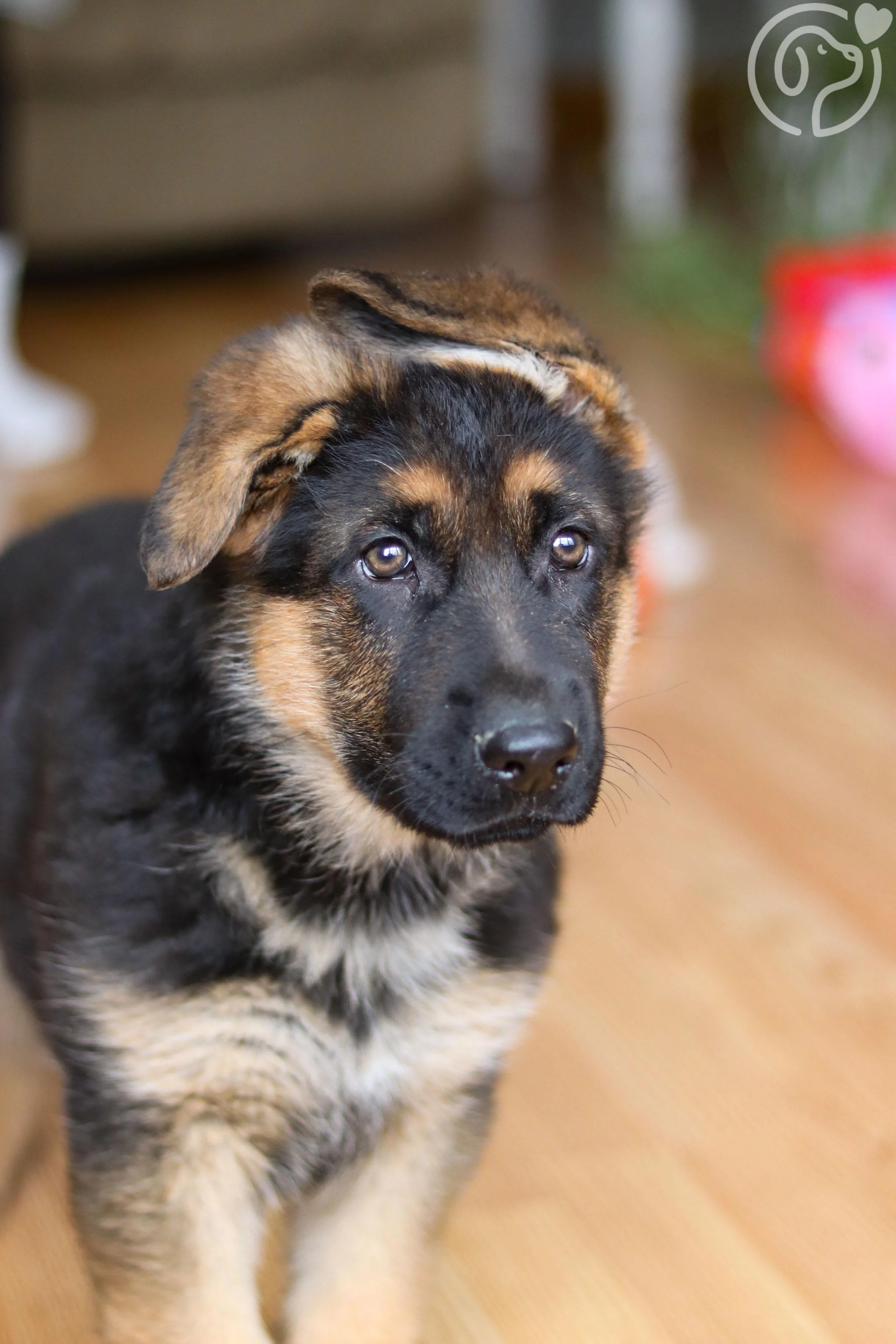
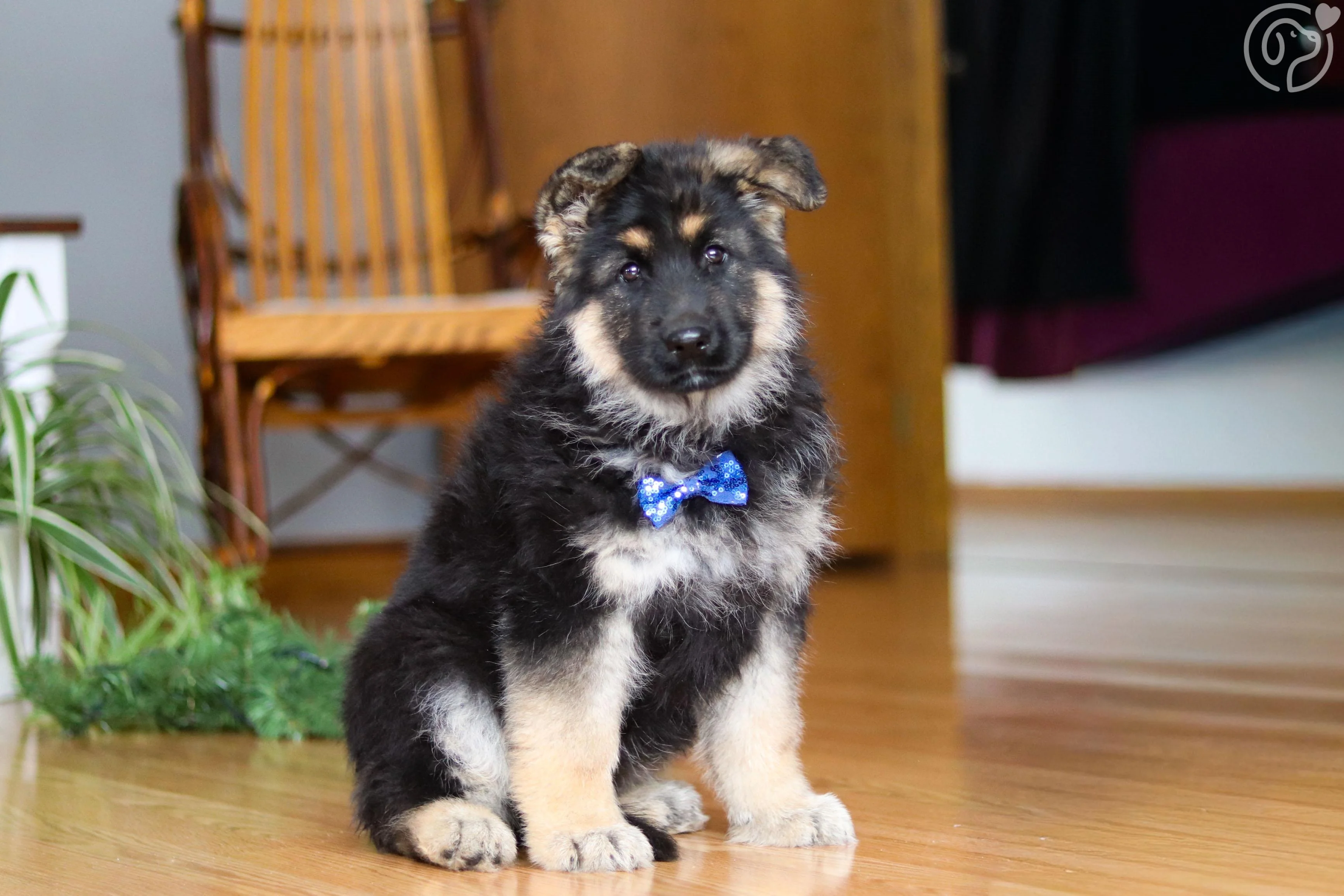
Available German Shepherd Puppies on HonestPet
Ready to welcome a German Shepherd into your family? Browse verified listings from trusted breeders on HonestPet.
Browse German Shepherd Puppies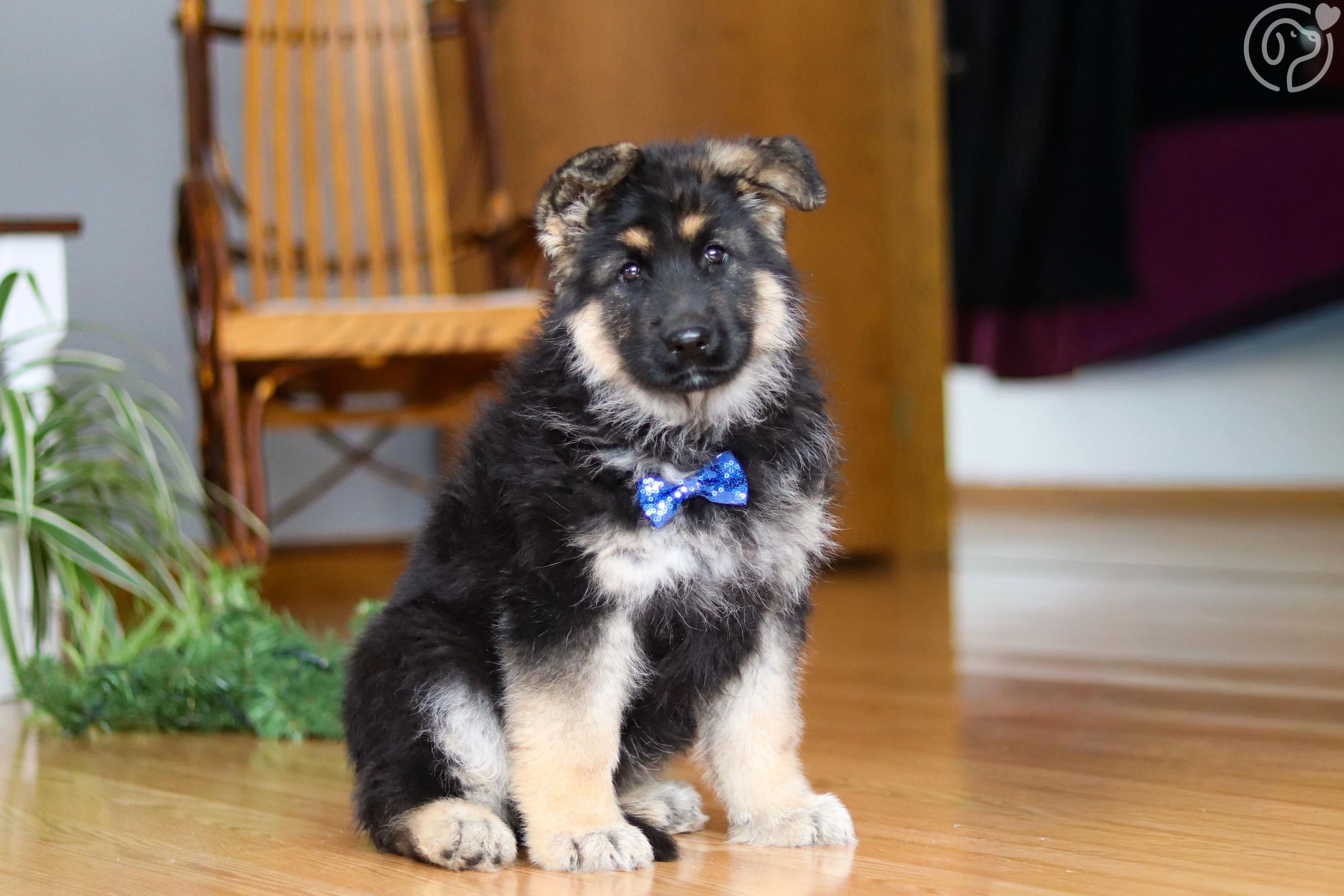
Frequently Asked Questions
Are German Shepherds good family dogs?
They can be excellent family companions when well-bred, well-socialized, and well-trained. They typically do best with owners who can provide structure and ongoing training.
Do German Shepherds need a lot of exercise?
Many are high-energy and need daily activity plus mental stimulation. Training, scent work, and structured play help meet their working-dog needs.
Are German Shepherds easy to train?
They’re often highly trainable and thrive with consistent, fair training methods. Early socialization is especially important to build confidence and stable behavior.
Do German Shepherds shed a lot?
Yes—shedding is usually substantial, with seasonal increases. Routine brushing helps manage coat and reduces loose hair at home.
What’s the difference between working-line and show-line German Shepherds?
Lines can differ in drive, energy needs, and physical traits. Ask breeders about temperament goals, activity level, and what type of household their dogs are best for.
What health testing should I ask a German Shepherd breeder about?
Ask for documentation of orthopedic screening and other breed-relevant testing appropriate to the parents’ ages. Responsible breeders explain results clearly and share verifiable records.
Are German Shepherds good with strangers?
Many are naturally watchful and may be reserved. Good socialization and training help them behave appropriately in public and around visitors.
How do I avoid puppy scams when buying a German Shepherd online?
Avoid sellers who won’t verify identity, won’t show live proof of the puppy and environment, or pressure you into fast payment. Documentation and transparency are non-negotiable.
Suggested Citations
- American Kennel Club: German Shepherd Dog breed information / ownership guidance
- German Shepherd Dog Club of America: Breed education resources
- Orthopedic Foundation for Animals (OFA): Hip dysplasia screening concepts
- Cornell University College of Veterinary Medicine: Canine hip dysplasia (CHD) overview
- American Kennel Club: Puppy scam consumer guidance (AKC + BBB warning)
Looking for a German Shepherd? Browse available German Shepherd puppies on HonestPet