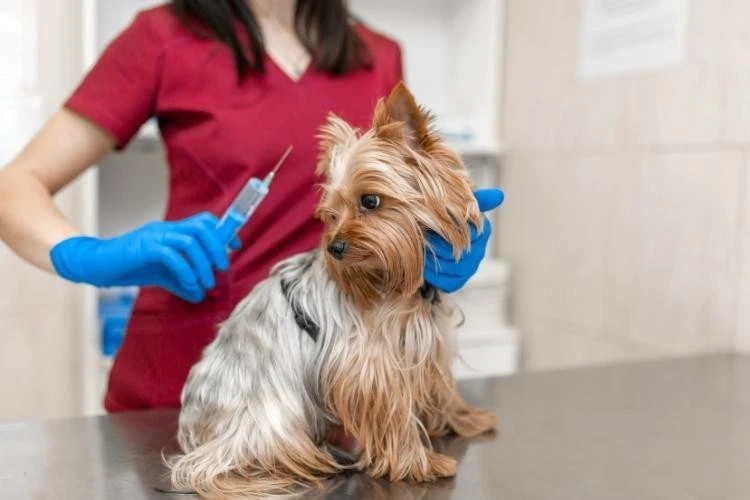

Yorkshire Terriers are affectionate, energetic little dogs with big personalities, silky coats, and loyal traits. They’re generally a healthy breed with long lifespans compared to other breeds. Most Yorkies live 11 to 15 years with proper care, professional veterinary assistance, and a good household environment.
Unfortunately, like any other breed, Yorkies are prone to certain health concerns. These often cause medical issues associated with their size, genetics, and breed physiology. Here’s a comprehensive overview of common health issues and how to keep your Yorkie pup healthy for years to come.
Key Takeaways
- ●Yorkshire Terriers tend to be very healthy dogs; however, due to their size, genetics, and toy-breed anatomy, they can develop certain health issues.
- ●The most common health concerns in Yorkies include dental issues, tracheal collapse, patellar luxation, liver shunt, kidney stones, and eye problems.
- ●Yorkie puppies are more likely to suffer from hypoglycemia (low blood sugar) and require consistent feeding throughout the day.
- ●Prompt diagnosis and regular visits to the vet can help manage health issues effectively before they become a problem.
- ●Regular tooth brushing, adequate exercise, proper nutrition, and maintaining an ideal body weight ensure good health for Yorkies.
- ●Buying a Yorkie puppy from reputable breeders and conducting health checks reduces the risk of certain genetic and inherited conditions.

Image by Lillisphotography from Getty Images Signature on Canva
Understanding Yorkshire Terrier Health Concerns
Although Yorkies are small dogs, that doesn’t mean their health care is simple. The following Yorkie features increase their likelihood of developing particular health issues compared to other dog breeds.
Factors that Make Yorkies Prone to Certain Health Conditions
There are different factors that predispose Yorkshire Terriers to specific health issues compared to other breeds. Some of these include:
- ●Small Mouths and Crowded Teeth: Yorkshire Terriers have very small jaws, which makes their adult and puppy teeth crowded. This makes it easier for plaque and tartar to accumulate, increasing the risk of dental disease, gum infections, bad breath, and tooth loss (American Veterinary Medical Association (AVMA), 2024).
- ●Delicate Airways: Yorkies are genetically predisposed to tracheal collapse, a condition in which the cartilage rings supporting the trachea weaken and flatten over time. This causes the characteristic dry, honking cough often associated with the breed (American College of Veterinary Surgeons (ACVS), 2023).
- ●Small Joints and Skeletal Structure: As a toy breed, the Yorkshire Terrier is more likely to develop patellar luxation, a congenital (birth defect) condition that affects the dog's knees. Their lightweight frame and naturally shallow knee grooves contribute to this common orthopedic issue (ACVS, 2023).
Puppy Health Concerns
Young Yorkies face unique health challenges because their bodies are still developing. These include:
- ●Low Blood Sugar (Hypoglycemia): Yorkie puppies have limited energy reserves and fast metabolisms. Missing meals, stress, illness, or excessive activity can rapidly lower blood sugar levels, leading to weakness, tremors, disorientation, or even seizures in severe cases (VCA Animal Hospitals, 2024).
- ●Liver Shunts: Yorkshire Terriers are commonly affected by congenital portosystemic shunts, often referred to as liver shunts. This birth defect prevents the liver from properly filtering toxins from the bloodstream, which can affect growth and neurological function (Merck Veterinary Manual, 2024).
Adult and Senior Yorkie Health Concerns
As Yorkies age, preventative care becomes increasingly important.
- ●Adult Yorkies: Dental disease, tracheal collapse, and patellar luxation are among the most common health problems seen in adult Yorkshire Terriers. Maintaining a healthy weight, providing regular exercise, and scheduling routine veterinary care can help reduce the impact of these conditions.
- ●Senior Yorkies: Older Yorkshire Terriers may develop cataracts, dry eye, progressive retinal atrophy, arthritis, dental disease, and age-related heart or liver conditions. Regular wellness exams support early detection, which helps many age-related health issues more effectively (American Kennel Club, 2024).
The Importance of Responsible Breeding
Responsible breeding reduces some inherited diseases. Ethical breeders screen breeding dogs, keep clear health records, and avoid pairing dogs with known serious genetic risks.
At Honest Pet, we work with trusted breeders who adhere to our strict ethical standards. This breeder transparency can give you peace of mind before bringing a Yorkie puppy home. We connect families with well-socialized Yorkshire Terrier puppies from ethical breeders who prioritize love, care, and responsible puppy placement.
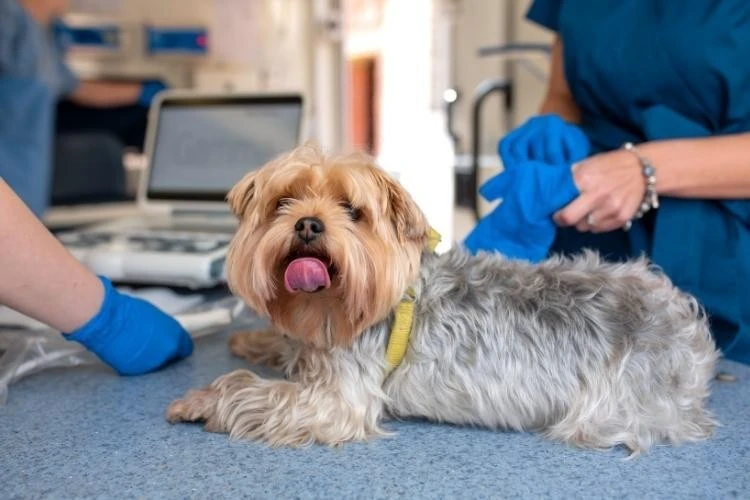
Image by TryMyBest on Canva
Common Yorkie Health Issues
Dental Disease
Dental disease is one of the most common health problems in Yorkshire Terriers. Small mouths leave less room for adult teeth, which can lead to crowding, trapped food, and plaque buildup.
Bad breath is often one of the first signs. Over time, untreated plaque can cause gum inflammation, pain, tooth loss, and infection. Cornell’s canine health resource notes that periodontal disease affects most dogs over age 3 and is more severe in smaller breeds.
Dental Care Tips
Brushing your dog's teeth daily helps remove plaque before it hardens into tartar. Use dog-safe toothpaste and a soft brush sized for toy breeds. Your vet may also recommend professional cleanings and dental x-rays if your Yorkie’s teeth look crowded or painful. Watch for bad breath, drooling, bleeding gums, loose teeth, and trouble chewing.
Collapsed Trachea
Tracheal collapse occurs when the dog’s trachea weakens and flattens, making airflow more difficult. It’s common in toy and small-breed dogs, including Yorkshire Terriers. Cornell Vet College describes it as a progressive condition that causes chronic coughing and may need long-term medical care. A collapsed trachea often causes a dry, honking cough, especially when the dog is excited, pulling on a collar, or breathing hard.
Prevention Strategies
Use a harness instead of a neck collar for walks. This helps reduce pressure on the dog’s trachea. Keeping your Yorkie at a healthy weight also matters because extra weight can worsen breathing symptoms. Mild cases may be managed with medications. Severe cases can become serious issues and may require surgery.
Luxating Patella
Patellar luxation means the kneecap slips out of place. Yorkies commonly experience medial patellar luxation, where the kneecap shifts inward. Symptoms include limping, skipping steps, bunny hopping, or reluctance to run or jump. Mild cases may improve with weight management, controlled exercise, and joint supplements. Severe cases may need surgery.
Liver Shunt
A liver shunt, also called a portosystemic shunt, is a serious condition in which blood bypasses the liver rather than flowing through it. Because the liver helps remove toxins, abnormal blood flow can allow toxins to build up in the body. Extrahepatic portosystemic shunts are more common in toy breeds, including Yorkshire Terriers.
Signs may include poor growth, weight loss, vomiting, disorientation, seizures, and stunted growth at a young age. Some cases can be managed with diet and medication, while severe cases may require surgery.
Bladder Stones
Bladder stones can cause urinary discomfort and pain. Signs often include frequent urination, blood in urine, accidents in the house, or straining. Good hydration, regular vet checks, and prompt care for urinary symptoms can help prevent complications.
| Condition | Symptoms | Severity | Treatment |
|---|---|---|---|
| Dental disease | Bad breath, gum inflammation, tooth pain, and tooth loss | Mild to serious | Brushing, professional cleanings, and tooth extractions |
| Collapsed trachea | Dry cough, breathing trouble | Mild to severe | Harness, weight control, medication, surgery |
| Luxating patella | Limping, skipping, knee pain | Mild to severe | Weight control, exercise changes, and surgery |
| Liver shunt | Poor growth, seizures, toxin buildup | Serious | Diet, medication, surgery |
| Bladder stones | Painful urination, blood in urine | Moderate to serious | Vet treatment, diet, surgery to remove stones |

Image by Amanda Henry from Getty Images on Canva
Low Blood Sugar in Yorkie Puppies
Low blood sugar, or hypoglycemia, is especially concerning in Yorkie puppies. Toy breed puppies have fast metabolisms and limited stored energy. A missed meal, stress, a long travel day, or too much play can cause blood sugar to drop. This is one reason new puppy routines matter. Our quick start guide can help you prepare for feeding, rest, and early care.
Signs of Hypoglycemia
Symptoms may include:
- ●Weakness
- ●Tremors
- ●Sleepiness
- ●Disorientation
- ●Wobbling
- ●Seizures
If left untreated, severe low blood sugar can lead to brain damage or even death.
How to Prevent Blood Sugar Crashes
Yorkie puppies should eat small, frequent meals. Many young puppies do best with meals spaced throughout the day, with no long gaps between feedings. Keep meals consistent, avoid overexertion, monitor your puppy after travel or stress, and call your vet right away if your puppy seems weak, shaky, or confused. Read our guide on tips and tricks for raising a puppy, which covers potty training, basic obedience training, socialization, and strategies for the initial adjustment period.
Eye Problems That Can Affect Yorkshire Terriers
Dry Eye
Dry eye happens when a dog doesn’t produce enough tears. It can cause redness, squinting, thick discharge, and discomfort. Your vet may use a tear test to check tear production.
Cataracts
Cataracts can cause cloudiness in the eye and vision changes. They’re more common in older Yorkies and can lead to blindness if they progress.
Tear Stains and Eye Irritation
Yorkies often develop tear stains at the corners of their eyes. Sometimes this is cosmetic, but staining with redness, odor, rubbing, or discharge may point to irritation or infection.
Warning Signs of Vision Loss
Call your vet if you notice squinting, redness, cloudiness, bumping into objects, or sudden changes in confidence. Eye problems can worsen quickly when left untreated.
Hemorrhagic Gastroenteritis and Other Digestive Health Concerns
What Is Hemorrhagic Gastroenteritis?
Hemorrhagic gastroenteritis causes sudden vomiting and bloody diarrhea. It can become dangerous quickly, especially in small dogs, because dehydration can develop fast.
Digestive Sensitivities in Yorkies
Some Yorkies have sensitive stomachs. Sudden diet changes, rich treats, stress, or eating something unusual may trigger vomiting or diarrhea.
When to Contact Your Vet Immediately
Call your vet right away if your Yorkie has bloody diarrhea, repeated vomiting, weakness, pale gums, belly pain, or signs of dehydration. Call your vet immediately if you notice the following signs:
- ●Trouble breathing
- ●Seizures
- ●Collapse
- ●Bloody diarrhea
- ●Repeated vomiting
- ●Severe pain
- ●Sudden vision loss
- ●Symptoms of hypoglycemia

Image by Phoenixns from Getty Images on Canva
How to Keep Your Yorkie Healthy for Years to Come
Routine Veterinary Checkups
Regular vet visits support early detection. Wellness exams, dental checks, vaccines, bloodwork, and X-rays, when needed, can catch health conditions before they become harder to treat.
Choose a reliable pet insurance to help you cover unexpected veterinary expenses for accidents, illnesses, or emergency treatment.
Weight Management
A healthy weight protects your Yorkie’s joints, knees, breathing, and overall comfort. Extra weight can worsen luxating patellas and tracheal collapse. Maintaining a healthy weight and providing regular low-impact exercise can help keep Yorkies comfortable and active into their senior years.
Nutrition and Exercise
Feed a balanced diet suited to your dog’s age and size. Yorkies still need daily exercise, even if they’re well-suited to apartment living. Short walks, gentle play, and safe indoor games help support a healthy life.
Dental Care and Grooming
Daily brushing protects your dog’s teeth, while regular grooming keeps the silky coat clean and comfortable. For coat care help, read our guide on Yorkshire Terrier grooming for brushing, bathing, coat care, hygiene tools, nail and dental care, and the best Yorkie haircuts for different lifestyles.
Choosing a Healthy Puppy
Choose a puppy from a responsible source that provides clear health records and breeder transparency. At Honest Pet, we share puppy wellness records and offer a health guarantee to help you find well-socialized, healthy Yorkshire Terrier puppies. We also providenationwide delivery, which ensures a stress-free journey with USDA-licensed couriers who provide hands-on care and constant monitoring from pickup to drop-off.
Frequently Asked Questions
What's the Most Common Disease in Yorkies?
Dental disease is one of the most common health problems in Yorkshire Terriers. In fact, dental disease affects about 80% of dogs by age 2, and Yorkies face an even greater risk due to their small mouths and crowded teeth. Without regular dental care, plaque and tartar can lead to bad breath, gum disease, pain, and tooth loss. Daily brushing, routine dental cleanings, and regular veterinary checkups can help your Yorkie enjoy a healthy life while reducing future vet bills.
Can a Collapsed Trachea Be Treated?
Many Yorkies with tracheal collapse respond well to medication, weight management, and lifestyle adjustments. Symptoms often include a dry cough that may become worse when a dog is excited, exercising, or pulling on a collar. Using a harness instead of a neck collar helps reduce pressure on the airway. Severe cases require advanced treatment or surgery, but many dogs continue to live comfortably with proper veterinary care.
Why Does My Yorkie Have Tear Stains?
Tear stains in Yorkshire Terriers often develop when tears overflow onto the fur around the eyes. Staining is a common problem caused by breed anatomy, mild irritation, blocked tear drainage, or underlying eye conditions. While many cases are cosmetic, call your vet if you notice signs of eye trouble, such as squinting, redness, discharge, or an unpleasant odor. Early treatment can help protect your dog's vision and overall eye health.
What's the Main Cause of Death in Yorkies?
Yorkshire Terriers can live 11 to 15 years or longer with good care. In senior dogs, age-related conditions such as heart disease, cancer, and severe organ disease are among the most common causes of death. Some Yorkies also develop serious inherited conditions, including liver shunts, which affect how the liver filters toxins from the blood supply. Regular veterinary exams and early detection give dogs the best chance of receiving treatment before problems become severe.
At What Age Do Yorkies Slow Down?
Most Yorkshire Terriers remain active well into their senior years, but many begin to slow down between 8 and 10 years of age. You'll notice less interest in vigorous exercise, longer recovery times, or increased stiffness after activity. Age-related conditions such as arthritis, medial patellar luxation (MPL), intervertebral disc disease, or other joint problems can contribute to reduced mobility. In some cases, conditions affecting the femoral head, thigh bone, or spinal cord also impact movement.
Which Foods Are Unsafe for Yorkshire Terriers?
Don't feed your Yorkie chocolate, grapes, raisins, onions, garlic, macadamia nuts, alcohol, xylitol-sweetened products, or large amounts of fatty foods. These foods can cause serious health issues ranging from digestive upset to liver damage and life-threatening poisoning. Because Yorkshire Terriers are small dogs, even small amounts of toxic foods can be dangerous.
Yorkie puppies are especially vulnerable because they are prone to hypoglycemia. Frequent feeding is important, and young puppies should generally eat at least every 4 to 6 hours to help maintain stable blood sugar levels. If your dog accidentally eats a toxic food, contact your veterinarian immediately.
Conclusion
Yorkshire Terrier health concerns sound worrying at first, but they're manageable with preventative care. If you notice the signs of dental disease, low blood sugar, liver shunt, collapsed trachea, luxating patella, eye problems, or digestive emergencies, schedule a visit to your veterinarian for prompt diagnosis.
Regular vet visits, daily dental brushing, a balanced diet, safe exercise, and responsible breeding can help Yorkies live healthy, happy lives. If you’re still looking for a perfect Yorkie puppy, we can connect you with well-socialized puppies from trusted breeders, with clear health records, compassionate support, and peace of mind from day one.
References
- ●American College of Veterinary Surgeons. (2023). Patellar luxation in dogs. American College of Veterinary Surgeons.
- ●American College of Veterinary Surgeons. (2023). Tracheal collapse in dogs. American College of Veterinary Surgeons.
- ●American Kennel Club. (2024). Yorkshire Terrier dog breed information. American Kennel Club.
- ●American Veterinary Medical Association. (2024). Pet dental care. American Veterinary Medical Association.
- ●Cornell University College of Veterinary Medicine. (n.d.). Canine dental disease. Cornell University College of Veterinary Medicine.
- ●Cornell University College of Veterinary Medicine. (n.d.). Tracheal collapse in dogs. Cornell University College of Veterinary Medicine.
- ●Merck Veterinary Manual. (2024). Portosystemic shunts in small animals. Merck & Co., Inc.
- ●VCA Animal Hospitals. (2024). Hypoglycemia in dogs. VCA Animal Hospitals.
Ready to Get Started?
Find your perfect puppy and start your journey today!