

Calm dogs bring less chaos, fewer frantic moments, and more quiet company at your feet while you work, read, or spend time with family. But even the calmest dog breeds still need walks, training, care, and mental stimulation. Your calm and laid-back dog can still bark when bored, chew when anxious, or become restless without enough exercise.
This guide highlights calm dog breeds for apartments, families, seniors, and first-time owners. It also explains the necessary information about grooming, exercise, and temperament to help you choose a particular dog whose needs fit your lifestyle.
Key Takeaways
- ●Even the most calm dog breeds require daily walks, training sessions, mental exercises, and lots of love.
- ●Calm, silent, and low energy are not synonymous terms. Before deciding what kind of dog to get, take into account a dog's temperament, exercise requirements, and be sure that it fits with your lifestyle.
- ●Cavalier King Charles Spaniel, French Bulldog, Shih Tzu, Cavapoo, and Miniature Poodle breeds are well-suited to apartment living, seniors, and first-time owners.
- ●Golden Retriever, Bernese Mountain Dog, Newfoundland, and Saint Bernard breeds make wonderful pets for families due to their friendly disposition and patience. That being said, they are much larger dogs.
- ●Each dog has a unique character, even if they come from the same breed. Proper training and socializing can lead to a great companion.
- ●The best puppy is the one that fits into your family and lifestyle best.
- ●Choosing a puppy from trusted, ethical breeders gives you peace of mind and sets the foundation for a happy life together.

Calm, Quiet, or Low-Energy: What's the Difference?
Calm vs. Quiet vs. Low-Energy
The terms calm, quiet, and low-energy are often used interchangeably, but they don't mean the same thing. A calm dog breed generally has an even temperament and recovers quickly from excitement. They tend to adapt well to everyday routines and are less likely to be overstimulated.
Quiet dog breeds tend to bark less. A generally quiet dog can still be playful and energetic, while a vocal breed may have a gentle personality. Low-energy dogs require less intense physical activity than some other dog breeds. They still enjoy walks or playtime, but prefer moderate exercise over long hikes or demanding dog sports.
Most calm dog breeds share qualities from all three categories, which is why they're often recommended if you want a companion that fits a more relaxed lifestyle.
Temperament
Genetics, socialization, training, environment, and life experiences contribute to a dog’s temperament. This means that two puppies from the same breed can develop different personalities.
Early exposure to people, other animals, and everyday situations helps dogs build confidence. Consistent training teaches appropriate behavior. A calm puppy still needs boundaries and guidance. This is why responsible sourcing matters so much.
At HonestPet, we partner with trusted breeders who adhere to our strict ethical standards and prioritize health, temperament, and compassionate care from the very beginning. These early experiences often shape the temperament of the dog you bring home.
The Most Calm Dog Breeds to Consider
There's no dog breed that's completely silent or maintenance-free. However, these calm breeds have earned reputations for gentle demeanors, adaptable personalities, and more laid-back approaches to daily life.
| Breed | Size | Barking Tendencies | Grooming Needs | Exercise Needs |
|---|---|---|---|---|
| Cavalier King Charles Spaniel | Small | Low | Moderate | Daily walks |
| Basset Hound | Medium | Moderate | Low | Moderate exercise |
| French Bulldog | Small | Low | Low | Short walks |
| Clumber Spaniel | Medium-Large | Low | Moderate | Daily walks |
| Golden Retriever | Large | Moderate | Moderate | Regular activity |
| Bernese Mountain Dog | Large | Low | High | Moderate exercise |
| Greyhound | Large | Low | Low | Short bursts |
| Great Dane | Giant | Low | Low | Daily movement |
| Saint Bernard | Giant | Low | Moderate | Moderate exercise |
| Newfoundland | Giant | Low | High | Daily walks |
| Cavapoo | Small-Medium | Low | Moderate | Moderate exercise |
| Shih Tzu | Small | Low | High | Daily walks |
| Miniature/Toy Poodle | Small | Moderate | High | Moderate exercise |
| Bulldog | Medium | Low | Low | Moderate exercise |
| Whippet | Medium | Low | Low | Short bursts |
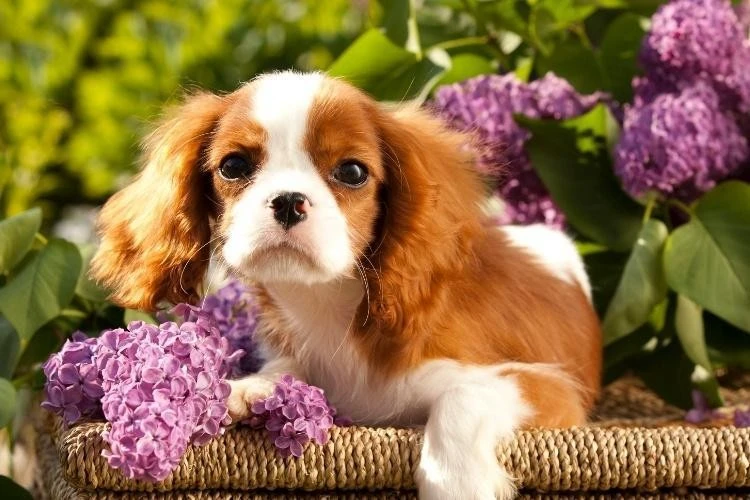
Image by Liliya Kulianionak from Getty Images on Canva
1. Cavalier King Charles Spaniel
The Cavalier King Charles Spaniel is often considered one of the calmest breeds for first-time owners. Affectionate, highly adaptable, and eager to please, these sweet companions thrive in many living situations.
Cavalier King Charles Spaniels enjoy being close to their favorite people. They're equally happy curling up beside you on the sofa or joining you for gentle walks through the neighborhood. Their gentle temperament and intelligent nature make them excellent companions for seniors and families with children.

Image by Elles Rijsdijk on Canva
2. Basset Hound
The Basset Hound embodies the phrase laid back. Known for their soulful eyes and easygoing personality, Basset Hounds tend to take life at their own pace. They're affectionate with family members and generally patient with children.
Because they were originally bred as scent hounds, they enjoy sniffing adventures during walks. Moderate exercise is important, as Basset Hounds are prone to weight gain if they become too sedentary. Their calm demeanor makes them appealing to people seeking chill dogs that don't require intense exercise.
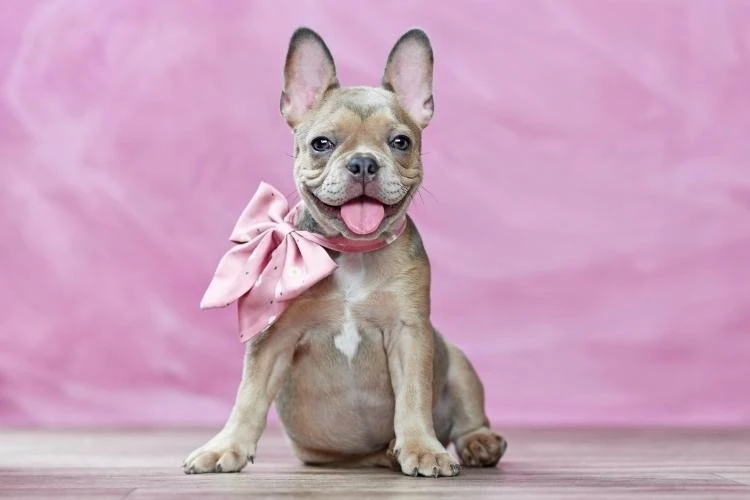
Image by Firn on Canva
3. French Bulldog
French Bulldogs have become favorites among apartment dwellers for good reason. These smaller dogs are affectionate, adaptable, and generally quiet. They form strong bonds with their families and often prefer companionship over constant activity. Although French Bulldogs enjoy playtime and daily walks, they usually don't require long hikes or vigorous exercise routines.
If this breed feels like the perfect match, we can connect you with well-socialized French Bulldog puppies from ethical breeders. Our French Bulldogs are compact and muscular, typically weighing 16-28 pounds and standing 11-13 inches tall, with short, smooth coats in colors such as fawn, cream, brindle, and pied.

Image by Manish Sharma from Pexels on Canva
4. Cavapoo
Cavapoos blend the affectionate personality of the Cavalier King Charles Spaniel with the intelligence of the Poodle. They're highly adaptable companions that often fit comfortably into apartments, family homes, and quieter households. They also tend to be eager to please and respond well to positive training.
Moderate exercise, mental stimulation, and close companionship usually suit them perfectly. Their soft, curly coat requires regular grooming, but many parents happily consider it part of the joy of caring for such a loving pet.
If a Cavapoo sounds like the perfect match for your family, we make it easier to bring home a puppy you can feel confident about. Our Cavapoo puppies come from trusted, verified breeders who prioritize health, early socialization, and compassionate care from the very beginning.
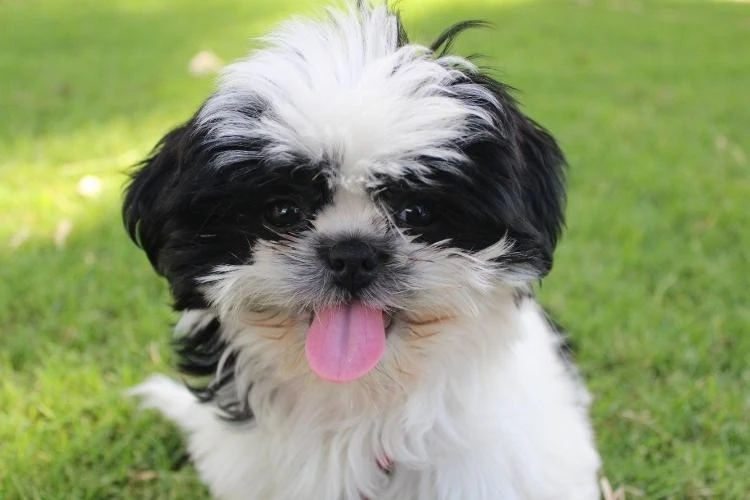
Image by Palmershots from Getty Images on Canva
5. Shih Tzu
Originally bred as companion dogs, Shih Tzus are affectionate lap dogs who enjoy spending time with their people and generally adapt well to a more relaxed lifestyle. They typically prefer shorter walks and moderate play sessions over demanding activities.
Their gentle temperament often appeals to seniors, remote workers, and apartment residents. They also need regular grooming to help keep their beautiful coats healthy and comfortable.
If you're looking for a devoted companion with a sweet nature, our Shih Tzu puppies are ready to bring plenty of love into your home. They come from trusted, verified breeders, and we provide ongoing support to help your puppy settle in comfortably.
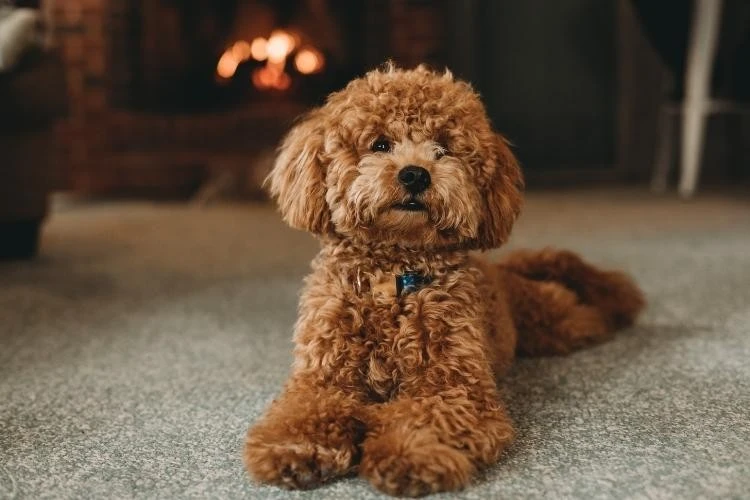
Image by Steven Van Elk from Pexels on Canva
6. Miniature and Toy Poodle
Miniature and Toy Poodles are exceptionally intelligent. While they possess more energy than some calm breeds, many settle beautifully into family routines when you meet their needs. They thrive with training, enrichment, and moderate exercise.
Puzzle toys, sniff walks, and short learning sessions help channel their energy and keep their minds engaged. They're easy to train, making them an excellent choice for first-time owners willing to provide both companionship and structure.
Bring home a puppy that's eager to learn and easy to love. Our Miniature and Toy Poodle puppies come from verified breeders who prioritize health, socialization, and lifelong wellbeing.
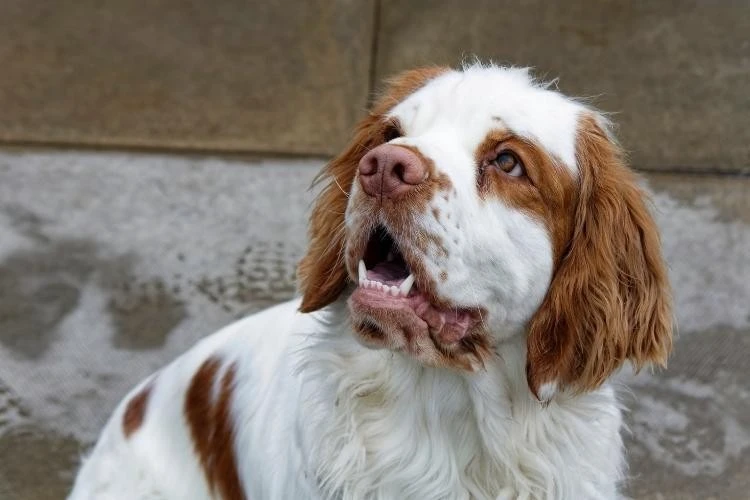
Image by DNTaylor from Getty Images on Canva
7. Clumber Spaniel
The Clumber Spaniel isn't as widely recognized as other dog breeds, but it's one of the calmest spaniels you'll encounter. Even-tempered and family-focused, Clumber Spaniels typically approach life with quiet confidence. They enjoy spending time with their people and usually adapt well to households with children.
Their exercise needs are moderate. Daily walks and opportunities for mental stimulation help keep them content. You should also prepare for regular grooming, as their beautiful coats require ongoing care.

Image by Elisabeth Coelfen on Canva
8. Golden Retriever
Golden Retrievers remain one of the world's most beloved family dogs. Friendly, patient, and eager to please, they often fit beautifully into active family life. Their gentle demeanor around children contributes to their reputation as great family pets.
Despite their calm temperament, Golden Retrievers still need regular exercise, training, and opportunities to engage their intelligent minds. If you're willing to invest time and care, they can be exceptionally loyal companions.
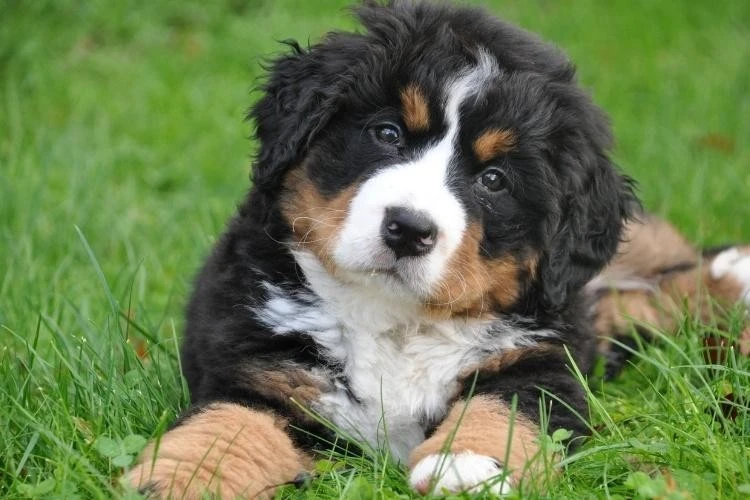
Image by NadineDoerle from Pixabay on Canva
9. Bernese Mountain Dog
Bernese Mountain Dogs are classic gentle giants. These affectionate dogs often form deep bonds with their families and are especially patient around children. Their calm nature makes them appealing to households seeking a larger breed with a softer disposition.
Moderate exercise and regular walks support both physical health and emotional wellbeing. Because of their thick coats, grooming is also part of routine care. Their sweet personalities frequently outweigh the extra brushing sessions.
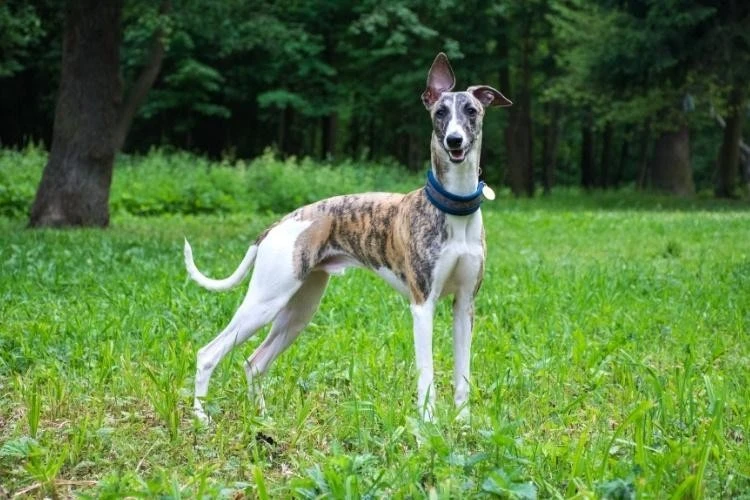
Image by Natalia Timchenko from Getty Images on Canva
10. Greyhound
Greyhounds often surprise people. Despite their history as racing dogs, many Greyhounds spend much of their time acting like professional couch potatoes. Indoors, they're usually calm, quiet, and content to relax nearby.
They still appreciate opportunities for short bursts of exercise and secure areas where they can stretch their legs safely. If you're living in an apartment and want larger, quieter dogs, Greyhounds deserve serious consideration.

Image by Bernard Sinai from Getty Images on Canva
11. Great Dane
The Great Dane's enormous size often creates the wrong impression. In reality, these gentle giants frequently display calm, affectionate personalities. Many Great Danes are deeply devoted to their families and surprisingly relaxed at home.
Their size does bring practical considerations. They require space, training, and substantial financial commitment. While they can fit into a more laid-back lifestyle, Great Danes still need daily movement and benefit from one to two hours of activity spread throughout the day.
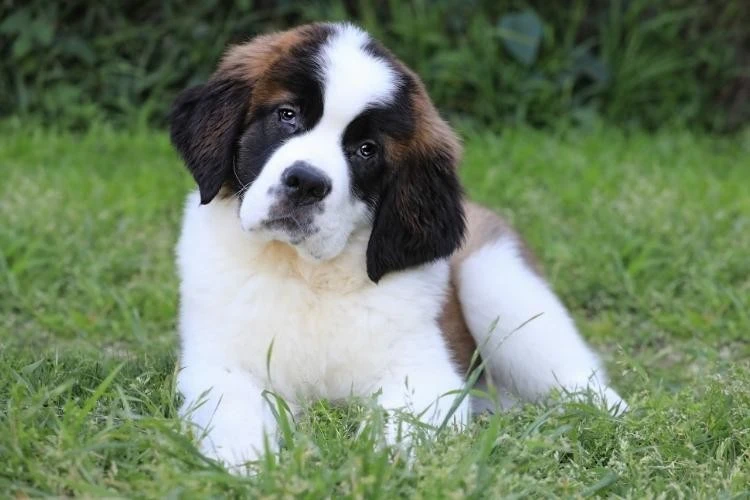
Image by Tobkatrina on Canva
12. Saint Bernard
Saint Bernards have long been celebrated as nanny dogs. Known for their calm demeanor and patient approach with children, these gentle giants often thrive in family environments. Their affectionate personalities make them wonderful companions for people seeking steadier energy levels.
Saint Bernards require moderate daily exercise to support healthy joints and weight management. You can expect shedding, drool, and plenty of love if they're happy, healthy, and active.
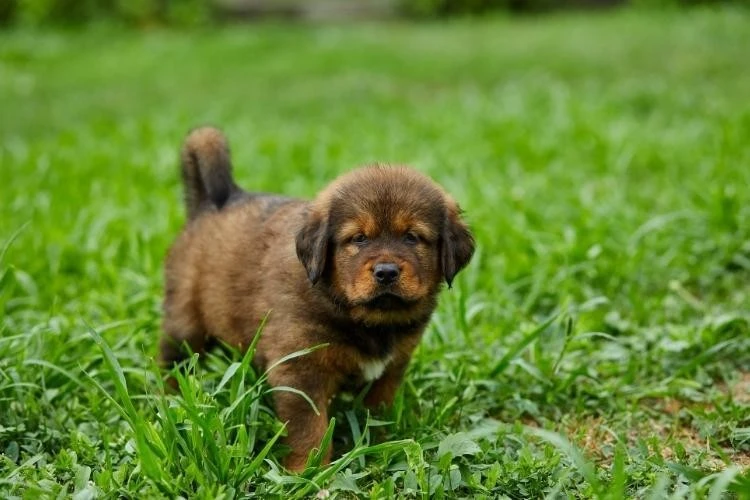
Image by Bondarillia on Canva
13. Newfoundland
Newfoundlands combine impressive size with remarkable gentleness. Often described as nanny dogs because of their sweet interactions with children, these devoted companions build strong family bonds and typically exhibit tremendous patience.
Newfoundlands can weigh up to 150 pounds, so training and early socialization remain important. Daily walks, grooming, and plenty of affection help these calm dogs thrive.
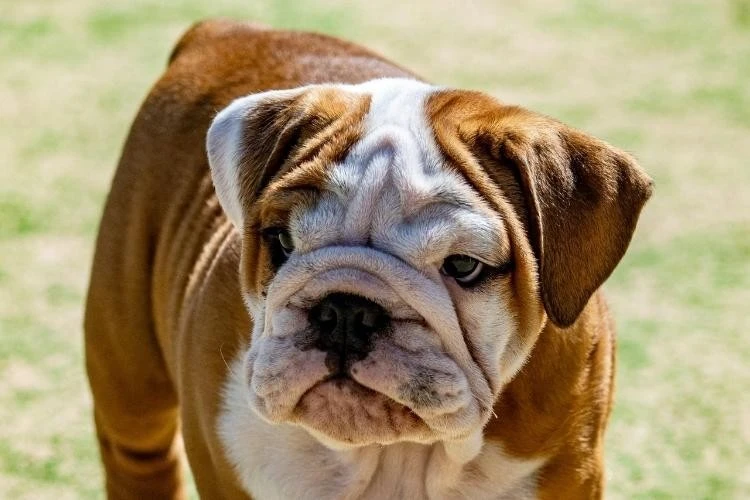
Image by Franco Monsalvo from Pexels on Canva
14. English Bulldog
Bulldogs are famous for their patient personalities. Generally calm and affectionate, they prefer spending time with family rather than participating in strenuous activities. Their moderate exercise needs make them suitable for people seeking a low-energy dog with a loving nature.
Because Bulldogs can be prone to certain health problems, responsible breeding practices are a very important factor to consider. Well-socialized Bulldogs from ethical breeders often become devoted and easygoing companions with proper care.
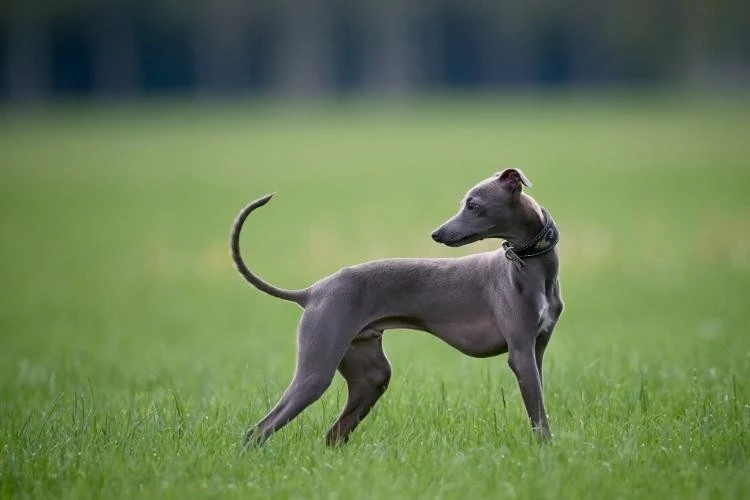
Image by Kurt Pas from Getty Images on Canva
15. Whippet
Whippets offer many of the same qualities that make Greyhounds popular. These elegant dogs enjoy short bursts of exercise followed by extended periods of relaxation. Indoors, they're often gentle, quiet, and content to lounge with their families.
Their moderate size makes them especially appealing to households seeking calm dogs without the space requirements of giant breeds. Whippets prove that athletic ability and a laid-back lifestyle can coexist.
Which Calm Dogs Fit Your Lifestyle?
Choosing the most calm dog breeds becomes much easier when you start with your daily routine rather than appearance. The right breed for a retired couple may not be the perfect match for a busy family with young children.
Best Calm Dogs for Apartments
Apartment living often calls for dogs that are generally quiet, highly adaptable, and comfortable in smaller spaces. French Bulldogs are the best calm dogs for apartment dwellers thanks to their affectionate nature and lower tendency to bark. Cavalier King Charles Spaniels also thrive in apartments, provided they receive daily walks and companionship.
Shih Tzus, originally bred as companion dogs, are another excellent fit. They enjoy a relaxed lifestyle and don't require large gardens to be happy. Cavapoos also adapt well to urban living and often settle into apartment routines with ease. Whippets, despite their athletic appearance, are surprisingly calm indoors and can flourish in flats with regular exercise.
Best Calm Dogs for Families
Families often look for great family pets that combine patience with playfulness. Golden Retrievers continue to earn their reputation as one of the best family dogs. Their gentle temperament and eagerness to please make them wonderful companions for children.
Bernese Mountain Dogs are affectionate, gentle giants that bond deeply with their people. Newfoundlands and Saint Bernards, both known as nanny dogs, can also be exceptional additions to family homes with proper training and socialization.
Best Calm Dogs for Seniors
Seniors often prefer calm dogs that provide companionship without demanding intense physical activity. Cavalier King Charles Spaniels excel in this role thanks to their affectionate personalities and moderate exercise needs. Basset Hounds offer a laid-back approach to life and enjoy leisurely walks.
Shih Tzus thrive on closeness and routine, while Miniature and Toy Poodles combine intelligence with adaptability, making them rewarding companions for active retirees.
Best Calm Dogs for First-Time Owners
For new dog owners, temperament and trainability often matter just as much as energy levels. French Bulldogs are easygoing and adaptable. Cavalier King Charles Spaniels are eager to please and relatively straightforward to train.
Cavapoos frequently inherit the best traits of both parent breeds, while Miniature and Toy Poodles reward consistency with impressive responsiveness.
Other Small Breeds Worth Considering
Yorkshire Terriers, Dachshunds, Chihuahuas, and Pomeranians aren't typically ranked among the calm dog breeds. However, they can still be wonderful companions for the right households. Yorkies are loyal and adaptable. Dachshunds are affectionate and brave. Chihuahuas bond closely with their people, and Pomeranians are bright and loving. They simply tend to be more alert, vocal, or spirited than the breeds featured above.
Calm Dogs Still Need Exercise and Mental Stimulation
Daily Activity Requirements
One of the biggest misconceptions about calm dogs is that they don't need exercise. Daily walks help prevent obesity, support joint health, and reduce boredom-related behaviors. Basset Hounds benefit from moderate exercise to maintain a healthy weight. Saint Bernards require regular activity to stay fit, while Great Danes need consistent movement despite their relaxed personalities.
Even low-energy dogs require enough exercise to stay physically and emotionally healthy. The exact amount varies depending on breed, age, and individual energy levels. Skipping exercise altogether can lead to frustration, restlessness, and destructive habits.
Mental Enrichment Ideas
Mental stimulation is just as important as physical exercise. Consider the following mental enrichment ideas:
- ●Short training sessions to reinforce good manners and strengthen your bond.
- ●Puzzle feeders to encourage problem-solving.
- ●Sniff walks allow dogs to engage with the world using their strongest sense.
- ●Rotating toys to prevent boredom.
- ●Teaching new cues to keep intelligent breeds engaged.
Remember that calm doesn't mean inactive. Even the quietest dog breeds need daily exercise, socialization, and opportunities to use their minds.
Choosing Your Puppy Responsibly
Ethical Sourcing Matters
Temperament begins long before your puppy comes home. Responsible breeders prioritize health testing, early socialization, and thoughtful breeding practices. These efforts can influence confidence, resilience, and overall wellbeing.
At HonestPet, our puppies come with a health guarantee, digital health records, lifetime training support, and safe nationwide delivery options, so you can focus less on the logistics and more on welcoming your new best friend home.
Questions to Ask Before Bringing a Puppy Home
Before choosing a puppy, ask yourself the following questions:
- ●Does this breed fit my living situation?
- ●Can I meet the dog's exercise and grooming needs?
- ●How much time can I dedicate to training?
- ●Will this dog's personality suit my family?
- ●Am I prepared for long-term financial and emotional responsibility?
If you're preparing for life with a new puppy, read our guide on practical tips and tricks for raising a puppy for potty and basic obedience training, socialization, and strategies for the initial adjustment period.
Frequently Asked Questions
Which Calm Dogs Are Good with Kids?
Golden Retrievers, Bernese Mountain Dogs, Newfoundlands, and Saint Bernards coexist peacefully with children because of their patient, gentle temperaments. Many families also appreciate how these breeds bond with other family members and settle into daily routines. Even so, every dog has its own personality. Early socialization, supervision, and teaching children how to interact respectfully with pets can help create positive relationships.
Which Dogs Bark the Least?
Greyhounds, French Bulldogs, Cavalier King Charles Spaniels, and Whippets are generally quieter than many other breeds. Training, environment, and a dog's personality also influence barking habits. Dogs that receive enough exercise, companionship, and mental stimulation are often less likely to bark out of boredom or frustration.
What Are Calm Small Dog Breeds?
If you're looking for a smaller companion, Cavalier King Charles Spaniels, French Bulldogs, Shih Tzus, Cavapoos, and Miniature Poodles are excellent options. These breeds typically adapt well to apartment living and enjoy a more relaxed lifestyle. However, they still appreciate daily walks, playtime, and plenty of affection from their people.
Are Calm Dogs Easier to Train?
Many calm breeds respond well to training because they can focus and recover quickly from excitement. However, temperament alone doesn't guarantee an easy experience. Consistency, positive reinforcement, and patience matter just as much. Even intelligent, eager-to-please dogs benefit from clear instructions and regular practice.
Can Calm Dogs Become Destructive?
Calm dogs still need physical activity, mental enrichment, and companionship. Without enough exercise or stimulation, they may chew furniture, dig in the garden, or bark excessively. Daily walks, training sessions, puzzle toys, and quality time can help prevent boredom-related behaviors.
Are Calm Dogs Good Therapy Pets?
Many calm breeds are good therapy dogs because they often remain composed around strangers and unfamiliar environments. Breeds such as Golden Retrievers, Cavalier King Charles Spaniels, and even the gentle Irish Wolfhound have found success in therapy work. That said, temperament matters more than breed alone. Confidence, trainability, and a genuine enjoyment of meeting new people are often the best qualities for good therapy pets.
Conclusion
Calm dog breeds can bring comfort, companionship, and a wonderful sense of steadiness to everyday life. From the affectionate Cavalier King Charles Spaniel to the gentle giant Newfoundland, there's no single best breed for everyone. The perfect match is the dog whose personality, exercise needs, grooming requirements, and energy levels align with your home and lifestyle.
Remember that every dog has their own personality. Breed tendencies provide guidance, but training, socialization, and compassionate care shape who your puppy becomes.
At HonestPet, finding your new companion starts with trust. Through verified breeders, digital health records, lifetime support, and thoughtful delivery options, we connect families with well-socialized, loyal companions. This can give you the peace of mind to focus on building a loving relationship with your newest family member.
Ready to Get Started?
Find your perfect puppy and start your journey today!