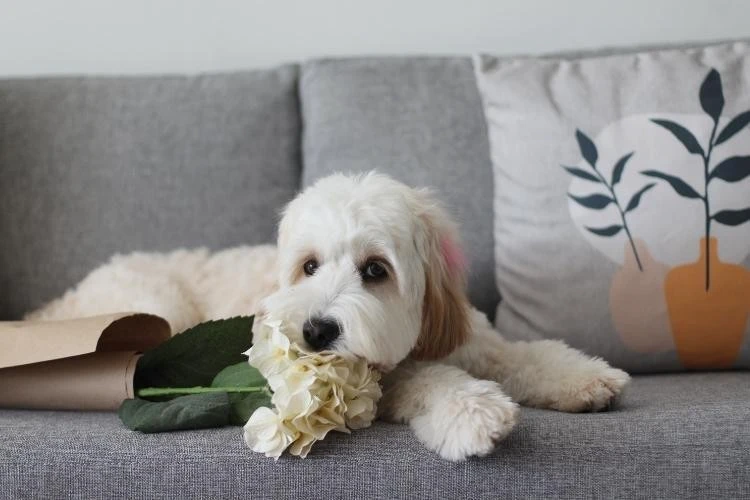
You can expect a Cavapoo puppy to follow you into the kitchen, wait outside the bathroom, and watch you closely as you pick up your keys. After that, as soon as you shut the door, they begin to whine. If you're familiar with this, don't worry. Cavapoos are loving companions, and most don't like being left alone. This can result in separation anxiety since they form strong bonds with their favorite people.
As with other dogs, you can teach Cavapoos to be safe and confident when left alone with care, routine, and proper training. This guide explains what causes separation anxiety, the signs to watch for, how long you can leave Cavapoos alone, and some great ways to help your furry friend feel safe.
Key Takeaways
- ●Cavapoos are loving, family-oriented dogs that are more susceptible to separation anxiety issues because they form close bonds with their favorite people.
- ●Early socialization and positive experiences help Cavapoo puppies develop confidence and can minimize the risk of anxiety later in life.
- ●Common symptoms of separation anxiety include excessive barking, pacing, escape from home, house soiling, and destructive behavior when left home alone.
- ●Small periods of isolation, about 1 to 2 hours, are acceptable for Cavapoo puppies, and most adult Cavapoos can manage 4-6 hours of alone time with proper training.
- ●Help your Cavapoo feel more secure through gradual training, positive reinforcement, enrichment activities, and a safe place.
- ●If your Cavapoo's symptoms are severe, worsening, or affecting quality of life, seek help from your veterinarian or a qualified behavior professional.
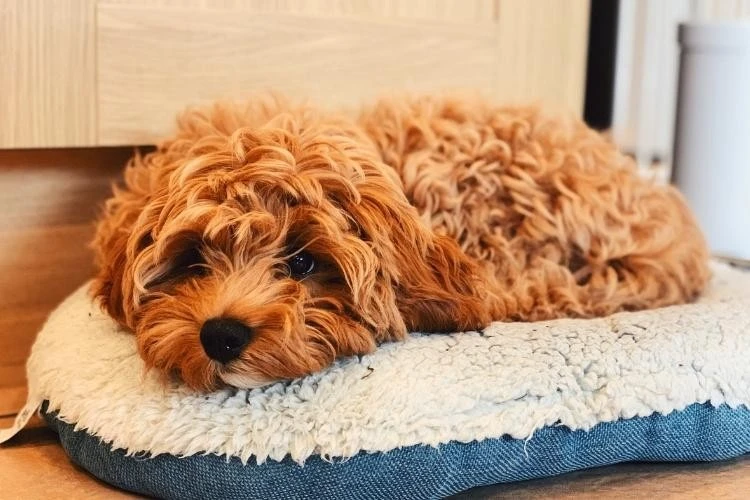
Image by Craigdfreeman from Getty Images on Canva
What Causes Cavapoo Separation Anxiety?
Cavapoos are hybrids of the Cavalier King Charles Spaniel and the Poodle, a mix that makes them wonderful companions. The American Kennel Club (AKC) describes the Cavalier King Charles Spaniel as a "sweet, gentle, and affectionate breed, very eager to please their human," while noting that Poodles are "wickedly smart" and "people-oriented."
Cavapoos often inherit these people-focused characteristics from both parent breeds. They're affectionate, bright, playful, and eager to be close to their people. That's why they experience separation anxiety when left alone for extended periods.
Strong Bonds and People-Focused Temperaments
A Cavapoo’s affectionate nature is one of the biggest reasons families love the breed. Many Cavapoos thrive on closeness, consistent routines, and daily interaction. They always want to sit beside you, nap near your feet, or follow you from room to room.
This love is sweet, but it can become stressful if your Cavapoo never learns to be independent. A dog who always has company struggles when left alone, even for short periods.
Early experiences matter
A Cavapoo’s early life can affect its confidence. According to the American Veterinary Society of Animal Behavior (AVSAB), the first three months of a puppy's life represent the most important period for socialization and behavioral development. The AVSAB notes that incomplete or improper socialization during this critical window can increase the risk of behavioral problems later in life, including fear and avoidance behaviors.
As a result, puppies who miss early socialization, come from poor breeding environments, or spend their first weeks without gentle handling often experience higher anxiety levels later. This is why puppies need those early positive experiences to help them feel safer as they grow.
At HonestPet, our Cavapoo puppies come from verified breeders who adhere to strict ethical standards focused on health, care, early handling, and stable beginnings. Every pup comes vet-checked and vaccinated, with a health guarantee, 30 days of pet insurance coverage, a veterinary helpline, and lifetime training and support.
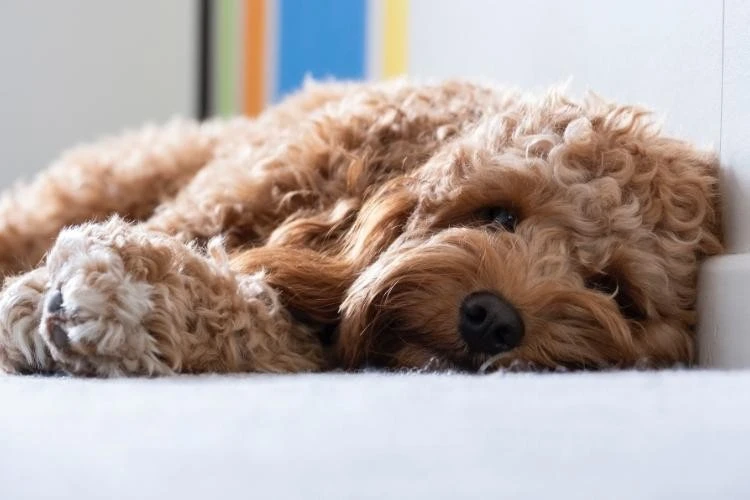
Image by Chris James from Getty Images on Canva
Signs of Cavapoo Separation Anxiety
A little whining when you leave doesn’t always indicate severe separation anxiety. Puppies often protest while they adjust to a new home. What matters is the pattern. Cavapoos experience separation anxiety when you leave them alone, or they notice departure cues, such as shoes, keys, bags, or coats.
Common Signs of Cavapoo Separation Anxiety
Signs may include excessive barking, howling, or whining. Some Cavapoos scratch at doors or windows, chew baseboards, or start chewing furniture. Others show stress through pacing, heavy panting, drooling, trembling, or trying to escape.
Indoor accidents can also happen. If your Cavapoo urinates or defecates inside despite potty training, they may be experiencing separation anxiety.
When Signs Indicate More than Boredom
Bored dogs usually settle once they find something to do. An anxious dog often can't relax. If the behavior starts soon after you leave, repeats regularly, or happens even when toys, treats, and comfort items are available, it may be separation anxiety. A Cavapoo showing signs early needs a gentler training plan before the problem grows.
Image by TrueCreatives on Canva
How Long Can Cavapoos Be Left Alone?
You can leave Cavapoos alone, but the duration depends on age, training, confidence, and the individual dog.
Puppies vs. Adult Cavapoos
Don't leave Cavapoo puppies alone for more than 2 hours. Young puppies need bathroom breaks, comfort, food, and help learning that the world around them is safe. They can manage 2 to 3 hours with training.
Adult Cavapoos can manage 4 to 6 hours when they’re comfortable, well-exercised, and used to the routine. Dogs with Cavapoo separation anxiety need shorter absences at first. For severe cases, even just a few minutes can feel overwhelming for your dog.
Build Alone Time Gradually
Start small. Leave for a few minutes, then come back calmly. Gradually increase the duration only when your Cavapoo stays relaxed.
Avoid jumping from 10 minutes to several hours. That sudden change can trigger stress and erode progress. Read our new puppy quick start guide to keep your puppy healthy, safe, and well-adjusted. It covers the basics, like health, nutrition, potty training, and how to handle play-biting.
Image by Christie Cooper from Getty Images on Canva
Managing Separation Anxiety With Gentle Training
Managing separation anxiety takes patience. The goal isn't to “toughen up” your Cavapoo, but to teach them that your absence is temporary and safe.
Start Training from Day One
Begin with short absences while your puppy is calm. Step into another room, close a door for a moment, then return without fuss. Use positive reinforcement when your Cavapoo settles. A treat, soft praise, or a calm chew toy can help create positive associations with alone time.
Keep goodbyes and returns low-key. Big emotional exits can raise anxiety before you even leave. For more breed-specific guidance, read our guide on Cavapoo temperament and training.
Create a Safe Space
Some Cavapoos feel secure in a cozy crate. Others prefer a gated room or puppy pen. The best safe space is the one where your dog can relax.
Add a soft bed, water, familiar scents, safe toys, and background noise from a radio or television. Crate training can help some dogs, but don't force it. If the crate increases barking, scratching, or panic, try a pen or small room instead.
Use Exercise and Enrichment Before Leaving
Physical exercise can reduce anxiety by helping your Cavapoo release energy before alone time. A short walk, play session, sniffing game, or gentle training session can make rest more likely.
Mental stimulation matters too. Treat dispensing toys, puzzle feeders, or a safe chew can keep your Cavapoo engaged. High-value treats can also help create positive associations with your departure. Read our guide on tips and tricks for raising a puppy for more practical steps on how to teach your Cavapoo independence.
When to Get Professional Help
If your Cavapoo’s anxiety is severe, worsening, or causing injury, seek professional advice. A veterinarian can also rule out health issues and discuss whether medication can help. A certified trainer or veterinary behaviorist can also build a plan for both you and your dog.
Severe separation anxiety can take 6 to 12 months to improve, especially when your pup has a long history of panic. If this is the case, your Cavapoo needs consistent, compassionate professional support.
Frequently Asked Questions
Do Cavapoos Have Bad Separation Anxiety?
Compared to other dog breeds, Cavapoos tend to be more susceptible to separation anxiety because they form very deep bonds with their people. However, not all Cavapoos suffer from separation anxiety. Those who receive good socialization during puppyhood, consistent routines, and gradual independence training are less likely to experience separation anxiety. An adult Cavapoo should be able to stay on its own for longer periods, about 4 to 6 hours daily, but don’t leave a puppy alone for more than 2 hours.
Can Crate Training Help With Separation Anxiety?
Some Cavapoos may benefit from crate training as it provides comfort and a familiar environment when they’re alone. But it isn't suitable for all dogs. Please introduce the crate slowly and use positive reinforcement so your Cavapoo sees the crate as a safe place and not a punishment. If your dog seems distressed in the crate, consult a trainer and/or vet before proceeding.
Why Does My Cavapoo Bark When Alone?
There are several reasons your Cavapoo may bark, such as attention seeking, boredom, outside noises, or departure cues. If your dog starts to bark immediately after you leave, along with pacing, destructive behavior, or escaping, these may be symptoms of separation anxiety. If you know when and how often your Cavapoo barks, you should be able to identify the root cause.
When Does Severe Separation Anxiety Improve?
Overcoming severe separation anxiety sometimes takes time. It may take 6-12 months of consistent training for many dogs to show significant improvement, although some improve faster. The success relies on the level of anxiety, adherence to the training plan, and professional behavioral support or veterinary direction.
Why Are Cavapoos Clingy?
As companion dogs, Cavapoos get along well with their families. They’re fond of people and want to be around them, so they tend to follow you from room to room. Although this can be a cute and charming trait, it’s still important to teach your Cavapoo to be independent for brief periods to help prevent separation anxiety.
Which Dog Breed Has the Worst Separation Anxiety?
There’s no single breed that's worst affected by separation anxiety. However, companion breeds, such as Cavapoos, that thrive on human interaction are more likely to experience the worst separation anxiety when left alone. Sherman and Mills (2008) estimate that 20% of dogs have separation-related issues, and breeds with strong people-oriented temperaments are more likely to experience separation anxiety. Individual temperament, life experiences, and training play a much bigger role than breed alone.
Can a Cavapoo Puppy Outgrow Separation Anxiety?
Some Cavapoo puppies develop and improve with time, particularly as they become more self-confident through early positive experiences and independence training. But separation anxiety is no easy fix for puppies. Prepare your Cavapoo to spend time alone by letting them know it's okay for you to leave, allowing them to play independently, and rewarding them for being calm. Anxiety can sometimes manifest as destructive chewing, which can be harmful if there’s no guidance.
Conclusion: So, Do Cavapoos Get Separation Anxiety?
Cavapoos can become anxious when separated from their favorite people. They’re more likely to experience separation anxiety than other breeds when alone because they form close bonds with their people. Changes in routine, limited socialization, and stressful experiences can exacerbate separation anxiety, but it doesn't have to define your life together.
Let your Cavapoo know that it can go for short periods without you, recognize calm behavior, and gradually spend more time alone to build confidence. Talk to a vet or behaviorist if you notice ongoing symptoms like panic, escape, or destructive behavior. If you're patient and consistent and give your Cavapoo the proper guidance, they’ll feel safe and comfortable being alone.
References
- ●American Kennel Club. (n.d.). Cavalier King Charles Spaniel.
- ●American Kennel Club. (n.d.). Poodle (Toy).
- ●American Veterinary Society of Animal Behavior. (2014). AVSAB position statement on puppy socialization.
- ●Sherman, B. L., & Mills, D. S. (2008). Canine anxieties and phobias: An update on separation anxiety and noise aversions. Veterinary Clinics of North America: Small Animal Practice, 38(5), 1081–1106.
Ready to Get Started?
Find your perfect puppy and start your journey today!