

The best dog for your family depends on which traits fit your lifestyle. Families with energetic children may prefer high-energy breeds that can keep up with fast-paced routines, while quieter households may love calmer dogs.
Below are eight of the best family dogs to consider, along with the qualities that may make each breed a good fit for your household.
Best Dog Breeds for Families
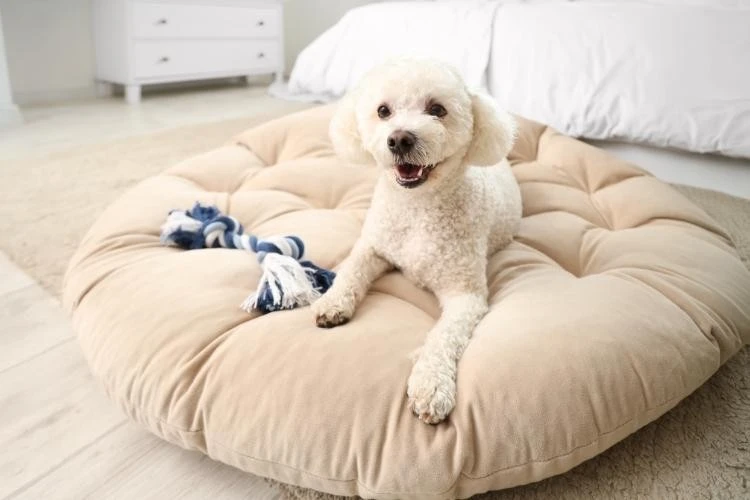
Photo by pixelshot on Canva.
1. Miniature/Toy Poodle
Standard Poodles were originally large water retrievers. Mini and Toy Poodles were bred to be smaller versions of the Standard Poodle, and they've both become popular household companions.
Why Your Family May Love This Breed
- ●Teddy-Bear Appearance: Many children like the soft curls and earnest expressions of Mini and Toy Poodles.
- ●Everyone Can Help With Training: Poodles are smart and responsive, so parents and older children can take turns teaching the puppies new commands and tricks. Their high intelligence helps them learn new routines regularly.
- ●Small Size: Since they're relatively small, Mini and Toy Poodles are less likely to knock children over while playing.
- ●Enjoy Several Games: Miniature and Toy Poodles have a wide range of interests. They're as happy to play fetch as they are to weave between cones or step over low poles, so it's easy to keep them mentally engaged.
Find a Toy or Mini Poodle for your family.
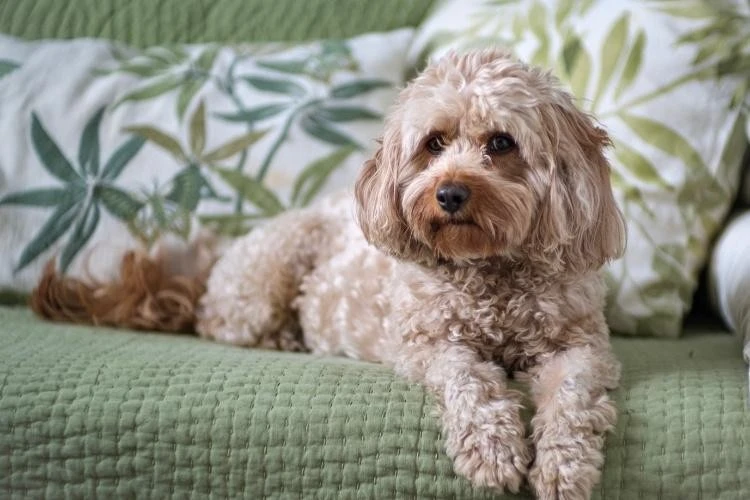
Photo by Steven B Gold from Getty Images on Canva.
2. Cavapoo
The Cavapoo is a designer crossbreed, an offspring of a Cavalier King Charles Spaniel and a Miniature or Toy Poodle. Since they aren't purebreds, their temperament, grooming needs, adult size, and energy level can vary. Some puppies resemble their Cavalier parent more closely, while others inherit stronger Poodle traits.
Why Your Family May Love This Breed
- ●Everyone Can Take Part in Training Them: Cavapoos respond well to training, and will even try harder to please you when you offer them rewards for good behavior. Adults and older children can all contribute to teaching the puppy commands and routines.
- ●Sociable: Many Cavapoos seek love and attention from several people. They may have their favorite family member, but they'll still be glad to interact with others.
- ●Likes Both Indoor and Outdoor Activities: Wherever your family moves, a Cavapoo can tag along. They enjoy indoor enrichment and naps as much as they like walks and yard games.
- ●Easy to Include in Family Plans: Cavapoos are some of the best dogs for apartment living, but they'll thrive just as well in the countryside or on road trips.
Find a Cavapoo for your family.

Photo by Freddy from Pexels on Canva.
3. Shih Tzu
Shih Tzus were once treasured companion dogs in imperial China, and they’re still one of the most affectionate breeds today. You can trim this pup’s flowing coat or keep it long, but keep in mind that either style requires regular grooming.
Why Your Family May Love This Breed
- ●Likes Keeping People Company: The Shih Tzu was bred to spend time with people. They're content to stay near any member of the household they can find.
- ●Enjoys Calmer Routines: Shih Tzus still need their daily walks and enough playtime, but they don’t necessarily have to participate in rigorous activities to stay happy and healthy.
- ●Can Entertain Themselves: With some toys and a comfortable nook, a Shih Tzu can keep themselves occupied for short periods, during which everyone can complete their chores without interruptions.
- ●Gets Along With Other Pets: A properly socialized Shih Tzu may bond with other dogs and children who treat them gently.
Find a Shih Tzu for your family.
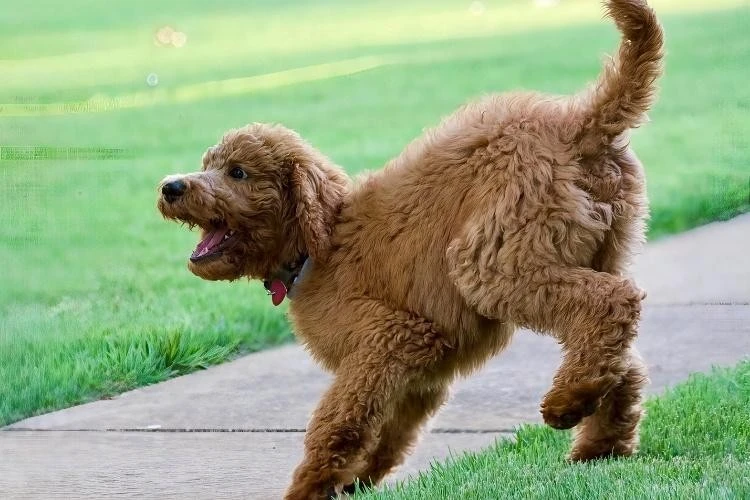
Photo by A. G. Rosales from Pexels on Canva.
4. Labradoodle
First bred in Australia, Labradoodles are a cross between a Labrador Retriever and a Poodle. The intention was to produce a pup with the guide-dog instincts of the Labrador and the Poodle's low-shedding coat.
Modern Labradoodles are friendly and affectionate. Their coat texture may be straight, wavy, or curly, but they don't all have low-shedding coats. Some shed less fur while others shed as much as Labradors.
Why Your Family May Love This Breed
- ●Cleaning up After the Dog May Be Easier: Labradoodles who inherit stronger Poodle traits may have curlier coats that shed less, so there may be less loose fur on floors and furniture.
- ●Friendly Towards Children: Labradoodles often like it when kids assign them small tasks, such as bringing a toy or delivering a light object to another family member. These simple exchanges can help children get closer to the pup.
- ●May Love Water-Based Family Activities: Both Labrador Retrievers and Poodles are water retrievers, so Labradoodles enjoy swimming or fetching floating toys under adult supervision.
- ●Relates With Other Pets: A Labradoodle who's slowly introduced to other animals in the home may bond with them over time.
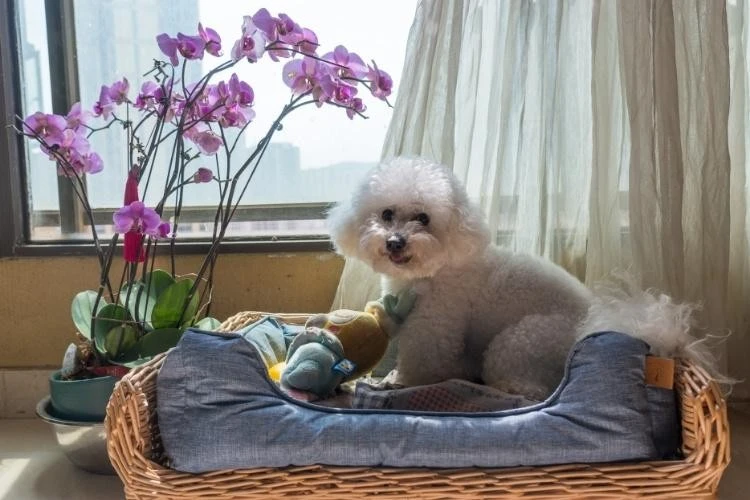
Photo by 熊文 from Getty Images on Canva.
5. Bichon Frise
Bichon Frises descended from small Mediterranean companion dogs. They later became popular in European courts and were taken along to shows by traveling entertainers. They're now mostly household pets with a clever, outgoing personality.
Why Your Family May Love This Breed
- ●They’re Entertaining: Bichons once entertained crowds by performing routines while standing on their hind legs. Kids can teach the pup how to spin, bow, retrieve toys, and perform other safe tricks.
- ●Enjoys Meeting the People Your Family Loves: A properly socialized Bichon may happily greet relatives, family friends, and other visitors at the door. This attitude helps guests feel at ease in your home.
- ●Playful Energy: Bichons are energetic enough to participate in multiple indoor games in a row without needing to step outside the house. Their personality suits families with younger children, who may not be allowed to play outside the house without adult supervision.
- ●Cheerful Personality: Bichons’ faces can be expressive and may look like they're smiling all the time. Having them around contributes to a positive atmosphere within the home.
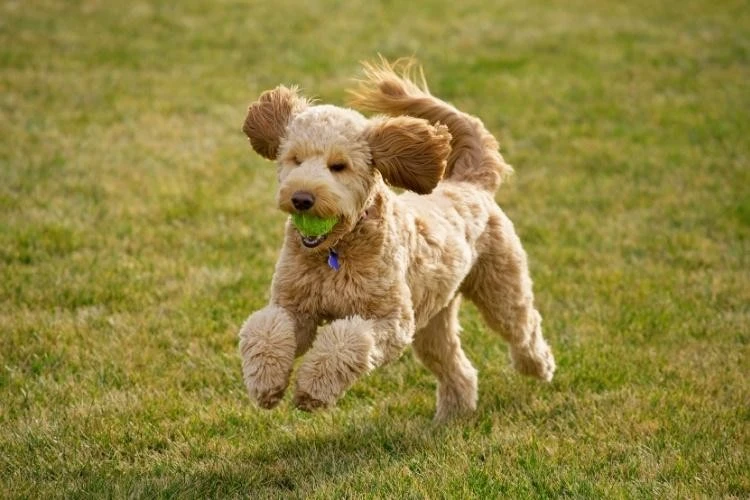
Photo by Maria Jeffs from Getty Images on Canva.
6. Goldendoodle
When crossing a Golden Retriever with a Poodle to produce a Goldendoodle, breeders hoped to combine the Golden Retriever’s gentle temperament with the Poodle’s intelligence.
However, Goldendoodles can inherit different combinations of traits from their parents. Even puppies from the same litter may have different energy levels and coat textures. Their adult size may also vary.
Why Your Family May Love This Breed
- ●Gentle Nature: Many Goldendoodles are affectionate dogs that enjoy being close to children of different ages, including babies and toddlers.
- ●Wants to Be Included in Everything: A Goldendoodle may follow family members around the house, play with kids, accompany adults on errands, or find someone to curl beside when everyone is resting.
- ●Strong Retriever Instincts: Since both of a Goldendoodle’s parents have histories as retrievers, the pup may enjoy searching for objects and fetching floating toys from a shallow pool.
- ●May Get Along With Other Animals: When they’re properly socialized and introduced carefully, many Goldendoodles can share a home with other dogs or a cat. This can make the transition easier for families that already have pets.

Photo by photology2000 on Canva.
7. Golden Retriever
Golden Retrievers were first bred in the 19th-century Scottish Highlands to assist hunters with retrieving birds. The dogs had to wait for their owners’ instructions and carry the birds gently in their mouths. This willingness to follow directions from humans, combined with their patience and intelligence, has made the Retriever one of the best dog breeds for families today.
Why Your Family May Love This Breed
- ●Eager to Join Family Activities: These loyal companions usually enjoy going on walks, playing games, swimming, and other outdoor activities. They're a good fit for families who want a furry friend they can carry along.
- ●Family Members Can Take Turns Training the Pup: Goldens are highly intelligent. They're excited to learn commands and tricks taught by different people in the household, as long as everyone uses the same cues.
- ●Energetic: A Golden Retriever may be the best dog for households that often engage in high-energy activities such as hiking. They're large, though, and may knock over younger children if left unsupervised.
- ●Shares Affection Generously: With proper socialization, a Golden Retriever can form loving relationships with several family members. Their friendly personality can also make them warm up to visitors and other dogs.
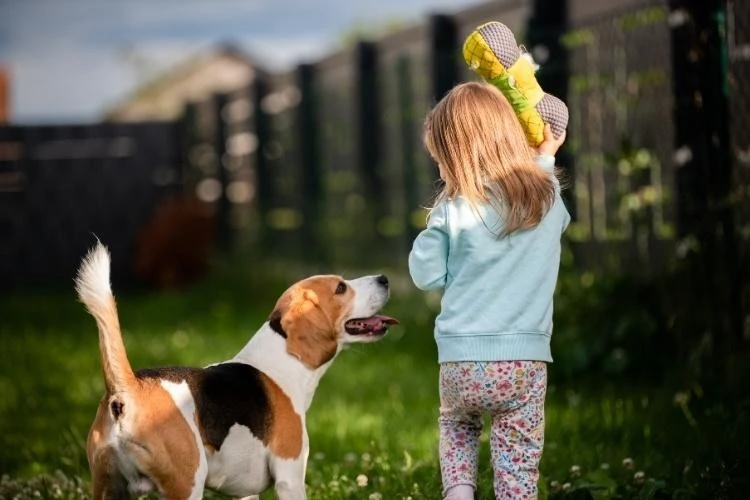
Photo by przemyslawiciak on Canva.
8. Beagle
Beagles owe their exceptionally strong sense of smell to their history as scent hounds that tracked rabbits and hares. They used to work in packs alongside hunters, so they tend to love company and maintain a cheerful but gentle temperament.
Why Your Family May Love This Breed
- ●Encourages Children’s Curiosity: A Beagle notices smells and changes in the environment that people might miss. For example, if a Beagle starts sniffing or digging at one spot in a fenced yard, children may naturally want to find out what has caught the dog’s attention. That kind of everyday investigation can encourage healthy curiosity.
- ●Brings Joy to the Household: Beagles are enthusiastic about simple things, from meals to walks. Just having them around lightens the mood.
- ●Welcomes Attention from Several People: Because Beagles were bred to work in packs, they often enjoy being part of a busy household. Different family members can give the dog food, take them on walks, train them, and play with them.
- ●An Enthusiastic Playmate: Beagles have moderate exercise requirements, so they're great companions for younger children who have plenty of energy to burn. They can also tolerate family chaos.
How to Choose the Right Dog for Your Family
The best family dogs all have endearing qualities, but they may not all be suitable for your family. Considering the factors below will help you select a breed that fits your household.
The Primary Caregiver’s Preferences
Consider whoever will be mostly responsible for caring for the dog. If the person prefers short walks and slow-paced indoor games, you may want to adopt a Shih Tzu. More energetic breeds such as Beagles and Bichon Frises may be suitable if the primary caregiver has the stamina to walk and play with the dog for longer periods.
Exercise Needs
Family dogs have different exercise needs. Consider how much time your household can reliably block out for exercise, and ask yourself whether the dog will still get enough attention during busy school weeks or bad weather.
Don’t choose a highly energetic dog because you hope the puppy will make the family more active. Choose a breed whose energy level your family can reliably manage.
Grooming Requirements
Can your family afford to groom the dog as often as they need? For example, Poodles and Poodle mixes have curly coats that need regular brushing. You'll also need to take them for professional grooming every four to six weeks. Meanwhile, short-coated breeds such as Beagles may not need frequent brushing and can often wait eight to twelve weeks between professional grooming appointments.
Allergies
If someone in the family is allergic to dogs, take that into account when selecting a breed. The best dogs for allergies include Poodles and Poodle crosses because their coats typically shed less.
However, no dog breed is completely hypoallergenic. People may react to proteins in a dog’s saliva, skin flakes, or urine rather than the fur itself. Before choosing a family dog, talk to an allergy specialist to confirm whether it'll be safe for the person with the allergy to spend time near the dog.
Your Other Pets, If Any
Some family dog breeds are naturally sociable, while others may be inclined to chase or herd other animals. Ask the breeder how the puppy acts around cats, other dogs, and smaller pets. Their response can help you determine whether the puppy is likely to warm up to other pets quickly or will need slower introductions and closer supervision.
Choose a Responsible Breeder
Breeding practices can influence a puppy’s health and how prepared they are for joining a family. A responsible breeder should ensure that parent dogs are healthy and begin socializing the puppies while they’re still young. They should also let you know if the parent dogs have any genetic health problems that may be passed down to the puppy.
HonestPet works only with breeders who meet our standards for responsible breeding. Every puppy is checked by a veterinarian and microchipped before going home. We’ll also send you their digital health records, as well as every other detail about them and their parents that’ll help you make an informed decision about whether they’re the right fit for your family.
Frequently Asked Questions
What Is the Calmest Family Dog?
The Shih Tzu is one of the calmest family dogs. They enjoy daily walks and playtime but are usually content with a relaxed household routine.
What Is the Cleanest House Dog?
Poodles are among the cleanest house dogs because they shed very little and usually have minimal dog odor. Their coats still need frequent brushing and professional grooming.
What Is the Lowest-Maintenance Family Dog?
When it comes to grooming, the Beagle is one of the lowest-maintenance family dogs. Their short coat is easy to care for, and their exercise needs are moderate.
Conclusion
Once you identify the best family dog for your household, look for a responsible breeder. Ethical breeders ensure parent dogs are healthy before pairing. They also help puppies get used to people and provide proper veterinary care for each dog from the start.
At HonestPet, we screen breeders using stringent standards. Before your chosen pup joins your family, they'll have been checked by a licensed veterinarian and microchipped. We'll also send you their digital health records so you can have them handy for future vet visits.
Ready to Get Started?
Find your perfect puppy and start your journey today!