

Bringing a dog home, falling completely in love, and then spending weeks struggling through allergy symptoms is not a pleasant experience for anyone. That heartbreak can be discouraging for many people. It's enough reason to close the door on the idea entirely or decide that it's just not worth trying again.
However, it doesn't have to be that way. Hypoallergenic dog breeds exist precisely for this reason, and in 2026, there are several wonderful, low-shedding companions to choose from.
This guide will walk you through everything you need to know, including what actually makes a dog hypoallergenic, the best breeds worth considering, and how to bring one home with total peace of mind.
What Makes a Dog Hypoallergenic?
Let's start by making it clear that there's no such thing as a completely allergen-free dog. Every dog produces proteins found in pet dander, saliva, and urine that can trigger allergies in sensitive people. What varies significantly between breeds is how much of these proteins they release into your environment.
Most people with dog allergies react to Can f 1 (Canis familiaris 1, a major protein in dog saliva) and other proteins found primarily in their saliva and skin cells. When dogs shed, they spread dander-coated hair throughout your home, on furniture, floors, and in the air. Dogs that shed heavily distribute far more allergens than those that don't shed as much.
So when we talk about dogs being "hypoallergenic," what we really mean is that they may be less likely to trigger allergies because they often shed less or distribute fewer allergens, but no dog is fully allergen-free.
Here are some characteristic qualities that make a dog hypoallergenic:
Low-shedding or Non-shedding Coats
Breeds with a single coat or a tight curly coat tend to trap loose hair. Dogs with a double coat, such as Huskies or Golden Retrievers, shed far more heavily and are not a match for allergy sufferers.
Less Dander Production
Some breeds simply produce less dander than most dogs, reducing overall allergen exposure in the home.
Coats That Require Frequent Grooming
Paradoxically, breeds that need regular brushing and trimming often produce less airborne dander because the hair stays managed and contained. Regular grooming is essential for keeping allergen levels low, regardless of which breed you choose.
You should also know that individual dogs vary. Two dogs of the same breed can produce different allergen levels. If you have severe allergies, spending time with a specific dog before committing is always a smart move.
Discover the Best Hypoallergenic Dogs
There are many hypoallergenic breeds worth exploring. Some small hypoallergenic dog options include:
- ●Cavapoo
- ●Poodle
- ●Shih Tzu
- ●Bichon Frise
- ●Chinese Crested
Medium-sized dogs include the Soft-Coated Wheaten Terrier and the Portuguese Water Dog. Larger breeds such as the Giant Schnauzer and Irish Water Spaniel also exist, and each brings its own personality and grooming needs.
Below, we'll spotlight two of the most beloved and sought-after hypoallergenic breeds available through HonestPet.
Cavapoo Puppies

Cavapoos are among the most popular small, hypoallergenic breeds in the U.S. They are a cross between a Cavalier King Charles Spaniel and a Poodle. This mixed breed inherits the Poodle's low-shedding, hypoallergenic coat while adding the gentle, warm temperament of the Cavalier.
They come in small and toy sizes, typically weighing 10–25 pounds and standing 9–14 inches tall. Their silky coats are a delight to touch, with soft, flowing waves or gentle curls in warm shades of red, apricot, cream, and black. They also shed minimally, which makes them a great choice for people with allergies.
Why We Love Them:
- ●Affectionate nature and a gentle temperament, which makes them wonderful companions
- ●Easy to train, even for first-time dog owners
- ●Gentle and patient with children
- ●Sociable and friendly with other pets
- ●Thrive on human connection and interaction
- ●Does best with moderate exercise, e.g., walks, playtime, and mental stimulation
Explore our Cavapoo puppies for sale and connect with a puppy specialist to find your perfect match.
If you’d like to learn more about this breed, our articles on Cavapoo’s temperament and training guide, and Cavapoo’s health considerations can be a great starting point for you.
Poodle Puppies

If you're looking for one of the most recognized hypoallergenic dog breeds, Poodles are at the top of the list. The Toy Poodle and Miniature Poodle are some of the most popular choices for allergy sufferers, and they consistently rank among the most intelligent breeds out there.
Mini and Toy Poodles are compact and elegant. Toy Poodles typically weigh under 10 pounds, while Miniature Poodles’ sizes fall between 10 and 15 pounds and stand between 10 and 15 inches tall. Their coats are soft, tightly curled, and come in beautiful shades of apricot, cream, black, and red.
What makes Poodles a better choice for people with allergies is their curly coat structure and how the curls trap loose hair close to the body. There is far less pet dander floating around your home, and significantly fewer allergens for sensitive family members. That said, their coats do grow continuously, so frequent grooming, typically every 4–6 weeks, is essential.
Why We Love Them:
- ●Highly intelligent and trainable
- ●Playful, affectionate, and deeply bonded to their families
- ●Love learning new commands and thrive on mental stimulation
- ●Gentle and patient with children
- ●Sociable and easy-going around other pets
- ●Adapt well to apartment and house living with daily exercise and engagement
Explore our Poodle puppies for sale and connect with a puppy specialist to find your perfect match.
How to Choose the Best Breeds That Don't Shed
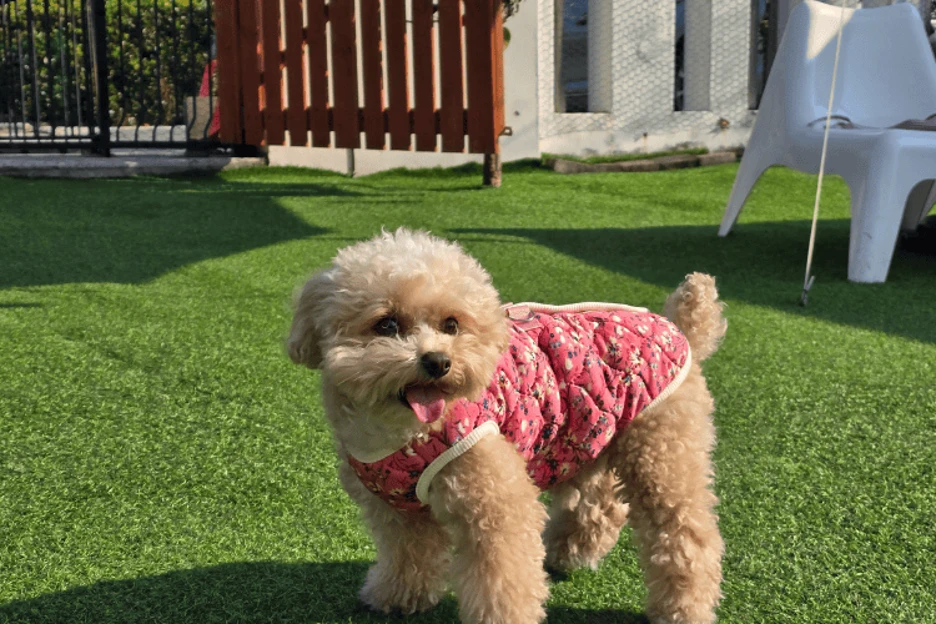
Image by u_0o828hmyvq on Canva
Choosing from the many hypoallergenic breeds available can feel overwhelming when you factor in your lifestyle, living space, and the severity of your allergies. Here are some practical tips to guide your decision.
1. Consider Your Allergy Severity
People with mild allergies often do well with most breeds on the hypoallergenic list. Cavapoos, Toy Poodles, Bichon Frises, and Yorkshire Terriers are great starting points. If your allergy symptoms are more severe, you'll want to prioritize breeds with the tightest, lowest-shedding coats. Standard, Miniature, or Toy Poodles are among the best options.
2. Think About Size and Energy Level
Toy breeds like the Toy Poodle are ideal for apartment living and suit a more relaxed daily exercise routine. Medium-sized dogs need more space and regular exercise, while larger breeds are high-energy dogs that do best with active families. Ensure you choose a companion who matches your personality and daily living conditions.
3. Factor in Grooming Needs
Both Cavapoos and Poodles require a consistent grooming routine, and for allergy sufferers, this isn't optional. It's one of the most important things you can do to keep allergen levels low in your home. Cavapoos need brushing every few days and a professional groom every 6–8 weeks to keep their soft, wavy coat tangle-free and well-maintained.
Poodles, with their continuously growing curly coat, need trimming every 4–6 weeks to prevent matting and minimize shedding. The good part is that both breeds are naturally low-shedding, but regular grooming simply keeps them at their best.
4. Research Breed Temperament
Some hypoallergenic breeds are highly independent (like many terrier breeds), while others are deeply affectionate and people-focused (like Poodles and Cavapoos). If you have children or other pets, prioritize breeds known for being gentle and friendly. A Cavapoo, or Miniature Poodle, tends to adapt easily to busy households.
5. Spend Time with the Breed First
Even the most considered hypoallergenic dog can trigger reactions in some individuals. Before committing, spend time with the specific breed or, ideally, the specific dog to gauge your body's response.
6. Choose a Reputable Breeder
This cannot be overstated. A good breeder prioritizes health testing, early socialization, and transparency. A puppy raised with love and proper care will be healthier and happier. They'll also be better companions for allergy sufferers, with healthier coats and naturally lower allergen levels.
Working with a responsible breeder committed to solid ethical standards, like those in HonestPet’s network, ensures you're getting a puppy raised with proper care from day one.
Why Choose HonestPet’s Hypoallergenic Dogs?
Every puppy in our care is loved before they ever reach your door. Our Miniature Poodles and Cavapoos are raised by compassionate, verified breeders chosen for one reason above all else: because they truly care. When you choose HonestPet, you're getting a team committed to you and your dog for life.
Here's what's included when you bring home an HonestPet puppy:
- ●Nationwide Comfort Delivery: Our USDA-licensed couriers deliver your puppy directly to your home in a climate-controlled vehicle. Your new companion arrives safely and comfortably.
- ●10-Year Health Guarantee: Full protection from congenital and hereditary issues for a decade.
- ●Transparent Health Records: Digital vet reports covering vaccinations, checkups, and full care history are shared with you before your puppy arrives.
- ●Training and Lifetime Support: Complimentary professional training through Stay-n-Train. Our in-house trainers are just a call or text away. Whatever questions come up, we're always here.
- ●Trusted and Verified Breeder Network: We partner only with reputable breeders who pass thorough screening and follow responsible care standards.
- ●No Puppy Mills: We proudly work with small-scale breeders focused on raising healthy, happy dogs, not puppy mills that raise dogs only for profit.
Getting Your Hypoallergenic Puppy from HonestPet is Super Easy
We've made the process simple and stress-free from start to finish:
- 1.Find Your Puppy: Browse our available hypoallergenic puppies and choose the one that feels right for your family.
- 2.Easy Online Checkout: Reserve your puppy securely online, with our Customer Care team available anytime you have questions.
- 3.Vet-Checked Health Screening: Every puppy receives full medical clearance, and you'll get complete digital health records before your companion arrives.
- 4.Safe Home Delivery: Our licensed couriers ensure a calm, comfortable journey from breeder to your front door.
Know Your Pickup Options:
- 1.Breeder Meetup: Meet the breeder near their home and pick up your puppy in person if you'd prefer.
- 2.Nationwide Comfort Delivery: A USDA-certified driver delivers your puppy safely at your door.
- 3.Puppy Flight Companion: A trained, USDA-licensed companion escorts your puppy in-cabin directly to your nearest airport. We handle all the logistics.
Tips for Living with a Hypoallergenic Dog

Image by Manish Sharma on Canva
Bringing home a low-shedding dog is a great first step, but managing your environment is just as important. Here's how to reduce allergens and create a comfortable home for both you and your new companion.
Keep Up With Regular Grooming
Even dogs that don't shed still need consistent coat maintenance. Regular brushing, ideally every few days, prevents matting and keeps loose hair and dander contained.
Bathing your dog every 2–4 weeks with a gentle, dog-safe shampoo further reduces the allergen load. Many pet parents with allergies find that having a groomer handle baths and trims makes a real difference in their day-to-day comfort.
Invest in Air Quality
A HEPA air purifier in the rooms your dog spends the most time in can reduce airborne pet dander. Change your HVAC filters regularly, at least every 90 days, and consider allergen-reducing filters designed for pet households.
Clean Frequently and Smartly
Vacuum at least twice a week using a HEPA-filtered vacuum. Wash your dog's bedding weekly in hot water, and wipe down hard surfaces regularly, since pet dander settles on everything. If possible, opt for hard flooring over carpet in rooms where your dog spends time, as carpet traps and holds dander far more than smooth surfaces.
Wash Your Hands After Contact
A dog's saliva contains allergens, too. After handling your dog, especially after play or cuddles, wash your hands before touching your face to reduce the risk of triggering allergy symptoms.
Talk to Your Doctor
If you're managing allergies alongside dog ownership, your physician or allergist can help you build a plan. Antihistamines, nasal corticosteroids, or even allergy immunotherapy (allergy shots) can significantly reduce your body's response to dog allergens over time.
Many people with allergies find that their symptoms ease considerably after living with dog breeds that don’t shed for a few months, as their immune systems adjust.
Stay Consistent with Vet Care
A healthy dog is a lower-allergen dog. A well-groomed, well-fed dog will have a healthier coat and skin, which means less dander and shedding overall. Regular vet checkups, a high-quality diet, and parasite prevention all contribute to your dog's coat health and to how comfortable you are living with your furry friend.
The right hypoallergenic dog, raised by a reputable breeder and welcomed into a well-managed home, can be one of the most joyful additions to your life if allergies have held you back for years. With a little preparation and the right match, you can have a happy dog and the comfortable home you've always wanted.
FAQs
Are Hypoallergenic Dogs More Expensive Than Other Breeds?
Generally, yes. Hypoallergenic breeds tend to come with a higher price tag than many non-hypoallergenic breeds. That reflects the genuine care and responsible breeding that go into every puppy, and the peace of mind that comes with knowing yours was raised the right way.
What Dog Breed is Worst for Allergies?
The breeds most likely to trigger allergies are those with heavy double coats and high shedding levels. Siberian Huskies, German Shepherds, Labrador Retrievers, and Saint Bernards consistently top the list. They shed year-round and produce significant amounts of dander. In some cases, they drool heavily, which spreads the Can f 1 allergen across surfaces and fabrics throughout your home.
Do Hypoallergenic Breeds Get Along Well with Other Dogs?
One of the things that makes breeds like the Cavapoo and Poodle so special is how naturally they fit into an existing family, including the furry members. Cavapoos are gentle, sociable dogs that seem to enjoy the company of other animals. Be it another dog or a cat, they tend to approach new companions with a wagging tail and an open heart.
Will My Hypoallergenic Dog's Allergen Levels Change as They Get Older?
Yes, they can. Puppies generally produce lower levels of allergens than adult dogs, which is why some people find they react more as their dog matures. Hormonal changes, particularly in dogs that haven't been spayed or neutered, can also affect allergen production. However, consistent grooming and home management habits tend to offset much of this change over time.
Can Diet Affect How Many Allergens My Dog Produces?
Yes, and this is one of the most overlooked aspects of managing dog allergies at home. A dog's diet directly impacts the health of their skin and coat. Poor nutrition can lead to dry, flaky skin, which increases dander production and raises allergen levels in your home.
Feeding your dog a high-quality, balanced diet rich in omega-3 and omega-6 fatty acids helps maintain a healthy coat and reduces excess shedding and skin cell turnover. If you notice your dog's coat looking dull or their skin seems irritated, speak to your vet about whether a dietary adjustment could help. It's a simple change that can make a big difference.
Conclusion
Allergies shouldn't restrict you from the beautiful companionship of an adorable dog. The right hypoallergenic breed, raised by a responsible breeder, and matched to your lifestyle, can be an entirely pleasurable experience.
If you're drawn to the warm, cuddly personality of a Cavapoo or the playful intelligence of a Miniature Poodle, we have the perfect hypoallergenic dog ready to become part of your family.
At HonestPet, we believe every family deserves that connection, and we've built our entire process around making it as transparent and joyful as possible. We're with you every step of the way, offering verified breeders, full health records, lifetime training support, and nationwide delivery.
Ready to meet your match? Explore our available hypoallergenic puppies and take the first step toward a home full of love and care for you and your dog.
Ready to Get Started?
Find your perfect puppy and start your journey today!