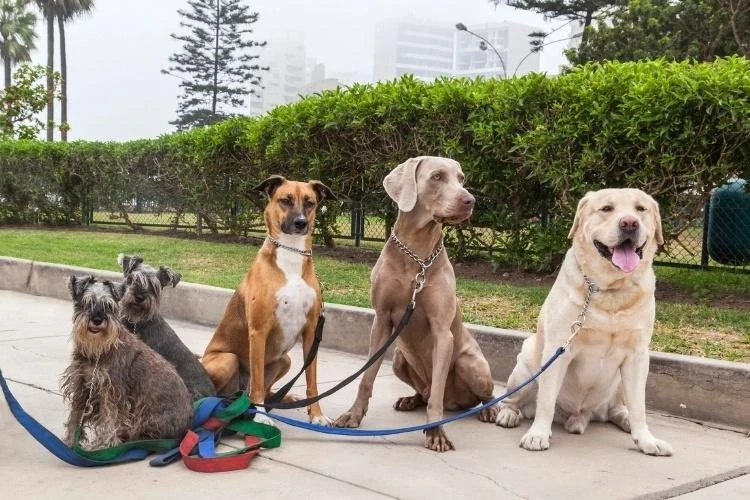

Dogs are the most diverse land mammals on the planet in terms of physical appearance. When you see a little Shih Tzu, a goofy Golden Retriever, or a laser-focused German Shepherd, you’ll wonder if they belong to the same species.
So, what makes dog breeds look and act so differently? Each dog breed has evolved and undergone centuries of selective breeding for specific characteristics that contribute to their unique differences. This guide highlights what makes dog breeds differ in size, coat types, personality traits, health issues, and training needs.
Key Takeaways
- ●All the dogs belong to the same species, but human intervention has resulted in breeds that have different physical characteristics and care needs.
- ●There are a few genes responsible for the major differences among breeds in size, coat type, cranial structure, and development.
- ●Different breeds are genetically distinct because they’ve been selectively bred for certain physical traits over generations.
- ●While breed can influence behavior, it’s the early experiences, training, socialization, and human interaction that determine personality traits.
- ●Both pure and mixed breeds make great pets. There’s no breed that’s healthier than another.
- ●You can predict exercise needs, grooming requirements, trainability, and common health concerns by understanding a dog breed's history.
- ●The best dog breed is one whose needs match your lifestyle, energy levels, home, and long-term commitment to care.
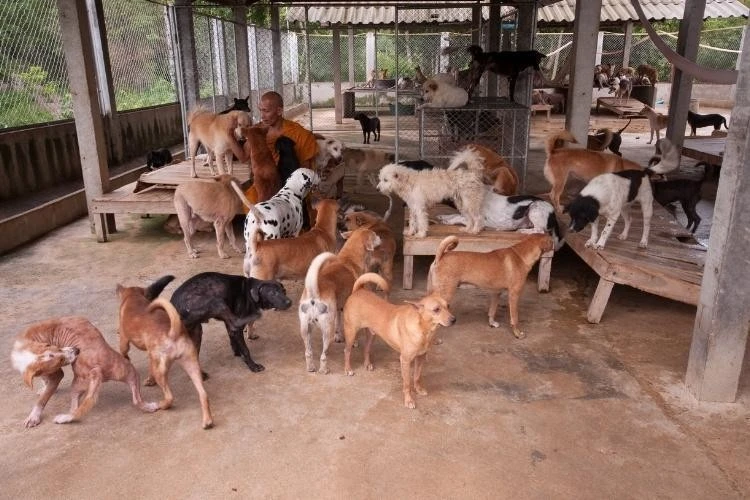
Image by Picas Joe from Pexels on Canva
What Makes Dog Breeds Different?
Dogs were selectively bred over the years, creating the different dog breeds we know today. These breeds developed special features suited to their work, whether guarding property, keeping livestock in check, hunting game, or playing with owners. This legacy still influences the physical and psychological characteristics of dogs today.
The History of the Domestic Dog
All domestic dogs are descendants of a large, ancient wolf that lived in the Late Pleistocene, 20,000 to 40,000 years ago, and is now extinct. Over time, the old canids began to live and work around the hunter-gatherer camps. These ancient dogs developed a symbiotic relationship with man and quickly became essential for hunting, protecting livestock, herding, pulling sleds, and companionship.
At first, humans didn’t think about dog breeds in the modern kennel club sense. They valued utility over looks. Dogs that performed well in a particular task, adapted to the climate, or worked well with humans, were highly valued and bred selectively.
Selective Breeding Created Different Dog Breeds
The American Kennel Club (AKC) defines selective breeding as the process of choosing animals with desired characteristics and breeding them together. The main reason for selective breeding is to pass down desired traits and physical characteristics to the next generation.
After many generations, breeders developed new breeds, choosing dogs for specific roles and attributes. They bred herding dogs that could keep an eye on livestock, respond rapidly, and work closely with humans.
Other breeders bred hunting dogs that were excellent at tracking, running, stamina, or retrieving. They also selectively bred miniaturized ‘toy dogs' for companionship and tender disposition. This is why modern dog breeds have different physical features and attributes.
Modern Breeds Are Relatively New
Most dog breeds we know today have been standardized over the past few hundred years. In the Victorian period, dog fanciers started to breed dogs into distinct breeds, with written breed standards. The breed standard details the desired look, gait, and personality of a particular breed. The American Kennel Club notes that these standards serve as a blueprint to breeders and judges.
Today, kennel clubs continue to classify and maintain breed standards for hundreds of distinct breeds. As of 2019, the AKC recognized 192 dog breeds, while the Fédération Cynologique Internationale (FCI) recognized 356 purebred dogs worldwide. These organizations have helped preserve breed standards, document pedigrees, and organize dogs into recognized breed groups.
Visual: Timeline of Dog Breed Development
| Timeline | Dog Breed Development |
|---|---|
| Ancient history | Dogs worked beside humans as hunters, guards, and companions. |
| Regional development | Dogs adapted to local jobs, climates, and human needs. |
| Victorian era | Dog fanciers formalized many modern breeds. |
| Modern kennel clubs | Breed standards became more consistent. |
| Today | Families compare dog breeds for appearance, health, lifestyle, and temperament. |
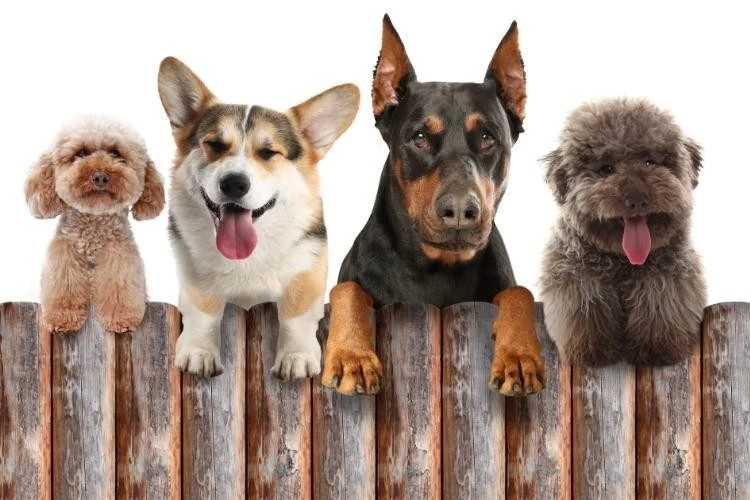
Image by Africa Images on Canva
The Science Behind Dog Breed Differences
Dogs are a single species, but humans created substantial physical variation through selective breeding. A Cavalier King Charles Spaniel, Bernese Mountain Dog, Doberman Pinscher, Cocker Spaniel, Australian Shepherd, and Border Collie look different because they were originally bred for different physical features and purposes over many generations.
Genetics Shape Physical Traits: The Master Switches
While domestic dogs and gray wolves share a recent common ancestor and remain genetically very similar, centuries of selective breeding have amplified a relatively small number of distinct genetic clusters. The dramatic differences between modern breeds can be traced to a surprisingly small number of genetic loci.
Rather than thousands of genes changing at once, the following genetic "master switches" help determine a dog's size, personality, coat, and skull shape.
The Size Switch: IGF1
One of the most influential genes affecting size is IGF1 (Insulin-like Growth Factor 1). This gene acts like a biological growth regulator. In a landmark study of canine genetics, Sutter et al. (2007) found that most small dog breeds share a particular IGF1 variant. Their research showed that this genetic variation plays a major role in determining body size, helping explain why breeds such as the Pomeranian and Chihuahua remain so small.
Larger breeds, meanwhile, typically carry different combinations of growth-related variants across several genes, including:
- ●Insulin-like Growth Factor 1 Receptor (IGF1R)
- ●High Mobility Group AT-Hook 2 (HMGA2)
- ●Growth Hormone Receptor (GHR)
- ●Stanniocalcin 2 (STC2)
These variants allow continued growth during puppyhood and contribute to the bigger body sizes in dog breeds such as the Bernese Mountain Dog and Great Dane.
The Muzzle Switch: SMOC2
A dog's head shape is another trait heavily determined by genetics. In a study investigating the genetics of canine skull shape, Marchant et al. (2017) identified SMOC2 (SPARC-related modular calcium-binding protein 2) as a major regulator of skull development. The researchers found that differences in this gene are strongly associated with brachycephaly, the shortened skull shape in breeds such as the Shih Tzu, Pug, and French Bulldog.
Dogs without these genetic changes typically develop longer skulls and muzzles. This dolichocephalic head shape is common in dog breeds such as the German Shepherd and many Sighthounds.
Coat Length and Furnishings: RSPO2 and FGF5
Several well-known coat characteristics also trace back to a small number of genes. The R-spondin-2 (RSPO2) gene controls features such as the beard, eyebrows, and facial hair commonly seen in dog breeds such as the Schnauzer and Poodle.
Meanwhile, Fibroblast Growth Factor 5 (FGF5) helps regulate hair growth cycles. Certain variants allow hair to grow longer before shedding, producing the longer coats seen across breeds such as the Golden Retriever and Australian Shepherd.
These hereditary differences demonstrate how selective breeding shaped the notable physical diversity found across modern dog breeds. Humans selected dogs for particular features over many generations, creating hundreds of distinct breeds using a relatively small genetic toolkit.
Human selection also favored neoteny in many breeds. Neoteny refers to the retention of juvenile characteristics into adulthood. Features such as large eyes, rounded skulls, shorter muzzles, and playful behaviors often trigger nurturing responses from humans, making them desirable traits in companion breeds.
Population Structure and Breed Families
Canine genetics shows that many breeds fall into separate genetic clusters. Parker et al. (2017) studied the genetic structure of the purebred domestic dog and found patterns linked to breed history, geography, and function.
Recent genetic analysis has shown that dogs are grouped into 10 different genetic families that reflect shared ancestry rather than kennel club classifications. Parker et al. (2017) found that many modern breeds cluster together based on historical function, geographic origin, and breeding history.
These separate genetic clusters reveal how selective breeding shaped population structure over the years. Ancient breeds often form separate branches from more recently developed domestic breeds, while closely related working breeds frequently share substantial genetic data.
Visual: Genetic Family Chart
| Purpose | Bred For | Example |
|---|---|---|
| Herding | Moving livestock | Border Collie, German Shepherd |
| Sporting | Retrieving and hunting | Golden Retriever, Labrador Retriever |
| Hounds | Tracking or chasing prey | Beagle, Dachshund, Sighthounds |
| Terriers | Vermin hunting | Yorkshire Terrier |
| Toy/Companion | Companionship | Shih Tzu, Chihuahua, Pomeranian |
| Working | Guarding, pulling, protection | Bernese Mountain Dog, Doberman Pinscher |
Image by Simonapilollatnf on Canva
The Difference Between Dog Breeds and Human Races
In contrast to human races, dog breeds came from controlled, selective breeding, closed-breeding populations, and written breed standards. Human genetic variation is greater within human groups than between them, and racial categories reflect social history more than clear biological lines.
So, while people sometimes compare dog breeds to human races, that analogy is misleading because human diversity doesn't mirror the differences among dog breeds.
Charles Darwin compared human races to dog breeds in The Descent of Man (1871). However, modern population genetics has demonstrated that this comparison is scientifically flawed. Unlike dog breeds, which were intentionally created through selective breeding, human populations have remained highly interconnected throughout history.
Does Breed Matter for Dog Behavior?
For years, people believed a dog's breed acted as a blueprint for its personality. Many assumed every Golden Retriever would be naturally friendly, every German Shepherd would be protective, and every Cocker Spaniel would behave similarly.
Recent research paints a more complicated picture. A large study led by researchers at the Broad Institute of MIT and Harvard analyzed genetic data and behavioral surveys from more than 18,000 dogs. The researchers found that breed accounts for only about 9% of the behavioral variation among individual dogs. In other words, breed can influence behavior, but it doesn't fully determine a dog's temperament.
The study found that some behavioral traits remain strongly linked to ancestral working roles, while others differ between dogs of the same breed. Traits that show stronger genetic influence include:
- ●Biddability, or how readily a dog responds to human direction.
- ●Retrieving and chasing behaviors tied to historic hunting roles.
- ●Howling and other vocal tendencies are frequently associated with ancient breed lineages.
Traits that show much weaker breed influence include:
- ●Sociability toward unfamiliar people.
- ●Fear responses to new environments.
- ●Reactivity when startled or frustrated.
- ●Many day-to-day personality traits.
This explains why two dogs from the same breed can have very different temperaments. Breed tendencies provide useful clues, but upbringing plays an enormous part in developing behavior.
For instance, a Border Collie is likely to inherit strong herding instincts and a natural desire to work with people. However, without daily exercise, mental enrichment, and training, the same dog can develop problematic behaviors such as excessive barking, chasing, or symptoms of frustration.
Behavioral Traits Linked to Breed
Some behavioral traits make sense when you look at what dogs were bred to do. Herding dogs often watch movement closely and respond quickly to people. Retrievers usually enjoy carrying things and working cooperatively. Scent hounds may follow their noses even when you call them back. Terriers often chase because they were bred to hunt small animals.
According to the AKC, Terriers exhibit some of the strongest predatory motor patterns among dog breeds. This makes sense when you consider their history. Terriers were selectively bred to efficiently locate, pursue, and kill vermin. Even today, many terriers retain a strong instinct to chase small prey animals.
Examples of Breed Tendencies
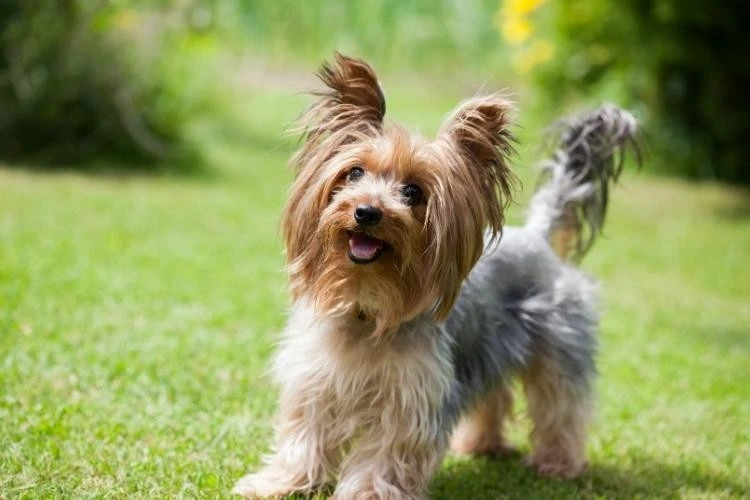
Image by Birute from Getty Images on Canva
Yorkshire Terrier
Yorkshire Terriers may be small, but they have a confident and spirited personality. Originally bred to hunt vermin, Yorkies are often alert, curious, and surprisingly bold for their size. Many owners love their affectionate temperament and adaptability, making them a popular selection for apartments and smaller homes.
If you're considering this breed, browse our Yorkshire Terrier puppies page to learn more about available puppies.
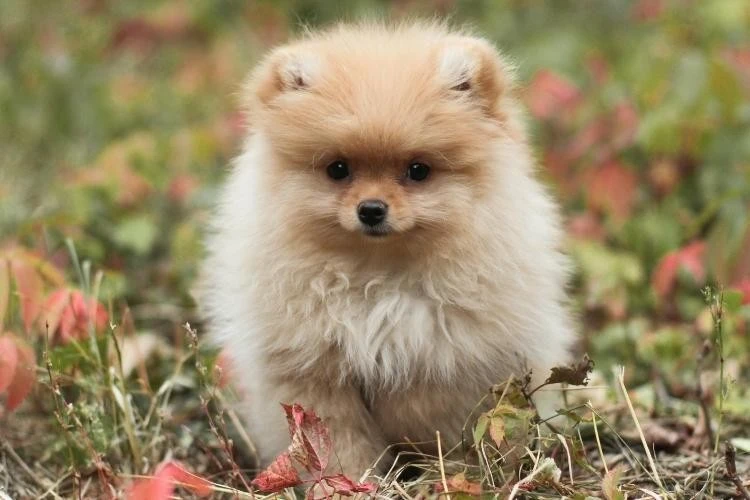
Image by Kateryna Babaieva from Pexels on Canva
Pomeranian
Pomeranians are known for their lively personalities, intelligence, and devotion to their families. These toy breeds often enjoy being the center of attention and can form close bonds with their owners. While small in size, they benefit from training, socialization, and daily enrichment.
If you think this breed is the right fit for your family, explore our Pomeranian puppies page for well-socialized, charming puppies.
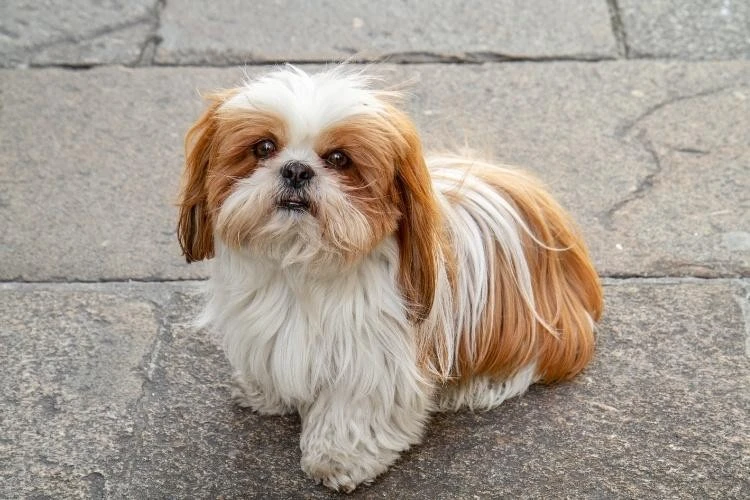
Image by Formatoriginalphotos on Canva
Shih Tzu
The Shih Tzu was bred as a companion dog, and that people-focused history still shines through today. Most Shih Tzus are affectionate, friendly, and happiest when spending time with their families. Their smaller size makes them perfectly suited to many living situations, though they still need regular grooming and care.
Take a look at our well-socialized Shih Tzu puppies from ethical breeders, and you'll fall in love with these devoted companions.
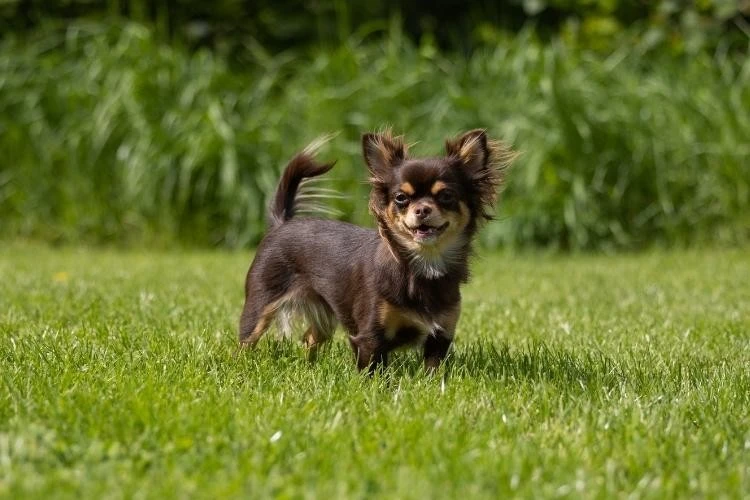
Image by Stuart Lark from Getty Images on Canva
Chihuahua
Chihuahuas are one of the smallest dog breeds in the world, but they often have big personalities. They're often alert, devoted, and confident around the people they trust. Early socialization can help them grow into well-rounded adult dogs.
If you're interested in a small dog with plenty of character, our Chihuahua puppies from reputable breeders might be the right fit for you.
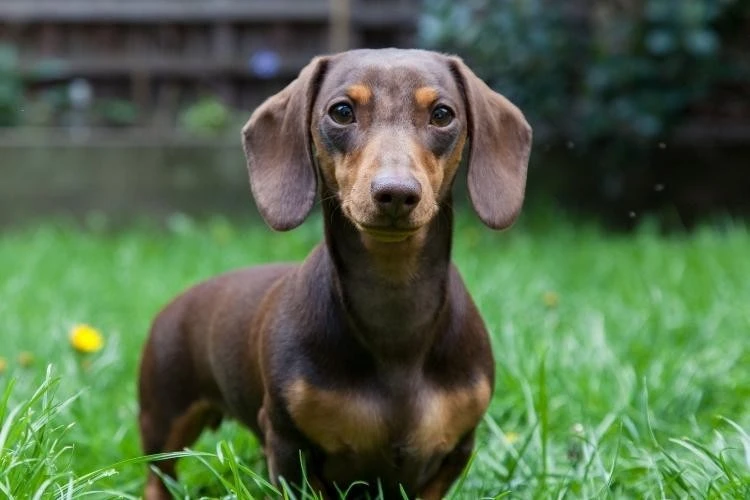
Image by James Player from Getty Images Pro on Canva
Dachshund
Originally developed to hunt badgers, Dachshunds are known for their determination, intelligence, and independent streak. They often form close bonds with their families and enjoy games that engage their natural curiosity.
If you want a smooth, long-haired, or wire-haired breed, browse our Dachshund puppies from verified breeders to find your perfect match.
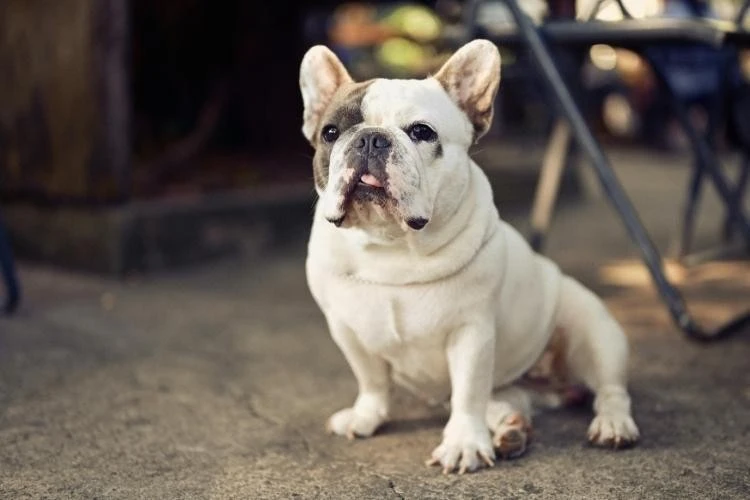
Image by 🇻🇳🇻🇳 Việt Anh Nguyễn 🇻🇳🇻🇳 from Pexels on Canva
French Bulldog
French Bulldogs are playful, adaptable, and known for their easygoing personalities. Many families appreciate their loving temperament and moderate exercise needs. They commonly thrive in apartments and smaller homes, provided they receive plenty of attention and companionship.
Explore our French Bulldog puppies page to learn more about this popular breed.
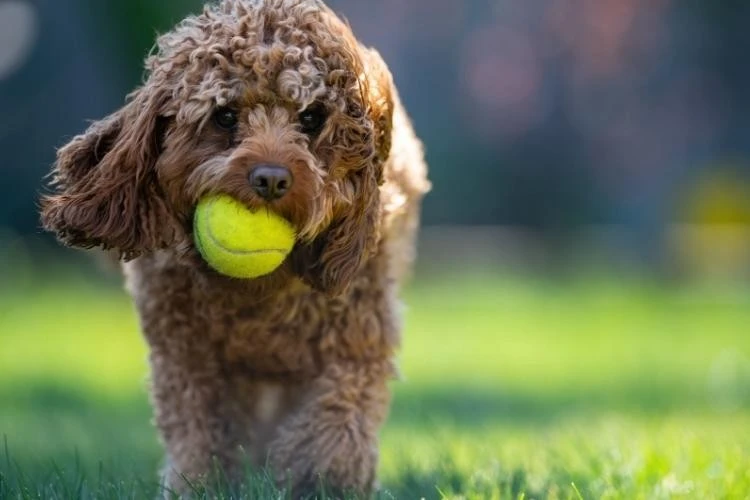
Image by Wirestock from Getty Images on Canva
Cavapoo
The Cavapoo combines the affectionate temperament of the Cavalier King Charles Spaniel with the intelligence of the Poodle. These dogs are often friendly, social, and enthusiastic to be part of family life. Their adaptable temperament makes them a popular selection for first-time dog owners and families alike.
Browse our Cavapoo puppies page to discover available puppies and learn more about the breed.
Breed Differences Beyond Personality
Breed differences affect everyday care. Before choosing a puppy, think about the life that the dog was bred for.
Exercise Requirements
High-energy dog breeds usually need more exercise and mental work. Herding dogs and sporting breeds often enjoy training games, long walks, fetch, scent work, and jobs around the home.
Moderate-energy dogs may enjoy daily walks and playtime. Companion dogs may need less intense exercise, but they still need activity, enrichment, and attention.
Grooming Needs
Grooming varies a lot by breed. Long-coated dogs need regular brushing to prevent mats. Curly-coated dogs often need professional grooming. Short-coated dogs may need less coat care, though many still shed.
Trainability Differences
Herding dogs often learn quickly because people bred them to work closely with humans. Sporting dogs can also be responsive and food-motivated.
Scent hounds may find off-leash training harder because scent work feels so rewarding. Terriers can learn well, but many need patience because independent thinking runs deep in the breed’s history.
Size Expectations
Size affects food costs, travel, housing, exercise, and safety around young children. Toy breeds can fit smaller homes, but they still need training and gentle handling. Large dogs may need more space, strength, and budget.
Visual: Breed Comparison Table
| Breed | Care Requirements | Best For |
|---|---|---|
| Toy breeds | Gentle handling, companionship, and training | Apartments, quieter homes |
| Herding dogs | Exercise, mental work, structure | Active families |
| Sporting breeds | Play, retrieving, social time | Families who enjoy outdoor time |
| Terriers | Recall work, enrichment, boundaries | Owners who like bold personalities |
| Companion breeds | Affection, grooming, routine | Families who want a close-bonded dog |
Purebred vs Mixed Breed Dogs
Purebred dogs and mixed-breed dogs can both make wonderful pets. The better choice is based on your lifestyle, expectations, and the individual dog.
What Is a Purebred Dog?
A purebred dog comes from parents of the same breed and is bred to match a breed standard. They often have more predictable size, coat type, and general breed tendencies.
A purebred domestic dog belongs to a recognized breed line, though kennel club recognition depends on the country and registry.
What Is a Mixed-Breed Dog?
A mixed-breed dog has ancestry from more than one breed. Mixed-breed dogs can inherit traits from several breeds, making size, coat, and behavior harder to predict. A mixed-breed puppy may act more like one breed, several breeds, or none in an obvious way.
Pros and Cons of Each
Purebred dogs can be easier to research. You can often predict adult size, grooming needs, activity level, and known health risks.
Mixed-breed dogs may have more genetic diversity, but that doesn't guarantee better health. They can still inherit health issues from their original parent breeds.
Visual: Purebred vs Mixed Breed Chart
| Variable | Purebred | Mixed Breed |
|---|---|---|
| Size prediction | Usually easier | Can be less predictable |
| Coat prediction | Usually easier | Varies |
| Health risks | Breed-specific risks may be known | May inherit risks from multiple breeds |
| Temperament | Breed tendencies can guide expectations | Individual traits may vary more |
| Best approach | Research breed and breeder | Research history, temperament, and care needs |
Does Dog Breed Matter When Choosing a Puppy?
Breed matters most when it helps you make wise decisions. While you can't find a “perfect” breed, look for a puppy whose needs you can meet with love, time, and consistency.
Matching Breed to Lifestyle
Think about your real life. A busy family may want a playful dog that can settle after exercise. A very active owner may enjoy a herding or sporting breed. A quieter household may prefer a companion breed that enjoys lap time and short walks.
When you compare different dog breeds, ask what each breed was originally bred to do. That background often explains the dog’s energy, appearance, instincts, and care needs.
Questions to Ask Yourself
| Question | Reason |
|---|---|
| How active is my household? | Energy mismatch can create stress. |
| Do I have children? | Some dogs need extra gentle handling and supervision. |
| How much grooming can I manage? | Coat care affects time and cost. |
| How much space do I have? | Size and energy both matter. |
| Am I ready to train daily? | Every puppy needs structure. |
| What health risks should I understand? | Breed health history helps you plan. |
Popular Family-Friendly Breeds
Many families look for affectionate, adaptable breeds. A Golden Retriever may suit families who want a social, trainable dog. A Shih Tzu often appeals to families who want a smaller companion. A Cavalier King Charles Spaniel often draws people in with its kind, people-focused nature. A Cocker Spaniel can suit families who want a cheerful, affectionate dog with moderate activity needs. No breed fits every home, though. Always look at the specific breed, breeder, puppy, and long-term care needs.
The Importance of Thoughtful Breeding
Thoughtful breeding matters because puppies deserve safe, thoughtful care from the start. A trusted breeder has to emphasize health, temperament, socialization, and puppy wellbeing. Good breeders understand the breed standard, but they should never prioritize looks over health.
When seriously considering adopting a puppy, you should ask about health records, parent dogs, early socialization, and what support they receive after bringing a puppy home. While selective breeding helped create many beloved breeds, it also reduced genetic diversity within some closed breeding populations. The AKC has identified more than 1,000 inherited diseases in dogs, many of which occur more frequently in certain breeds due to intense inbreeding and limited genetic pools.
Responsible breeders work to reduce such risks through health testing, careful selection of breeding partners, and long-term breeding plans. At HonestPet, we work with responsible breeders who adhere to our strict ethical standards. These ensure that our puppies come vet-checked and vaccinated, with a health guarantee, 30 days of pet insurance coverage, and lifetime training support.
We also provide safe, stress-free nationwide delivery with USDA-licensed couriers who provide hands-on care and constant monitoring from pickup to drop-off.
Frequently Asked Questions
Are Mixed-Breed Dogs Healthier?
Mixed-breed dogs may have more genetic diversity than some purebred dogs, but that does not automatically make them healthier than other breeds. Purebred and mixed-breed dogs can both inherit health problems. Health screening, good breeding choices, proper care, and regular vet checks matter most.
Why Are Some Breeds Easier to Train?
Some breeds were developed for close human interaction, so they often respond well to training. Herding dogs and many sporting breeds usually enjoy working with people. However, some herding lines may also be more prone to environmental noise fears. Scent hounds and terriers can learn quickly, too, but many dogs in these groups may show more independence.
Are Breed Stereotypes Accurate?
Some stereotypes come from real breed history, but many go too far. Breeds can be genetically distinct, and research has found that many genetic loci are unique to a single dog lineage. Still, breed doesn't predict every part of a dog’s personality. Look at breed tendencies, the individual puppy, breeder insight, early care, and human interaction.
How Important Is Puppy Socialization?
Puppy socialization is very important. Positive exposure to people, sounds, handling, surfaces, and other dogs can help puppies grow into more confident adult dogs. Calm, safe human interaction also teaches puppies how to trust people and handle new situations.
Is Breed the Most Important Factor When Choosing a Dog?
Breed should be an important factor, not the only one. Genetic differences could influence size, coat type, instincts, energy levels, and certain health risks. But the right dog also needs to fit your lifestyle, schedule, home, budget, and long-term commitment.
Do Dogs Know They're Different Breeds?
Dogs don't understand breed labels the way we do. They respond more to scent, body language, size, energy, and past experiences. A dog may notice that another dog looks or behaves differently, but it doesn't know, “That dog is a Labrador” or “I am a Poodle.” It's also important not to compare dog breeds with the human race. According to the American Association of Physical Anthropologists (AAPA), this analogy has been used to support racist ideas, and it doesn’t reflect how human variation works.
Which Dog Breed has the Highest IQ?
There is no single, perfect way to measure dog IQ. Border Collies often rank highly because they learn commands quickly and were bred for close human interaction. However, intelligence looks different across other breeds. Some dogs excel at problem-solving, scent work, guarding, hunting, or reading people.
What's the Most Loyal Dog Breed?
No breed owns loyalty. German Shepherds, Labrador Retrievers, Golden Retrievers, Collies, and Akitas often have loyal reputations, but many dogs bond closely with their families. Trust, training, care, and daily human interaction play a huge role.
Conclusion
Dog breeds differ because humans selectively bred dogs for specific jobs, environments, and companionship over thousands of years. Those breeding decisions shaped the physical traits, instincts, and tendencies we see today.
At the same time, every dog develops through a combination of genetics, early experiences, training, health, and daily human interaction. While breed history might offer useful clues, no two dogs can be exactly the same.
When choosing a puppy, learn about the breed's needs, understand potential health factors, and work with a responsible breeder who focuses on health, temperament, and puppy wellbeing. The right match is a dog whose needs fit comfortably into your life for years to come.
References
- ●American Kennel Club (AKC). What Is Selective Breeding in Dogs?
- ●American Kennel Club (AKC). Breed Standards and Breed Groups
- ●American Kennel Club (AKC). Inherited Disorders in Dogs
- ●Parker, H. G., Dreger, D. L., Rimbault, M., et al. (2017). Genomic Analyses Reveal the Influence of Geographic Origin, Migration, and Hybridization on Modern Dog Breed Development.
- ●Sutter, N. B., Bustamante, C. D., Chase, K., et al. (2007). A Single IGF1 Allele Is a Major Determinant of Small Size in Dogs.
- ●Marchant, T. W., Johnson, E. J., McTeir, L., et al. (2017). Canine Brachycephaly Is Associated with a Retrotransposon-Mediated Missplicing of SMOC2.
- ●Morrill, K., Hekman, J., Li, X., et al. (2022). Ancestry Includes Behavioral Traits in Mixed-Breed Dogs.
- ●Darwin, C. (1871). The Descent of Man, and Selection in Relation to Sex.
- ●American Association of Physical Anthropologists (AAPA). Statement on Race and Racism.
- ●Fédération Cynologique Internationale (FCI). Recognized Dog Breeds and Breed Classification.
Ready to Get Started?
Find your perfect puppy and start your journey today!