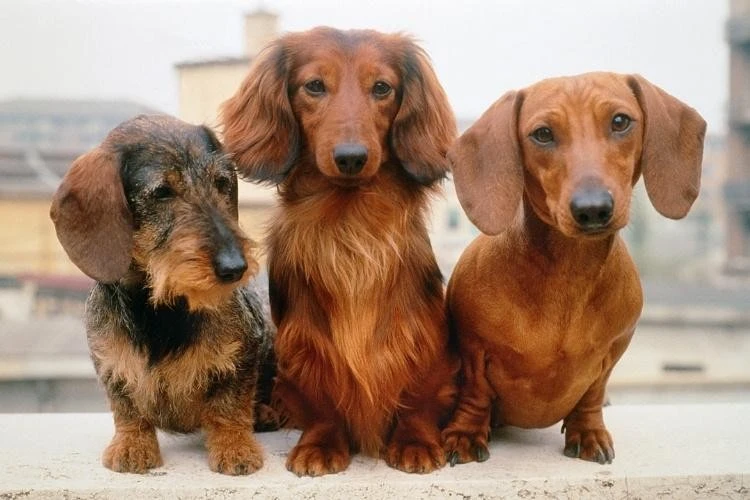

Dachshunds all have the same cute “sausage dog” frame, with extremely long bodies and short legs. But their sizes may differ. Some remain small dogs, even as adults, while others grow a bit larger. If you already have a Dachshund in your life or are considering adding one to your family, you may be curious about how big your pup should be. This post will walk you through the different Dachshund sizes and how to help your pup maintain an ideal weight.
How Dachshunds Are Classified
The American Kennel Club states that Dachshunds come in two sizes: Standard or Miniature. Going by AKC breed standards, a typical Miniature Dachshund weighs 11 pounds or less when they're 12 months or older, while a Standard Dachshund reaches between 16 and 32 pounds.
Unlike breeds with separate genetic pools (like Standard Poodles vs. Toy Poodles), the AKC considers all Dachshunds to be the same single breed. Standard and Miniature designations are based strictly on mature adult weight, not separate genetic sub-species.
The strongest factor affecting this breed's adult size is genetics. A puppy with Standard parents is less likely to grow into a Miniature Dachshund. Giving a Miniature pup extra food in hopes that they'll reach Standard size can make them gain additional weight fast, but it doesn't safely change their genetic size category. If they breed with another Miniature Dachshund, their extra weight won't automatically make their puppies naturally grow into Standard Dachshunds.
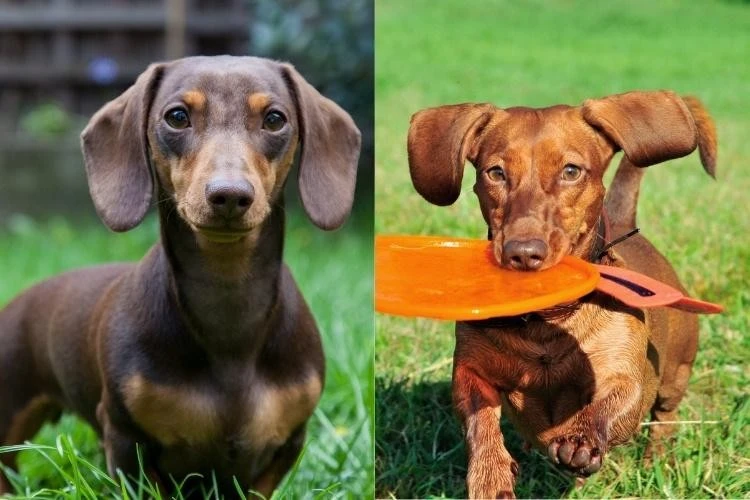
Photos by James Player from Getty Images Pro and petrovaliliya from Getty Images on Canva.
What Are the Differences Between Miniature and Standard Dachshunds?
Weight
Generally, a Miniature Dachshund weighs 11 pounds or lower. On the other hand, a Standard Dachshund sits at 16 to 32 pounds.
These estimates are based on AKC breed standards. They aren't universal rules, meaning the ideal body weight for each Dachshund depends on the size of their skeletal frame, their muscle mass, age, and health status. A 10-pound Mini with a very small natural frame might be overweight, while a 20-pound Standard Dachshund could be at the right weight for their natural build.
Adult Height
A Miniature Dachshund is around five to six inches tall at the shoulder. Because a Standard Dachshund is about eight to nine inches tall, they might appear taller when standing next to a Mini.
The AKC doesn't consider height when classifying Dachshunds, though. So while changes in your puppy's height can help you track their growth, you can't tell if they’re a Mini or a Standard just by their height alone.
What Do These Differences Mean for Dachshund Parents?
As Standard and Miniature Dachshunds are the same breed, they have similar basic needs.
- ●Food Portions: A Standard usually eats more than a Mini. There aren’t fixed serving sizes for either breed variety. If you’re feeding your pup store-bought food, check the guide on the dog food package. These guides usually base portion recommendations on weight and age, so you can adjust the suggestions with your furry baby’s activity levels and health conditions in mind. You can ask your vet for daily calorie targets if you’re unsure.
- ●Beds and Crates: Both Minis and Standards need enough wiggle room, though the latter may require longer beds and larger crates than the former. Measure your Dachshund’s length in a straight line from the tip of their nose to the base of their tail and keep the number in mind when selecting a bed. Add three to four inches to that measurement when choosing a crate. A 24-inch crate and a 24- to 30-inch bed are usually fine for an adult Mini, while an adult Standard’s crate and bed can be 30 and 30-36 inches long, respectively.
- ●Harness: Your puppy's harness should fit snugly around their chest without rubbing behind their front legs. Minis may use smaller harnesses than Standards, but measure your dog’s chest and check where that number falls on the manufacturer’s sizing chart to be sure you’re getting the right size.
Does a Dachshund's Size Affect Their Personality?
A Dachshund’s temperament isn't dependent on their size. Dachshunds are known to be playful, affectionate, curious, alert, and sometimes stubborn. They're also vocal, so they may bark when excited or bored.
Each puppy’s temperament is shaped by factors such as their genetics, how they were socialized and trained, their health, and experiences they have every day. If you're still looking for a puppy, ask the breeder how they respond to unfamiliar surroundings (and act around other animals, especially if you already have pets). That information will help you decide if they'll be a good match for you.

Photo by BlueChipmunk from Getty Images on Canva.
How Fast Does a Dachshund Puppy Grow?
A Dachshund puppy grows consistently during their first six months. Minis might reach their adult size by nine months, while some Dachshunds continue growing for closer to a year. Though Dachshunds are considered fully grown by 12 months, some may continue to fill out until they're two years old.
In the chart below, we've put together the estimated growth pace for Dachshund puppies within their first year. Please keep in mind that these figures are neither official standards nor targets that your puppy must reach.
| Age | Miniature Dachshund | Standard Dachshund |
|---|---|---|
| 3 months | 5–6 pounds | 7–14 pounds |
| 6 months | 8–9 pounds | 11–25 pounds |
| 9 months | 10–11 pounds | 14–30 pounds |
| 12 months | 10–11 pounds | 16–32 pounds |
A healthy Dachshund puppy may weigh lower or higher than the estimated range for their age. We recommend weighing your puppy every three to four weeks during their first year to keep track of how fast they're growing.
Checking How Much Your Dachshund Weighs at Home
Many owners use a pet scale or a bathroom scale. If you use a pet scale, place your Dachshund on it and record the reading when they're sitting or standing still.
A bathroom scale can also work, but because it's meant to measure human body weight, you'll need to stand on it while holding your dog. Note the figure, then subtract your personal weight from the combined reading. For example, if you weigh 150 pounds alone and 158 pounds while holding your puppy, your Dachshund weighs 8 pounds.
What If Your Dachshund Is Neither a Standard nor a Miniature?
Some adult Dachshunds weigh more than 11 pounds but less than 16 pounds. These Dachshunds are called “Tweenies,” with their weights falling between 12 and 15 pounds.
“Miniature” and “Standard” are only official descriptions. They aren't health targets. You don't have to overfeed a 14-pound Standard or underfeed a 12-pound Mini just so they fit into formal weight ranges. Your veterinarian can help you decide whether your Dachshund’s weight suits their natural frame.
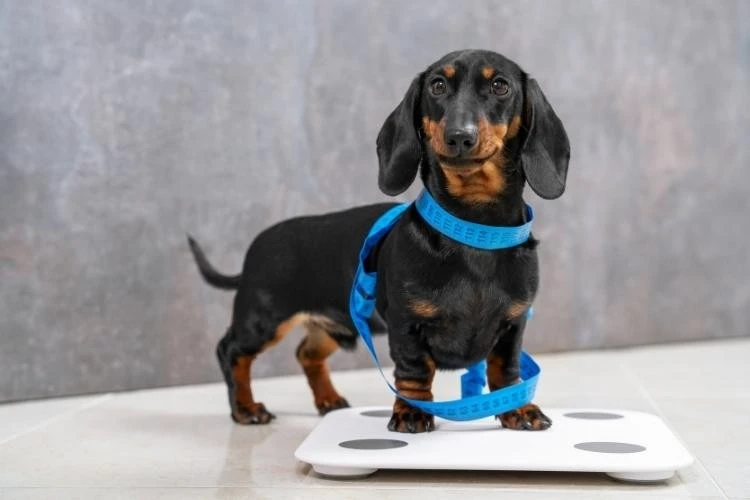
Photo by Ирина Мещерякова from Getty Images on Canva.
Helping Your Dachshund Maintain a Healthy Weight
Maintaining a healthy weight helps your Dachshund stay agile. It can also make everyday activities such as walking and playing easier on their short legs and long back.
Feed Them a Balanced Diet
Use the feeding guide on the packaging as a starting point. Your dog may need more or less depending on their age, weight, exercise, health, and whether they’ve been spayed or neutered. When giving treats for good behavior, remember that they count towards your dog's total daily food intake.
You may need to adjust their food portions if their activity level changes because of illness, recovery, age, or a new routine. Speak with your veterinarian before making a large reduction or increase, especially while your Dachshund is still growing.
Let Them Engage in Safe Exercises Regularly
Regular exercise helps your Dachshund maintain an appropriate muscle mass and burn energy. Their routine should suit their age and current fitness level.
Examples of suitable activities are:
- ●Short walks
- ●Searching for toys indoors
- ●Playing fetch
- ●Working through puzzle feeders.
Schedule Regular Weight Checks With Your Veterinarian
Through regular veterinary visits, you can maintain a reliable record of your Dachshund’s growth and weight over time. Your veterinarian can compare each result with earlier measurements and check whether changes are normal. These checks are particularly useful when the dog is still a puppy.
If you notice that your dog's size is increasing or decreasing rapidly, or their abdomen looks swollen, it’s important to take them to the vet.
Find a Breeder Who Gives You Clear Information About Your Dachshund's Size
A trustworthy breeder should give you a realistic idea of how big your Dachshund may become without promising an exact adult weight. They should tell you whether the puppy’s parents are Miniature or Standard and disclose whether smaller or larger Dachshunds appear elsewhere in the bloodline.
While breeders can typically predict a Dachshund's adult weight at six weeks, they should also be honest about the limits of those estimates. Puppies from a single litter can reach different adult sizes, so no breeder can guarantee that a puppy will remain under 11 pounds or fall neatly within the Standard range.
When reviewing available Dachshunds for sale on HonestPet, you can get in touch with the breeders to learn more about the puppies’ parentage and current size.
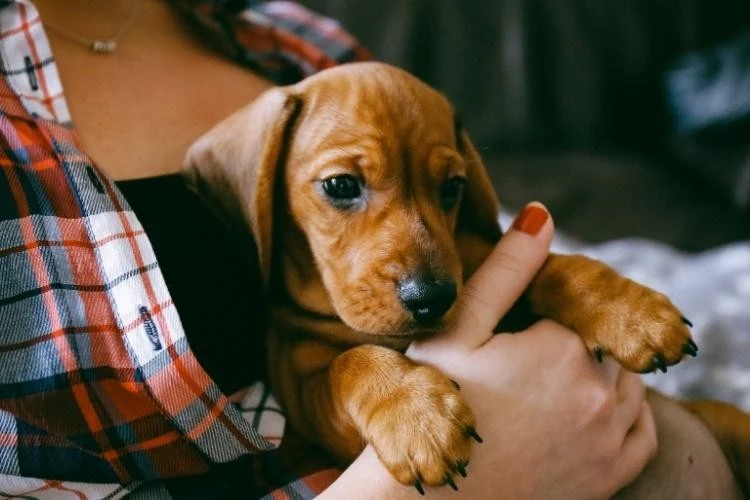
Photo by Alena V on Canva.
Frequently Asked Questions
Can Being Overweight Affect a Dachshund’s Health?
Helping your Dachshund maintain a healthy weight is good for their heart, joints, mobility, and overall well-being. Being above an ideal weight can increase their risk of health concerns such as diabetes and heart disease. It can also place additional strain on their long back and short legs.
How Big Is a Full-Size Dachshund?
A Dachshund’s adult size depends on their genetics and other factors such as health conditions and feeding patterns. If the Dachshund is a Standard, they usually reach 32 pounds and are 8 to 9 inches tall. Minis, on the other hand, are much smaller. They often stay under 11 pounds.
There's no fixed number that a Dachshund must reach on the scale for them to be “full-size.” Their weight will also change over time.
What Are the Three Sizes of Dachshunds?
The two officially recognized sizes for this dog breed are Miniature and Standard. The third size is a “Tweenie,” which is an informal term for a Dachshund who’s bigger than a Mini but smaller than a Standard.
Does a Dachshund’s Coat Pattern Determine Their Size?
No, a purebred Dachshund's coat variety doesn't determine their size. Both Minis and Standards can be longhaired or wire-haired. Smooth Dachshunds come in both size ranges too. Coat color doesn't play a role, either. Dachshunds of any color, including tan, blue, wild boar, and chocolate, can grow to any size.
A cross between a Dachshund and another breed that's typically large, such as a Golden Retriever, may produce a bigger dog. The crossbred dog may look like a Golden, but the coat pattern itself doesn’t determine their size.
Are Male Dachshunds Bigger Than Females?
Male Dachshunds may be slightly more muscular than females, but gender alone doesn’t determine their size. Their parents’ sizes and the genes they inherit influence their adult weight.
What Is a Kaninchen Dachshund?
“Kaninchen” is a size classification used in some countries and kennel systems outside the United States. It generally refers to a Dachshund that's smaller than a Miniature and weighs 8 pounds. The AKC doesn’t recognize Kaninchen as a separate Dachshund size.
Can Two Miniature Dachshunds Have a Standard-Sized Puppy?
It’s possible for a puppy from two Miniature parents to grow larger than expected, particularly if there are larger Dachshunds in their bloodline. The surest way to know how big a puppy will become is to wait till they reach adult size.
Conclusion
Being outside official size ranges doesn't make a Dachshund automatically unhealthy. A Standard puppy with a smaller frame can weigh under 16 pounds, while another baby from the same litter can grow over 32 pounds and still be perfectly healthy.
As your puppy grows, keep track of their weight and speak with your veterinarian if you notice sudden changes. If you haven't brought your Dachshund home yet and are still searching for a responsible breeder who'll answer all your questions, including those about size, you can explore verified listings on HonestPet.
Ready to Get Started?
Find your perfect puppy and start your journey today!