
Most of us can name ten dog breeds without thinking twice — Labs, Goldens, Frenchies, Poodles. But the dog world has over 200 recognized breeds, and most people have only ever met about twenty of them in real life.
That means there's a whole bevy of rare and unique breeds walking among us you didn't even know existed. Picture a dog with six toes on each foot, a hairless breed with roots in ancient Egypt, or a dog that "talks" instead of barking. These aren't made-up creatures; they're real, registered dog breeds with centuries of history behind them.
Here's the catch: rare also means harder to find responsibly. Before the list of unusual dog breeds that's about to become your new favorite trivia category, let's talk about how to bring one home the right way, and why that matters more than people realize.
Key Takeaways
- ●Rare doesn't mean unhealthy, but it does mean you need to vet the breeder more carefully.
- ●The same harmful demand for novelty that hurts rare breeds also shows up in popular breeds when a specific trait or color becomes trendy.
- ●A trustworthy breeder or platform should be verifiable on three things: vetting, health claims, and after-sale support.
- ●Rarity just reflects low registration numbers, not poor breed quality or health.
How to Find a Rare Dog Breed the Right Way
Before you fall for any breed on this list, it helps to know how to find one without supporting an irresponsible breeder. This matters even more with a rare dog breed than a popular one — fewer reputable breeders means buyers sometimes settle for the first option they find, including unverified importers or backyard operations. Long waitlists can also pressure people into skipping due diligence, which is exactly the gap that unethical breeding tends to slip through.
The difference shows up fast once a puppy is home. Dogs raised by careful, ethical breeders generally start life stronger, with solid early nutrition, true socialization, thorough health checks, and vaccines administered on schedule. Dogs bred at puppy mills usually don't get that healthy start. Overbreeding, crowded or unsanitary conditions, and skipped health screening are common in that world, and they tend to show up later as inherited health issues or a weaker immune system.
So how do you actually tell the two apart before bringing a puppy home? Don't take a seller's word for it. Look for proof of three things instead:
Who's Doing the Vetting, and How?
A responsible breeder or platform should offer more than a claim of being "ethical." There should be an actual screening process behind that label, things like background checks, in-person site visits, or a documented breeder verification step, before any puppy is ever listed for sale.
Who Stands Behind the Health Claims?
A health guarantee carries real weight once a licensed vet has reviewed it, rather than just appearing in marketing copy.
What Happens After the Puppy Goes Home?
A trustworthy source stays reachable. Continued access to training support or guidance if a health concern comes up later is a sign you're dealing with more than a one-time transaction.
At HonestPet, we uphold the same strict ethical standards unfailingly. Every breeder we partner with must follow our breeder guidelines before a single puppy is listed; we keep puppy mills entirely out of the pool. Every puppy for sale also comes with full health documentation, and breeder transparency from day one. Whichever breeder or platform you ultimately choose, this is the checklist worth running through first.
Irresponsible Breeding Hurts Rare Dog Breeds
Here's something most rare dog breed lists skip: rarity creates demand, and demand creates pressure to produce a breed, color, or trait faster than responsible breeding allows.
That pressure shows up as real, avoidable suffering: breeding dogs too young or too often, keeping breeding animals in poor conditions, skipping genetic health testing to chase a rare coat color, or inbreeding small populations so aggressively that health problems get concentrated rather than reduced.
Some of the traits that make a breed "unusual," like certain coat colors, extreme textures, hairlessness, or unique body proportions, are exactly what irresponsible breeders chase hardest, since novelty sells. This dynamic isn't limited to rare breeds, either; it shows up inside popular breeds, too. French Bulldogs are a documented example, and this French Bulldog Colors guide explains how rare coat colors in one of America's most common breeds can pose real breeding-related risks.
This is precisely why the breeder behind a rare puppy matters as much as the breed itself.
What Makes A Dog Breed "Rare"?
The American Kennel Club tracks rarity using registration data. It's about how many puppies get registered each year,not how good or healthy the breed is.
A breed usually ends up rare for one of a few reasons: its original working purpose, like otter hunting or puffin hunting, no longer exists; it stayed geographically isolated in its home country for generations; only a small, dedicated pool of breeders kept it going; or it's brand new and hasn't built a following yet.
Rare doesn't mean unhealthy or unstable on its own. As the previous section covered, it does mean buyers need to look more carefully at who they're buying from.
10 Rare Dog Breeds With Fascinating Histories
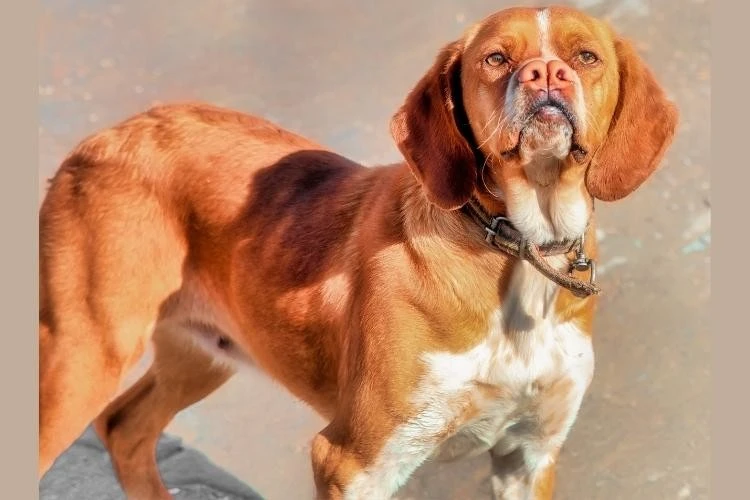
Image by Haykirdi from Getty Images Signature via Canva
These rare dog breeds earned their spot on this list because of how rich their backstories are, not just because of where they sit in the AKC's rarity rankings.gilmour
Norwegian Lundehund
The Norwegian Lundehund sits at the top of the AKC's rarest breeds list. This rare dog was originally bred to hunt puffins along the steep, rocky cliffs of Norway's coast. It has six toes on each foot instead of the usual four or five, plus a neck flexible enough to fold backward over its own spine, letting it squeeze into tight crevices while chasing birds. It can also close its ears to keep out dirt and water, and it's affectionate, vocal, and more than a little mischievous.
Sloughi
The Sloughi, sometimes called the Arabian Greyhound, is a North African sighthound used for desert hunting for over a thousand years. This hunting dog is reserved with strangers but bonds closely with its own family. It has a smooth coat that needs little upkeep, but its strong prey drive means it's not the best fit for homes with smaller pets.
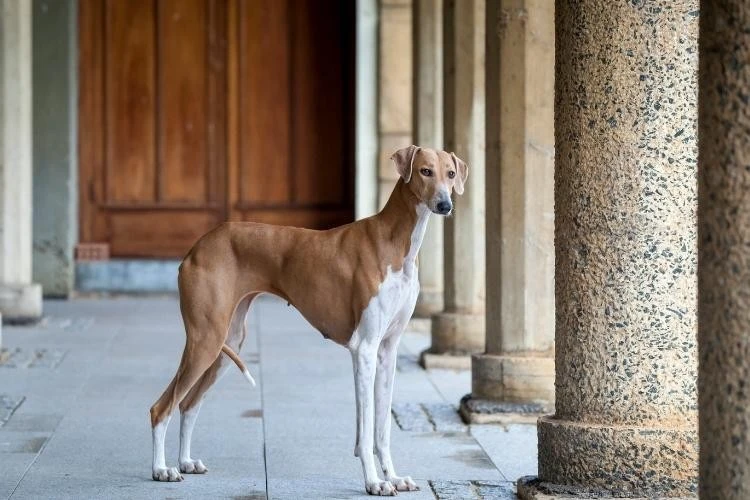
Azawakh
The Azawakh comes from West Africa, where Tuareg communities bred it for endurance hunting across the Sahara. This rare breed is famous for an almost cat-like independence paired with deep loyalty to its family. With roughly 1,000 estimated worldwide, it's one of the rarest sighthounds anywhere, and a distinctive example of a West African sighthound built purely for stamina.
Grand Basset Griffon Vendéen
The Grand Basset Griffon Vendéen, often shortened to GBGV, is a French scent hound bred for hunting small game through dense, rocky terrain in the Vendée region. This shaggy-coated, droopy-eared hound packs a big personality into a medium frame. Because of its strong prey drive, the Grand Basset Griffon Vendéen tends to do best with experienced owners.
Otterhound
The Otterhound was bred specifically to hunt otters in England before that practice became illegal. This rare dog breed has webbed feet, a thick, waterproof coat, and a nose strong enough to track scent underwater. It's considered functionally endangered today, with very few purebred Otterhounds left worldwide.
Bergamasco Sheepdog
The Bergamasco Sheepdog is a nearly 2,000-year-old Italian herding breed, easy to spot thanks to its felted, matted coat. That dense coat develops into thick "flocks" of hair that protect it while working in harsh mountain climates. This Bergamasco Sheepdog is independent but loyal, suited to an owner ready for the grooming commitment.
Catalburun
The Catalburun is a Turkish hunting dog best known for a genuinely split nose, a trait found in almost no other dog breed on earth. Some experts believe the breed's rarity is tied to the inbreeding required to preserve that unusual feature. It was originally bred for scent tracking across difficult terrain.
Thai Ridgeback
The Thai Ridgeback is instantly recognizable thanks to a reversed ridge of fur running down its spine, a trait shared by only a couple of other breeds in the world. Originally a multi-purpose hunting and guard dog in Thailand, the Thai Ridgeback is athletic and alert, and is still gaining broader recognition outside its home country.
Cesky Terrier
The Cesky Terrier holds a unique title: it's the only AKC-registered breed that originated in the Czech Republic. This rare breed was created by crossing a Scottish Terrier and a Sealyham Terrier, and it's easy to spot thanks to its long, silky gray coat and signature beard and eyebrows.
Belgian Laekenois
The Belgian Laekenois is a large, rare dog breed related to Belgian Sheepdogs, Belgian Malinois, and Belgian Tervuren. Like its cousins, the Belgian Laekenois originated in Belgium, where it worked as a herding dog and guardian for livestock. It's known for intelligence, loyalty, and a highly energetic nature that needs an active outlet.
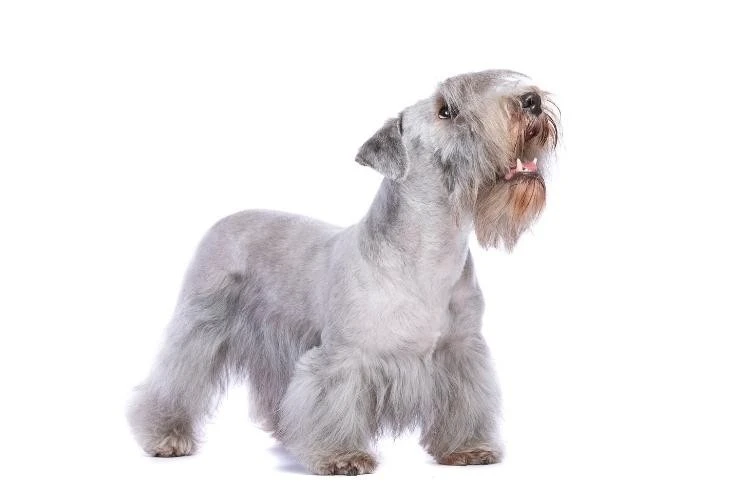
Image by Eriklam from Getty Images via Canva
Most Unusual Dog Breeds (Beyond Just Rare)
Some breeds aren't just uncommon, they're genuinely unusual in ways that have nothing to do with low registration numbers.
Strangest Physical Traits
A handful of rare dog breeds stand out purely because of their body structure, such as:
- ●Extra Toes and A Folding Neck: The Norwegian Lundehund's six toes per foot and flexible neck let it navigate rocky crevices most dogs can't reach.
- ●A Split Nose: The Catalburun is one of the only dog breeds in the world with this trait, a result of limited breeding to preserve it.
- ●A Hairless Coat: The Xoloitzcuintli's lack of fur traces back thousands of years and remains its most recognizable feature.
- ●A Reversed Fur Ridge: The Thai Ridgeback's ridge grows in the opposite direction from the rest of its short coat.
Strangest Behaviors And Talents
Other rare breeds earn their "unusual" status through skills most dogs simply don't have.
- ●Ears That Close on Command: The Norwegian Lundehund can fold its ears shut to keep out dirt and water.
- ●Climbing Ladders: The Telomians' ability to climb ladders developed because the Orang Asli built homes on stilts.
- ●A "Talking" Bark: The Finnish Spitz has a distinctive yodel-like bark, sometimes described as "talking," traditionally used while hunting small game. This is one of several unique characteristics that set the Finnish Spitz apart from nearly every other breed.
- ●Tracking Scent Underwater: The Otterhound's nose can follow a scent trail even below the surface of a river.
Strangest Origin Stories
A few rare dog breeds stand out simply because of how they came to exist.
- ●A Single Antarctic Expedition Dog: The Chinook traces its origins to one sled dog that accompanied a 1920s Antarctic expedition, and only a few hundred Chinooks exist today.
- ●The Only Dog Native to Louisiana: The Catahoula Leopard Dog's roots go back to the mid-1700s, when French settlers crossbred local dogs with Beauceron herding dogs. This Catahoula Leopard Dog was originally bred to hunt wild boar in the swamps of central Louisiana. It later became known for its natural ability to herd livestock, earning AKC recognition as a herding breed in 1996.
- ●Roots in Ancient Pottery: The Peruvian Inca Orchid's history dates back to roughly 750 A.D., depicted on pottery and textiles from the region.
Rare Small Dog Breeds For Apartments And Families
Not every rare dog suits every household. High-drive hunting dog breeds like the Sloughi, Azawakh, and Grand Basset Griffon Vendéen need space, exercise, and an experienced owner. Other rare dog breeds, like the Cesky Terrier covered above, adapt much more easily to apartments and family life.
Rare isn't the only way to get a small dog with serious personality, though. If a breed from this list has you thinking more about temperament and size than rarity itself, well-loved toy breeds, such as the Yorkshire Terrier, Chihuahua, Shih Tzu, and Pomeranian bring a lot of that same big-personality-in-a-small-body charm. They're also far easier to find, with shorter waitlists than most breeds on this list.
Other Lesser-Known Breeds Worth A Mention
A handful of additional rare dog breeds didn't make the main list but deserve a quick nod.
- ●Canaan Dogs: The national dog of Israel, Canaan dogs descend from semi-wild pariah dogs redomesticated alongside humans in the early 20th century. With erect ears and an alert expression, Canaan dogs were used to guard livestock and herd sheep, and remain loyal companions and capable guard dogs today.
- ●Pyrenean Shepherd: This small herding dog has worked the Pyrenees Mountains for centuries, helping shepherds manage flocks of sheep. Pyrenean Shepherds require regular exercise and mental stimulation, as they’re among the more energetic dogs in the herding group.
- ●Polish Lowland Sheepdog: Known for a thick coat and an athletic build, this herding breed from Poland is intelligent and good with children, though the Polish Lowland Sheepdog's double coat calls for steady attention to grooming needs.
- ●Skye Terrier: From Scotland's Isle of Skye, the Skye Terrier was originally bred to hunt foxes, badgers, and otters, growing a dense coat for protection. It has a unique appearance and is among the most devoted and loyal dogs in rare breeds.
- ●American Foxhound and English Foxhound: Both hunting dog breeds were bred for pack hunting; the English Foxhound was recognized by the AKC in 1909 and is known as an active, gentle companion. The American Foxhound shares that same calm, friendly temperament at home.
- ●American English Coonhound: Descended from English Foxhounds brought to America in the 17th and 18th centuries, this hunting dog was bred to track raccoons by scent and is among the more athletic dogs in the hound group, needing regular exercise to stay content.
- ●Cirneco dell'Etna: Named after Sicily's Mount Etna, this athletic sighthound resembles ancient Egyptian hounds was likely developed in the Mediterranean thousands of years ago. The Cirneco dell'Etna remains a true rarity outside its native Sicily.
- ●Chinook: Developed in New Hampshire as a sled dog, the Chinook is now that state's official dog. It combines a working breed's stamina with a laid-back, affectionate nature, making it an excellent companion for active families.
- ●Fila Brasileiro: Not AKC-recognized, this large Brazilian guard dog has thick, large bones and a powerful build, bred to guard livestock and track game. It's intensely loyal but suited to experienced owners due to its size.
Frequently Asked Questions
What Is the Rarest Dog Breed In the World?
Based on AKC registration data, the Norwegian Lundehund currently holds the top spot among rare dog breeds in the United States. Rankings shift from year to year as new breeds gain AKC recognition.
Why Are Some Dog Breeds Rare?
A dog breed usually becomes rare for a few reasons:
- ●Its original working purpose has become obsolete.
- ●It has remained geographically isolated for generations.
- ●Only a small pool of breeders keeps it going.
- ●It's a newer breed that hasn't built a following yet.
Are Rare Dog Breeds More Expensive Than Common Breeds?
Generally, yes, due to limited breeder availability and higher demand relative to supply. A high price tag alone doesn't guarantee a responsible breeder, so buyers should still vet sourcing carefully.
Are Rare Dog Breeds Harder to Train Than Popular Breeds?
It depends more on the breed's history and drive than rarity itself. Hunting dog breeds like the Sloughi, Azawakh, and GBGV often need experienced owners due to prey drive, while others, like the Cesky Terrier, are highly trainable with consistent training.
Do Rare Dog Breeds Have More Health Problems?
Not inherently. Health risk has more to do with population size and how carefully breeders manage genetic diversity than with rarity itself. Smaller gene pools raise risk, which is exactly why a vetted, health-testing breeder matters even more.
How Do I Find A Reputable Breeder for A Rare Dog Breed?
Look for a breeder who openly shares health testing records, can speak knowledgeably about the breed's history and temperament, doesn't pressure fast decisions, and has a track record you can actually verify.
Does Breeding for Rarity Cause Health or Welfare Problems?
It can, when demand for an unusual trait outpaces responsible breeding. Chasing a rare color or trait can push breeders toward over-breeding or skipping health testing, all of which can concentrate inherited health issues.
Can Rare Dog Breeds Be Mixed Breeds, or Only Purebred?
Most "rare breed" rankings, including the American Kennel Club's, refer to purebred dogs with low registration numbers. Some mixed breeds feel uncommon in certain regions, too, though they aren't tracked the same way.
What's the Difference Between A Rare Breed and An Endangered Breed?
"Rare" describes low numbers in a population or registry, while "endangered" implies a species risks disappearing without active conservation. The Otterhound is a commonly cited example. Not all rare breeds are endangered, but all endangered breeds are rare.
How Long Is the Wait for A Rare Dog Breed Puppy?
Waitlists vary, but rare breeds often mean longer waits than popular breeds, sometimes a year or more, simply because there are fewer breeders and litters. Treat an unusually short wait as a red flag worth looking into.
Conclusion
Rare doesn't mean risky, but it does mean doing your homework on where the puppy comes from. The sourcing guidance at the top of this article applies to every single breed covered here, whether it's a hunting dog with a thousand-year history or a small companion breed that's just starting to gain attention.
From history-rich working dogs like the Catahoula Leopard Dog and the Pyrenean Shepherd, to genuinely unusual standouts like the Norwegian Lundehund and the Cirneco dell'Etna, every breed here deserves a spot on anyone's "dog breeds to know" list.
Love and care for any dog start with a breeder you can trust, and that's exactly what our vetting process is built around. If you're ready to explore your options, browse our available puppies and see the kind of complimentary lifetime trainer support that should come with any new dog.
Ready to Get Started?
Find your perfect puppy and start your journey today!