

If you want to get a Dachshund or a Terrier puppy, you’re probably wondering which breed's personality would be the most compatible fit for your family. These little pups are versatile, making them a favorite of families, apartment dwellers, and first-time dog owners. They're full of character, loyal to their people, and surprisingly bold for their size. However, that's where their similarities end.
Dachshunds are long-bodied, short-legged, friendly dogs known for their love and loyalty to their people. They enjoy spending time with their favorite people and can form close bonds with them. On the other hand, Terriers, such as Yorkshire Terriers, provide more energy to the family. They’re confident, inquisitive, and always eager to see what comes next.
At first glance, the differences seem minor. However, they influence a breed's training and exercise regimen as well as its compatibility with your family and home. Knowing what makes these types of dogs so distinct can help you choose a puppy you'll enjoy living with for years to come.
Key Takeaways
- ●Dachshunds are loving and devoted dogs that require moderate amounts of exercise.
- ●Yorkshire Terriers are lively, confident, and social dogs who enjoy being around people in their families.
- ●Both dog breeds were originally hunters and are, therefore, independent by nature.
- ●Dachshunds tend to be easier to handle and train for first-time owners than Yorkshire Terriers.
- ●Yorkshire Terriers usually need more grooming and physical activity than Dachshunds.
- ●Responsible breeding, early socialization, and ongoing care can help your dog thrive for many years.
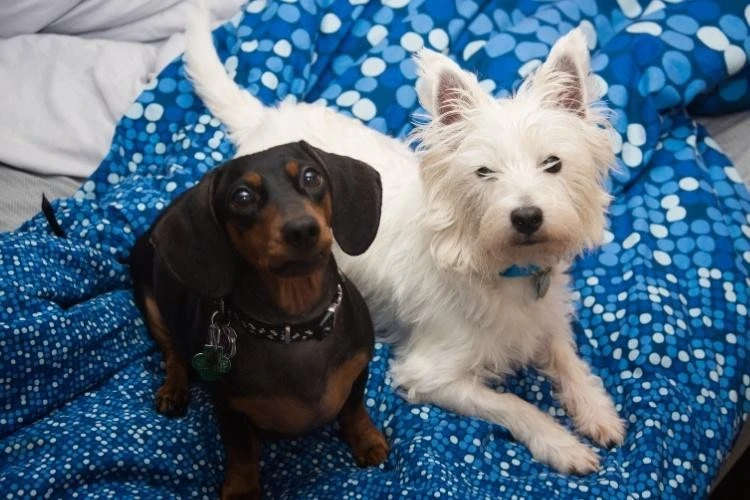
Image by IanDikhtiar from Getty Images on Canva
Dachshund vs Terrier: Appearance and Breed Background
While comparing these breeds, don’t limit yourself to looks. The breed's body structure is the result of generations of breeding that have shaped its characteristics and behavior. Being familiar with the backgrounds of these breeds can help you pick one that fits your lifestyle and routine perfectly.
Originally Bred for the Hunt: How History Shaped These Breeds
Dachshunds were originally bred in Germany to hunt badgers and other burrowing animals. Their long bodies and short legs helped them move through underground tunnels and pursue quarry below the surface. In fact, the name Dachshund means badger dog in German (American Kennel Club [AKC], n.d.-a; Fédération Cynologique Internationale [FCI], 2019).
Terriers also earned their reputation as hunters, but they focused on rodents, foxes, and other small prey. Although the Terrier group includes a diverse mix of breeds, most share the same bold attitude, persistence, and willingness to dig after a target. Farmers valued these traits because they helped control pests around homes and barns (AKC, n.d.-b; The Kennel Club, n.d.).
Both breeds often worked beyond their handler's immediate reach. As a result, they learned to solve problems independently and make decisions on their own. This is why they're sometimes stubborn during training. Consistent, reward-based methods usually work best for these breeds. Evidence-based research on positive reinforcement training continues to support its effectiveness across a wide range of breeds, including Dachshunds and Terriers (AKC, n.d.-a; AKC, n.d.-b).
Size and Physical Characteristics
| Feature | Dachshund | Typical Terrier |
|---|---|---|
| Breed Group | Hound Group | Terrier Group |
| Originally Bred For | Hunting badgers and other burrowing game | Hunt rodents, foxes, and vermin |
| Average Height | 5-9 inches | 8-15 inches |
| Average Weight | 11-32 lbs | 4-25 lbs |
| Body Structure | Long body with short legs | Compact, balanced frame |
| Leg Length | Short due to chondrodystrophy | Proportionate to body size |
| Coat Types | Smooth, long-haired, wire-haired | Smooth, rough, broken, wiry, or silky |
| Grooming Needs | Low to moderate | Low to high, depending on breed |
| Energy Level | Moderate | Moderate to high |
| Hunting Style | Track and pursue prey underground | Locate and flush prey above ground |
| Exercise Needs | Daily walks and moderate activity | Higher activity levels and mental stimulation |
| Family Fit | Often thrives in quieter homes | Often suits active families |
| Lifespan | 12-16 years | 11-15 years (varies by breed) |
| Distinctive Trait | Long back and short legs | Athletic build and quick reflexes |
Important Note: Terrier characteristics vary among breeds such as the Yorkshire Terrier, West Highland White Terrier, Cairn Terrier, and Jack Russell Terrier.
A couple of physical traits immediately set Dachshunds apart. Their elongated bodies and short legs create one of the most likable physical appearances in the dog world. These features help them move through narrow tunnels while tracking prey underground (FCI, 2019).
Terriers show greater variation in appearance because the group includes many breeds. Even so, most Terriers share sturdy frames, quick movement, and impressive endurance. These qualities have supported their working roles for generations and continue to influence their behavior today (AKC, n.d.-b; AKC, n.d.).
At HonestPet, we work with verified breeders who follow responsible breeding practices and our strict ethical standards to preserve these historical traits. With health-focused programs, lifetime support, pet insurance benefits, and compassionate guidance throughout the process, we connect families with well-socialized, healthy Dachshund and Yorkshire Terrier Puppies.
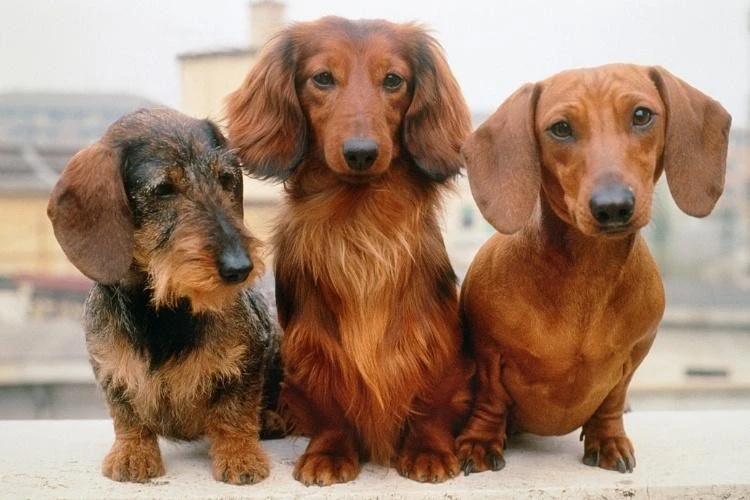
Image by DarioEgidi from Getty Images Signature on Canva
Temperament and Personality Differences
While both breeds can be loving companions, their personalities often appeal to different types of owners.
The Dachshund Family Personality
Dachshunds are affectionate, loyal, and protective. Many owners describe these doxies as dogs that form deep bonds with their people. They love physical closeness and often follow family members from room to room. Because they enjoy cuddling and companionship, they're excellent lap dogs.
Dachshunds also tend to protect their homes and families. They bark when visitors arrive and often act much bigger than their size (AKC, n.d.-a). With proper socialization, a Dachshund family dog can become a devoted companion that thrives on attention and interaction.
When comparing a Dachshund vs. a Yorkshire Terrier, the Yorkie typically offers a more energetic and alert personality. Dachshunds, on the other hand, often seek more physical closeness and may spend more time cuddling with their families. Both breeds are affectionate, but they tend to express that affection in different ways (AKC, n.d.-a; AKC, n.d.-b).
Typical Terrier Personality
Terriers bring a different type of energy to the household. A typical terrier personality is confident, entertaining, curious, and highly active. These dogs often approach life at full speed. They enjoy games, exploration, and staying busy.
Many Terriers remain playful well into adulthood. Their confidence can sometimes appear stubborn, especially when they become focused on something that catches their attention. West Highland White Terriers, for instance, are known for being cheerful and outgoing.
Yorkshire Terriers combine that classic Terrier spirit with a strong attachment to their families. Despite their small size, Yorkies are bold, curious, and surprisingly fearless. They enjoy staying close to their people and often form deep bonds with their owners (American Kennel Club [AKC], n.d.-b).
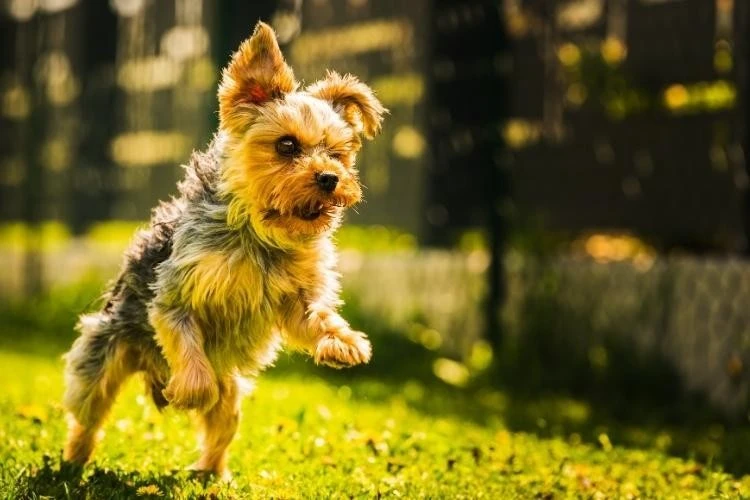
Image by Przemyslawiciak on Canva
Training and Exercise Needs
Which Breed Is Easier to Train?
The training process is difficult for owners of either breed. They’re both intelligent breeds and independent thinkers, which doesn't always make it easy for them to follow instructions. The best way to train these breeds is through positive reinforcement. However, first-time dog owners often find Dachshunds easier to handle and train than Terriers.
Terriers can get easily distracted by motion, smell, and hunting possibilities. To keep their attention, make your training sessions short and interesting. When you start training your dog, it’s important to be consistent rather than rigid.
Exercise Requirements
For Dachshunds, moderate exercise is necessary regularly to help develop muscles and maintain proper spinal health. On the other hand, Terriers tend to require more exercise. Most will require long walks and lots of activities every day.
Without adequate exercise, Terriers tend to dig or bark excessively to entertain themselves. If you're an active individual, a Terrier would make an excellent choice. However, if you prefer a less troublesome dog, then the exercise needs of a Dachshund are more reasonable.
Off-Leash Considerations
You can't trust these breeds off-leash in unsecured areas. Their hunting instincts are still very strong, and they can spring into action at the scent or sight of a squirrel, rabbit, or other animal. Most breeders recommend secure fenced yards for both breeds.
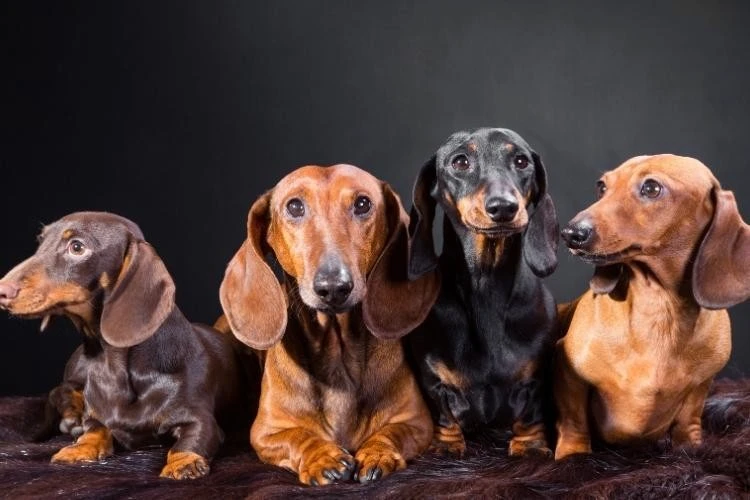
Image by Oxilixo from Getty Images on Canva
Health, Lifespan, and Long-Term Care
Common Dachshund Health Concerns
A key difference in the dachshund vs. terrier comparison is spinal health. Dachshunds face a much higher risk of Intervertebral Disc Disease (IVDD), a condition that causes spinal problems. Studies estimate that 15-25% of Dachshunds develop disc problems during their lifetime (Ball et al., 1982; AKC, n.d.).
Their long backs and genetic predisposition to chondrodystrophy (CDDY) increase this risk and can lead to pain, mobility problems, or even paralysis in severe cases (Brown et al., 2017). To help protect a Dachshund's spine:
- ●Limit stair use
- ●Discourage jumping on and off furniture
- ●Maintain a healthy weight
- ●Provide regular, moderate exercise
- ●Use ramps when possible
Common Yorkshire Terrier Health Concerns
Yorkshire Terriers are prone to several inherited health conditions. Patellar luxation, where the kneecap slips out of place, is one of the most common. Mild cases may cause occasional limping, while severe cases can require surgery (AKC, n.d.).
Yorkies also have a higher risk of tracheal collapse, which occurs when the cartilage supporting the windpipe weakens over time. This condition often causes a dry, honking cough, particularly during excitement or exercise (AKC, n.d.-b; ACVS, n.d.).
Another concern is a portosystemic shunt, commonly called a liver shunt. This congenital condition allows blood to bypass the liver, preventing proper toxin filtration. Symptoms may include poor growth, digestive issues, behavioral changes, and seizures (Merck Veterinary Manual, n.d.). Yorkies can also develop eye conditions such as cataracts and dry eye. Without treatment, these conditions may affect comfort and vision quality (AKC, n.d.-b).
Grooming and Daily Care
Grooming needs vary depending on the coat. Smooth-coated Dachshunds are easy to care for and only need occasional brushing. Long-haired and wire-haired varieties require regular brushing to keep their coats clean and free of mats.
Yorkshire Terriers need more frequent grooming. Their fine, silky coats tend to tangle easily without regular brushing and trimming. If you're considering a Yorkie, our Yorkshire Terrier grooming guide can help you understand the care needed to keep their coat healthy and looking its best.
Dachshund vs Terrier: Which Breed Fits Your Lifestyle?
Best for First-Time Owners
The Dachshund often earns the advantage here. While independent, many Dachshunds are easier for beginners to manage than high-energy Terriers. Early socialization and consistent training help create well-mannered adults.
Best for Active Families
The terriers usually take first place here. Thanks to their playful nature and love for being outdoors, they’re perfect for busy, active families.
Best Family Companion
The answer depends on the household. Before making your decision, take the time to learn about each breed, ask questions, and choose the companion that will fit your family for years to come. Dachshunds often fit quieter families looking for a loyal companion. Terriers usually thrive in active homes because they need plenty of exercise and engagement.
Both breeds can do well with children, but supervision is important. Rough play can be risky for Dachshunds because of their backs. Teach young children how to handle them carefully. Families seeking a calmer companion often lean toward a Dachshund, while those who enjoy outdoor activities prefer a Terrier.
Frequently Asked Questions
Are Dachshunds Considered Terriers?
Although both dogs have hunting backgrounds, the Dachshund belongs to the Hound Group while the Terrier belongs to the Terrier Group. Dachshunds were bred to dig out badgers, while terriers hunted vermin and small game. The similar hunting backgrounds make up some of their similar characteristics, but they’re separate breeds.
Can Dachshunds and Terriers Live with Cats?
Sometimes. Early socialization gives both breeds the best chance of living peacefully with cats. However, Dachshunds and Terriers were bred to chase prey, so some dogs may still want to pursue smaller animals. Introduce them to cats gradually, and don't forget to supervise interactions until they're comfortable together.
Which Breed Is Better for Apartment Living?
Dachshunds often adapt better to apartment life because they generally require less exercise than many Terrier breeds. Daily walks and moderate activity are still important, as they help build muscle and support spinal health. Yorkshire Terriers can also do well in apartments, but they typically have higher energy levels and need more mental stimulation throughout the day.
Which Breed Barks More?
Terriers often bark more frequently because they're naturally alert, energetic, and quick to react to changes in their environment. Dachshunds can also be vocal and make excellent watchdogs. The exact number of barking incidents varies from dog to dog, but you can reduce excessive barking through training, socialization, and regular exercise.
Which Breed Lives Longer?
Both breeds can enjoy long, healthy lives when they receive proper care. Dachshunds typically live between 12 and 16 years, while many Terrier breeds live between 11 and 15 years or longer. Factors such as genetics, diet, exercise, and preventive healthcare often have a greater impact on lifespan than breed alone.
Do Dachshunds Need More Exercise Than Terriers?
Most Terriers require more daily activity than Dachshunds. Dachshunds still need regular exercise to maintain a healthy weight and support the muscles that help protect their backs. A secure, fenced yard is helpful, but both breeds require supervision outdoors due to their strong hunting instincts.
Should I Choose a Dachshund or a Terrier?
The right choice depends on your lifestyle. Dachshunds often suit owners looking for a loyal, affectionate companion with moderate exercise needs. Terriers usually thrive in active households that offer ample physical activity and mental challenges. If you’re unsure which breed is the best fit, contact us via email or phone, and we'll help you make a confident decision.
Conclusion
When comparing Dachshunds vs. Terriers, be patient and learn about their personalities, exercise needs, and health needs. If you're looking for a loyal, affectionate dog that enjoys close family connections and moderate activity, a Dachshund is the perfect fit. If you want a spirited and energetic dog who loves action and activity, choose a Yorkie!
We know all puppies deserve a happy beginning, and at Honest Pet, our goal is to provide it. We only work with trusted, verified breeders who adhere to high standards of health, care, and ethical breeding practices. If you're thinking of getting a Dachshund or a Yorkshire Terrier, we're here to help you find a happy, healthy companion you'll love for many years to come!
References
- ●American Kennel Club. (n.d.). Yorkshire Terrier dog breed information.
- ●American Kennel Club. (n.d.-a). Dachshund dog breed information.
- ●American Kennel Club. (n.d.-b). Terrier group.
- ●Ball, M. U., McGuire, J. A., Swaim, S. F., & Hoerlein, B. F. (1982). Patterns of occurrence of disk disease among registered Dachshunds. Journal of the American Veterinary Medical Association, 180(5), 519–522.
- ●Brown, E. A., Dickinson, P. J., Mansour, T., Sturges, B. K., Aguilar, M., Young, A. E., ... Bannasch, D. L. (2017). FGF4 retrogene on CFA12 is responsible for chondrodystrophy and intervertebral disc disease in dogs. Proceedings of the National Academy of Sciences, 114(43), 11476–11481.
- ●Fédération Cynologique Internationale. (2019). FCI breed standard No. 148: Dachshund.
- ●Merck Veterinary Manual. (n.d.). Portosystemic shunts in small animals.
Ready to Get Started?
Find your perfect puppy and start your journey today!