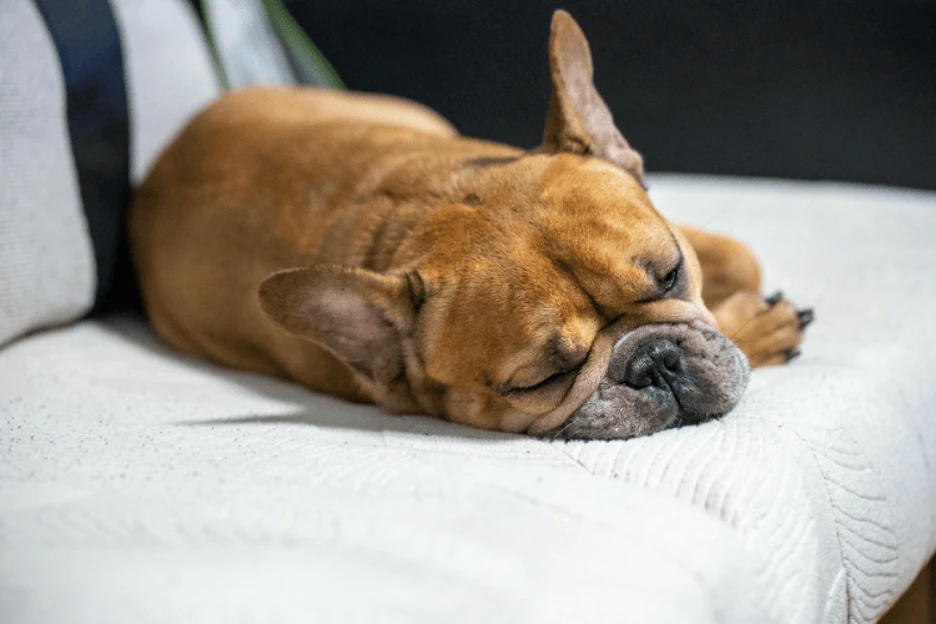

Short-nosed dogs are a popular breed among pet lovers, especially those looking for a devoted companion. These adorable pets have baby-like features and a companionable personality that triggers human nurturing instincts, making you want to spend all day caring for and genuinely loving them.
The experience is often highly rewarding, because these dogs are as affectionate as they look. They're friendly, loyal, and even protective of their owners. These characteristics combined are why, despite the health issues they sometimes pose, short-snouted dogs are still some of the most popular breeds in the United States today.
If your preference is a dog that can be your best friend and an everyday companion, then the Pug and French Bulldog are surely two options that have popped up on your screen multiple times. Both fit into that bracket and even look incredibly alike.
The choice starts to get complicated when you realize that their physical traits are not the only characteristics that define these loving creatures. The Pug and French Bulldog, despite both being brachycephalic pets, share a lot of distinctive traits that can influence your decision when getting one. The purpose of this article is to discuss these similarities and distinctions and ease your decision-making process.
Pug vs French Bulldog Origin
Pugs and French Bulldogs are both compact, brachycephalic dogs known for their distinctive looks and subtle personalities. Both go way back, with Ancient Asian origins refined through European influences.
Pugs originated from Chinese emperors around 400 B.C., bred as lapdogs for nobility. Eventually, Dutch traders brought them to Europe in the 16th Century, and after a Pug named Pompey famously saved the Prince of Orange's life, these dogs became popular among royalty in this region too. It was said that Queen Victoria had as many as 38 Pugs in her lifetime. This popularity eventually led to the American Kennel Club's (AKC) recognition of the breed in 1885.
Frenchies originated from Olde English Bulldogges, smaller bull-baiting dogs bred in 19th-century England for urban life and ratting. English lace workers took them to France during industrialization, crossbreeding them with local terriers to refine their compact, bat-like ears and looks. These adorable pets gained popularity in 1889 at a Paris dog show and later charmed American high society, earning AKC status in 1891.
French Bulldogs vs Pugs: Physical Traits
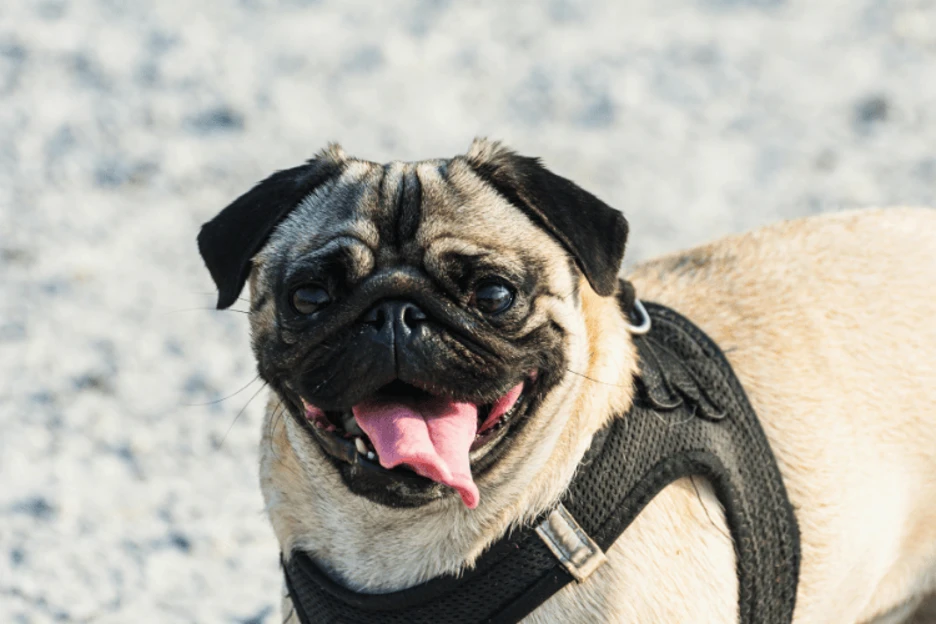
Image by Davide Negro on Canva
Flat-faced breeds share the same wrinkled facial features, but there are some notable differences in their overall build, head shape, and standout features. Let's see how these physical profiles present themselves in the Pug and French Bulldog.
Size and Build
French Bulldogs are stockier and more muscular. They generally weigh 16-28 pounds and stand 11-13 inches tall, with broad chests and athletic frames. On the contrary, you'd find that most Pugs are smaller and rounder. They typically weigh 14-18 pounds and are 10-13 inches, often with a barrel-shaped body prone to gaining more weight.
Head and Face
Pugs have round heads with deep wrinkles that extend high on their foreheads. They have bulging, round eyes and a short black muzzle. French Bulldogs often have fewer wrinkles, which is the first notable difference in these dogs. A Frenchie also has a square-shaped head, with wider-set, darker eyes that don't protrude as much as a Pug's.
Ears and Tail
Pugs have small, velvety, floppy, triangular ears and tightly curled tails. French Bulldogs are popular for their bat-like ears and a short, stumpy tail.
Coat Traits
Both have short, smooth, low-shedding coats that are easy to groom, but Pugs tend to shed more easily, which may be something to consider when making a decision. The breed also mainly comes in fawn (with black mask), black, silver, or apricot. French Bulldogs come in more varieties of colors, including brindle, fawn, pied, or cream.
Quick Comparison Table
| Feature | Pug | French Bulldog |
|---|---|---|
| Weight | 14-18 lbs | 16-28 lbs |
| Height | 10-13 inches | 11-13 inches |
| Ears | Floppy, velvety | Distinctive bat-like ears |
| Tail | Tightly curled | Short, stumpy |
| Head/Body | Round head, wrinkly face, compact/round body | Square head, athletic build |
| Coat Colors | Fawn, black, silver, apricot | Brindle, fawn, pied (short smooth coat) |
Pug and French Bulldog Personality and Temperament Differences
While you've most likely heard about the affectionate, sociable temperaments that these breeds share, there are some subtle differences that most pet parents still notice. This shows up in factors like their playfulness, stubbornness, and motivation.
The Pug Personality: The Playful Comedian
Pugs didn't earn this nickname for nothing. Over the years, these adorable pets have displayed a cheerful, clownish, and puppy-like playfulness that often catches people's attention. They're expressive, silly, and mostly so full of life.
This bubbly personality trait also makes them attention seekers. A pug would want to be wherever you are and be involved in everything. When you're cooking, they're likely trailing behind, soaking in every step like it's a cooking class. They're clingy and can be prone to separation anxiety.
The trade-off to this joyful personality type is their sensitivity. They can be sensitive to harsh tones and bark at you to alert you. While they're eager to please and often joyful, they can also be headstrong and require consistent and patient training.
The French Bulldog Personality: The Calm Companion
French Bulldogs are also lively and alert, but they inherit an independent streak from their Bulldog roots. Hence, they're not as clingy as the Pug but also carry the fun, charming personality that flat-faced breeds are popular for.
They're calmer, loyal, observant, and are quieter overall. Due to this hyper-independent trait, French Bulldogs are also more stubborn and might need a more stern training approach compared to the Pugs.
Which is Better for Your Lifestyle?
For families with children, both can do well, but Pugs tend to be more playful and tolerant of energetic kids. In terms of apartment living, both breeds also thrive well. However, Frenchies may bark less due to their calmer demeanor, and this may be something your neighbors would appreciate.
For first-time dog parents, one major thing to note is that, though both dogs can be slightly stubborn, Pugs are eager to please, which might make them easier to handle or train. At the end of the day, it all comes down to what your vibe is and what you want in your home. The playful and expressive? Or calm and steady? We'll leave that for you to answer, and you can read our guide on the French Bulldog Temperament and Personality to get more perspective.
Health Problems and Lifespan in Pugs vs French Bulldogs: What You Should Know
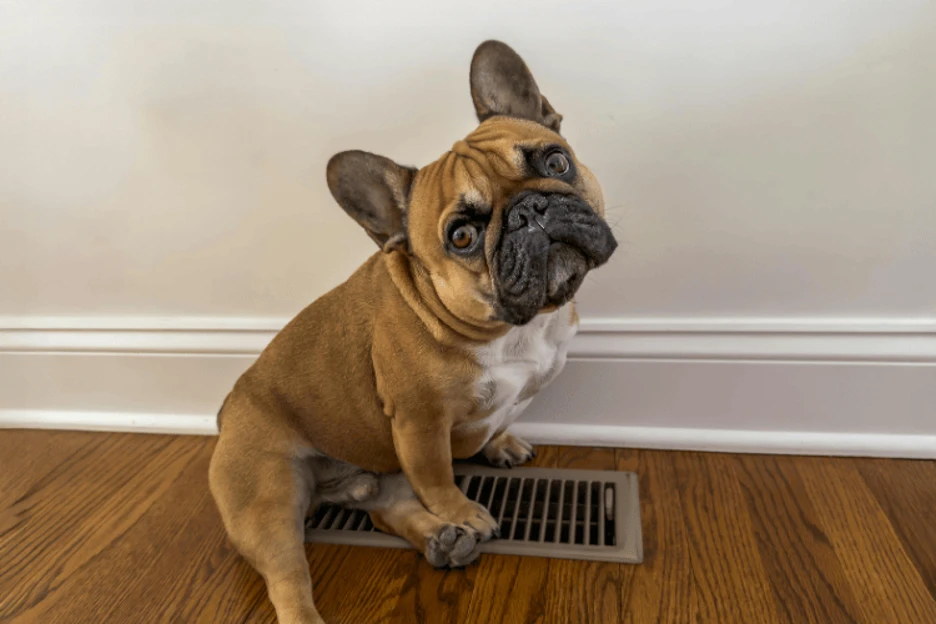
Image by David Kanigan on Canva
The brachycephalic structure of both dogs makes them prone to some health challenges, and it's really important to understand the risks before taking a step.
Lifespan Overview
Pugs live about 11-15 years, with a median of 11-13 years, but neurological and respiratory issues can shorten this lifespan. A French Bulldog's lifespan is an average of 10-12 years. This lifespan is generally impacted by breathing problems, allergies, and spinal problems.
Common Health Problems
Frenchies and Pugs are highly prone to health issues due to their flat-faced structure, and the challenges they face are quite similar. Here are the major ones:
- ●Brachycephalic Obstructive Airway Syndrome (BOAS): This is a health concern in brachycephalic dogs, characterized by severe breathing difficulties, such as snoring and low heat tolerance, due to the folded structure of their nose and face.
- ●Skin Fold Dermatitis: The multiple folds on their wrinkled face often trap moisture and bacteria, leading to infections.
- ●Eye Problems: Their bulging eyes make them prone to cherry eyes, ulcers, and chronic dryness, which are common with protruding eyes.
- ●Skin Allergies: They're also highly likely to have frequent skin irritation and ear infections.
- ●Obesity: Both breeds are prone to obesity, but Pugs are at a higher risk because they're less athletic than the Frenchies.
Care Tips for French Bulldogs and Pugs
Veterinary checks should be of high priority if you own any of these breeds. Early intervention helps with cases like BOAS or eye problems. You should also take additional steps at home to ensure they're healthy and happy. The first tip on our list is to maintain an ideal weight, avoid heat/excess exercise, and clean their wrinkles daily to avoid infection.
Lastly, responsible breeding plays a powerful role in lowering the risk of inherited health concerns like Pug Dog Encephalitis (PDE) in Pugs and Intervertebral Disc Disease (IVDD) in French Bulldogs. So where your puppy comes from truly matters. When breeders prioritize health screenings, careful pairing, and overall well-being, your puppy gets the strongest possible start in life.
For example, our French Bulldogs at HonestPet are thoughtfully sourced using ethical standards and carefully vetted by responsible breeders who share our commitment to every pet's care. That means the puppies in our collection are raised with intention and supported for healthier beginnings. This gives you greater peace of mind from day one.
Pug vs French Bulldog: Grooming Needs, Training, and Daily Care
Although both French Bulldogs and Pugs have short coats, you'd be surprised to know how much Pugs shed. Their coat looks low-maintenance, but they're surprisingly heavy shedders. When you also consider those adorable wrinkles, you begin to understand how important a grooming routine is for them compared to other dogs. Here are some non-negotiable care routines you'll need to prioritize with a Pug:
- ●Daily wrinkle cleaning to prevent yeast infections
- ●Brush their coats every 1-3 days with a grooming glove to control heavy shedding
- ●Baths every 3-4 weeks using hypoallergenic dog shampoo
- ●Daily eye wipes
- ●Weekly ear cleaning
- ●Nail trims every 6 weeks
- ●Paw/nose care as needed
If shedding bothers you, Frenchies may be slightly easier to manage. They shed less overall, but would also require routine checks like:
- ●Weekly brushing with a rubber brush or mitt to remove loose hair during seasonal shedding
- ●A monthly bath with a mild dog shampoo
- ●Regular cleaning of their facial folds to avoid infections
- ●Nail trims every 4-6 weeks
- ●Avoid clipping their short coat
Training Tips
Both French Bulldog breeds and Pugs tend to respond better to short and positive reinforcement sessions (5-10 minutes). They love treats, encouragement, and praise. So you'll have a better time training them if you follow such an approach. Start early and be consistent with commands like sit, stay, and come, along with other basic training. It also helps when you use a distraction-free zone and integrate socialization early.
In terms of differences, Pugs can be a bit more playful than Frenchies, so you might need more patience with them. Frenchies are sensitive, so using harsh methods might not yield the results you're hoping for. The main point is to take things slowly and stay consistent.
Daily Care Routine
| Aspect | Pug | French Bulldogs |
|---|---|---|
| Exercise | 20-30 min total: two short 10-15 min walks, indoor play; avoid heat | 45-60 min: two 20-30 min walks, light play; monitor breathing in heat |
| Feeding | ½-1 cup kibble/day (puppies 3-4 meals); portion control to prevent obesity | 1-1½ cups/day split into meals; high-quality kibble |
| Other | Brush teeth daily, check wrinkles/eyes, and protect them from hot weather | Skin fold/ear checks, socialization, and keeping them from excessive heat |
How to Choose the Right Breed for Your Lifestyle
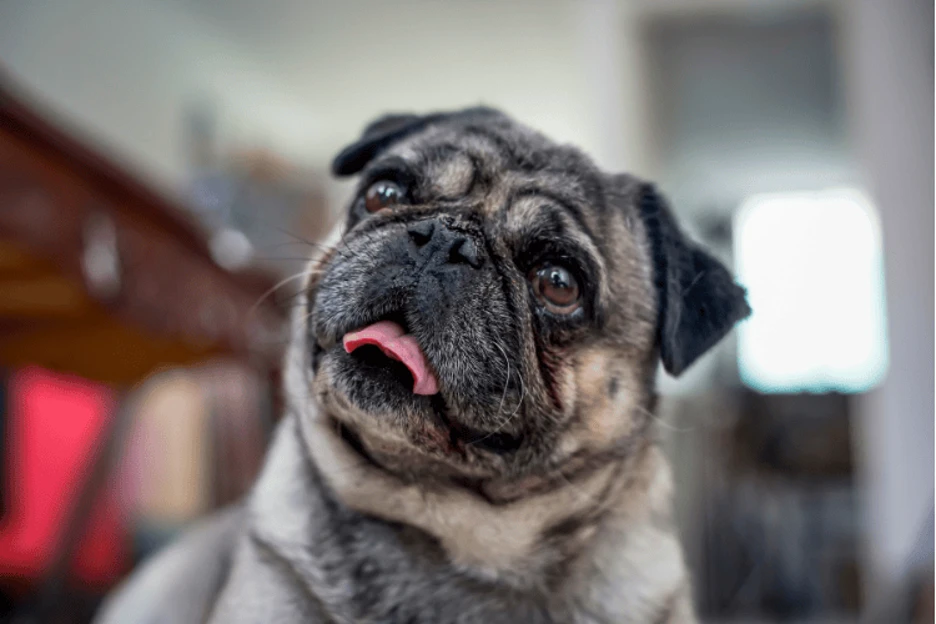
Image by Maria Garcia on Canva
You should already have an idea which of these adorable flat-faced breeds is your favorite, but if you're still unsure, let's simplify it.
Choose a Pug if:
- ●You love playful and expressive dogs
- ●You want a companion dog who follows you everywhere
- ●You don't mind the extra shedding
- ●You enjoy a silly, affectionate personality
Choose a French Bulldog if:
- ●You prefer a quieter companion
- ●You live in close proximity to others, where neighbors wouldn't appreciate extra barking
- ●You appreciate independence mixed with affection
FAQs
Which Dog is the Best Companion for a Frenchie?
French Bulldogs usually do best with other small, easy-going breeds like a Pug, Boston Terrier, or another Frenchie. They thrive with dogs that match their playful but low-energy temperament.
Which Dog is More Loyal Between a Frenchie and a Pug?
Both Pugs and French Bulldogs are incredibly loyal and bond closely with their owners. Frenchies tend to be more attached and protective of their owners, while Pugs are affectionate with just about everyone.
Are French Bulldogs Smarter Than Pugs?
French Bulldogs show clever problem-solving and observational learning, but can be stubborn and independent, therefore complicating training. Pugs, on the other hand, are playful, eager to please, food-motivated, and score well in some studies for obedience and adaptation, though they're easily distracted.
Which Breed is More Expensive?
French Bulldogs are more expensive than Pugs, especially given their popularity in the United States. French Bulldog puppies from reputable breeders cost $2,000–$6,500 on average in 2026, due to their high demand. Pug puppies range from $600–$2,500, making them more affordable initially due to lower popularity.
Do Both Breeds Snore?
Yes, both French Bulldogs and Pugs commonly snore. They're brachycephalic (short-nosed) breeds, so their shortened airways and soft-tissue crowding make noisy breathing, snoring, and snorting very likely.
Final Thoughts
In the end, choosing a pet should be about finding a companion who complements you and fits your everyday life. Both Frenchies and Pugs are adorable, loving breeds and would thrive in any responsible home. The right choice is the one that better aligns with your daily life and routine. You should already be able to tell which one suits you better. It's also important to consider how much time you have to groom, care for, and spend with them before choosing a furry friend.
Ready to Get Started?
Find your perfect puppy and start your journey today!