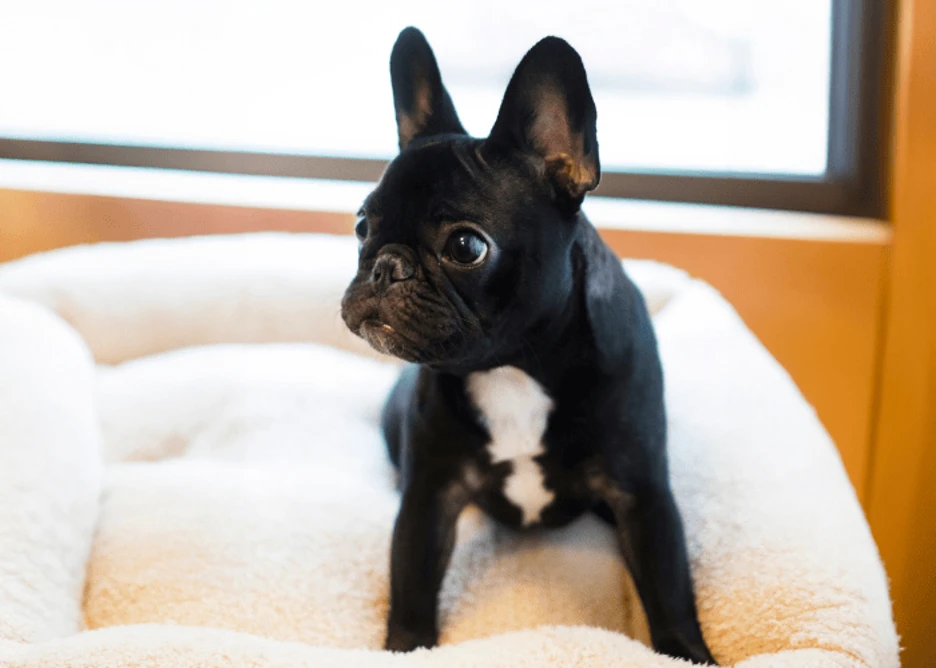

Imagine walking through a park with a companion that costs more than a luxury sedan. For some, a dog is both a pet and a rare masterpiece of lineage and beauty. The world of high-end canine ownership is filled with breathtaking animals and equally breathtaking price tags.
If you're wondering about the most expensive dog breeds and why they cost so much, the hidden expenses of their proper care, and how to choose your future best friend responsibly, read on. This article aims to educate prospective dog owners and enthusiasts about the financial realities of elite purebred dogs. Understanding these costs help ensure that these beautiful dogs receive the lifelong commitment they deserve.
Why Some Dog Breeds Are Expensive
When you see an expensive dog, you aren’t just paying for a pet; you are paying for history, genetics, and intensive labor.
Here are some reasons some breeds are much more expensive to own:
Main Price Drivers For Dog Breeds
- ●Rarity and Limited Availability: The rarest breeds, such as the Löwchen (the little lion dog), have small populations, which naturally spikes the average price.
- ●Breeding Complexity: Many popular dog breeds, specifically the English Bulldog and French Bulldog, often require artificial insemination and C-sections for reproduction and birthing, thus significantly increasing veterinary overhead.
- ●Bloodlines and Pedigree: Puppies descended from show champions or rare bloodlines are more valuable.
- ●Health Screenings: Breeders invest heavily in genetic tests to ensure puppies are free of hereditary diseases.
- ●Geography: Puppies bred on the coasts or imported from other countries such as the Dogo Argentino from South America or the Azawakh from West Africa incur massive transport fees.
Quick Top List of Most Expensive Dog Breeds in The World
The most expensive dog isn’t always the biggest. Prices fluctuate based on high demand and limited availability. Many of the most expensive breeds are also among the most popular, which drives up both demand and prices. Here are the top 10 expensive dog breeds and their price ranges:
- ●Tibetan Mastiff: $3,000 – $10,000+ (Extreme outlier: “Big Splash” sold for $1.5 million)
- ●Samoyed: $1,200 – $15,000. The Samoyed is known for its high maintenance costs in addition to its high purchase price.
- ●Löwchen: $2,500 – $12,000
- ●Canadian Eskimo Dog: $3,000 – $8,750
- ●French Bulldog (Rare Colors): $7,000 – $50,000+. The French Bulldog is one of the most popular dog breeds, with prices ranging from $3,000 to $12,000 for regular colors.
- ●Afghan Hound: $2,500 – $7,000
- ●Pharaoh Hound: $2,000 – $7,500
- ●Black Russian Terrier: $3,000 – $5,000
- ●English Bulldog: $2,500 – $9,500
- ●Bernese Mountain Dog: $2,500 – $3,500
Purebred dogs can incur five times more costs than mixed breeds due to their specific care needs and health issues.
Cost Breakdown: Initial Price and Lifetime Cost
A hefty price tag at checkout is only the beginning. Purebred dogs can incur five times more costs than mixed breeds due to specific health issues. After the cost table, it's important to note that breeders invest heavily in the health and care of both parents and puppies, covering vaccinations, medications, and specialized diets, which contribute to the high initial purchase price.
| Expense Category | Initial Purchase | Annual Ongoing (Est.) | 5-Year Total |
|---|---|---|---|
| Purchase Price | $3,000 | $0 | $3,000 |
| Vet Bills / Insurance | $500 | $1,200 | $6,500 |
| Regular Grooming | $100 | $1,200 | $6,100 |
| Premium Food | $150 | $1,000 | $5,150 |
| Total Estimated | $3,750 | $3,400 | $20,750 |
The average annual cost of owning a dog in the United States is approximately $1,675, but for the most expensive dog breeds, this number triples. Ongoing expenses are often driven by breed-specific health conditions, such as hip dysplasia and gastric torsion (bloat). These may result in sudden vet bills totaling thousands of dollars.
How To Choose a Dog Breed Responsibly
Before falling in love with a rare color or a distinctive feature, research if the breed matches your lifestyle. Compare temperament, size expectations,and grooming needs across different breeds to make informed decisions.
When considering buying one of the most expensive dog breeds, it's important to note that other dogs may not have the same health issues or costs, so breed-specific research is essential.
Guard dogs like the Tibetan Mastiff require space and consistent training, while a Cavalier King Charles Spaniel craves constant affection and indoor time. Large working-dog breeds like the Great Dane or Rottweiler (predisposed to gastric torsion and hip dysplasia) have higher food and medication costs.
Always verify breeders through the American Kennel Club (AKC). Responsible breeders provide genetic tests for hip dysplasia, eye exams, elbow dysplasia, and cardiac disorders. If the price is too high, consider animal shelters or breed-specific rescues; many purebred dogs need a second chance. If you decide to purchase ethically-raised pups from verified breeders, you can also browse available puppies for sale online.
Breed Profiles: Individual Most Expensive Dog Breeds
Afghan Hound
The Afghan Hound is a majestic ancient breed with a flowing coat that requires hours of regular grooming.
- ●Price Range: $2,500 – $7,000
- ●Care Needs: Their silky coats demand professional attention to prevent matting.
- ●Health: They are predisposed to cataracts and hypothyroidism.
Bernese Mountain Dog
The Bernese Mountain Dog is a gentle giant, but its shortened lifespan significantly impacts cost as medical needs arise early.
- ●Price Range: $2,500 – $3,500
- ●Health: Prone to cataracts, cancer, elbow dysplasia, and gastric torsion. Request clear orthopedic scores.
Canadian Eskimo Dog
The Canadian Eskimo Dog is among the rarest breeds and is currently facing a conservation crisis.
- ●Price Range: $3,000 – $8,750
- ●Care: This dog needs cold climates and a high-protein diet. They are prone to heat intolerance and arthritis.
Cavalier King Charles Spaniel
This breed is beloved for its affectionate nature, but it is among the most expensive to insure.
- ●Price Range: $2,500 – $3,500
- ●Health: Screening for cardiac disorders is a mandatory requirement for any reputable buyer. Some buyers also explore Cavalier mixes, such as a Cavapoo, for different health and coat traits. Read this guide on Cavapoos to learn more about this adorable breed.
English Bulldog
The English Bulldog is a popular breed that remains expensive due to small litters and delivery complications.
- ●Price Range: $2,000 – $4,000 (standard) to $9,500
- ●Health: They are prone to heat stroke, cherry eye, brachycephalic syndrome, and itchy skin.
Black Russian Terrier
Originally bred as guard dogs, the Black Russian Terrier is highly intelligent and powerful.
- ●Price Range: $3,000 – $5,000
- ●Training: They require consistent training and a firm owner, as they are strong-willed.
Dogo Argentino
With a muscular body and white coat, this breed from South America is impressive but regulated in some areas.
- ●Price Range: $1,200 – $8,000
- ●Health: Check for deafness and hip dysplasia certificates.
Samoyed
The Samoyed costs between $1,200 and $15,000 (extreme cases). Their grooming needs are legendary.
- ●Care: High shedding costs (if you choose professional de-shedding every week) and the need for frequent professional bathing.
- ●Risk: Known for a high escape risk; they require secure fencing.
Tibetan Mastiff
The Tibetan Mastiff is an ancient breed that guarded Himalayan monasteries.
- ●Price Range: $3,000 – $10,000
- ●Grooming Maintenance: The thick double coat requires professional grooming, which can cost $150–$250 per session due to the sheer size and volume of hair.
Löwchen (Little Lion Dog)
The Löwchen has been one of the rarest breeds in the world since the 1970s.
- ●Price Range: $2,500 – $12,000
- ●Preservation: Owning one often means participating in breed preservation efforts.
French Bulldog Focus: Blue Frenchie And Coat Colors
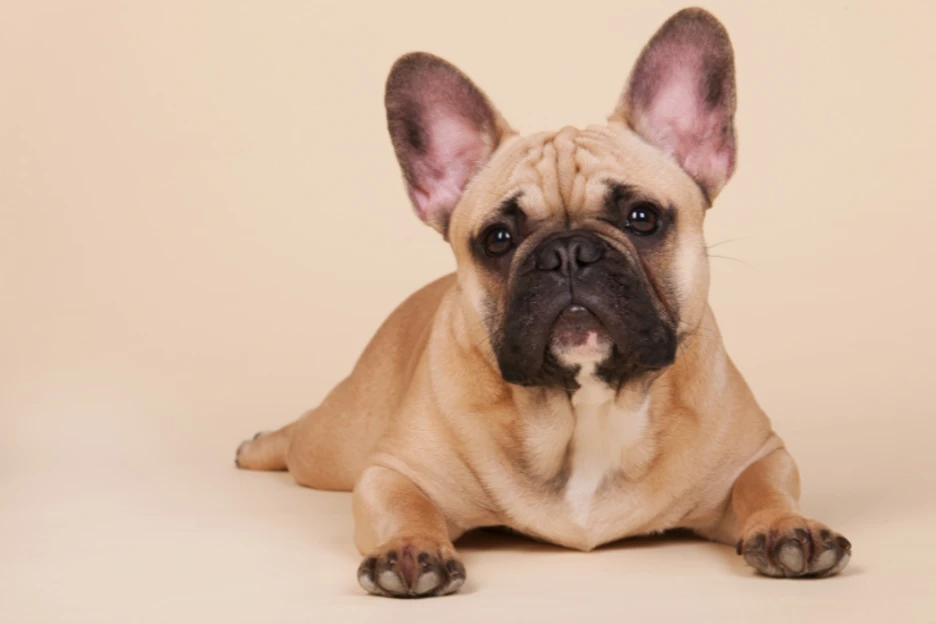
The French Bulldog has seen a massive surge in popularity over the last decade. While the average price for a standard Frenchie is high, rare color variations have created a luxury market. An expensive French Bulldog, especially one with unique colors or a fluffy coat, can command a premium price due to its rarity and distinctive genetic traits. French Bulldogs are among the most expensive dog breeds, with prices ranging from $3,000 to $12,000, depending on factors such as color and rarity.
Blue Frenchie and Coat Colors
The blue Frenchie is highly coveted for its slate-gray hue. However, breeding French Bulldogs for specific colors often involves a recessive gene that can lead to health problems, such as color dilution alopecia (hair thinning). Chocolate Frenchies are another rare, uniquely colored breed, known for their rich brown coats. Their genetic rarity and distinct appearance make them highly sought after, and genetic testing is often necessary to confirm that a dog is a true chocolate Frenchie.
- ●Lilac French Bulldog: Created by combining the chocolate gene with the blue gene, these can sell for $6,500 to $50,000.
- ●Chocolate Frenchie: A chocolate French Bulldog can cost upwards of $6,500 due to the recessive gene required, and their authenticity is often verified through genetic testing.
- ●Merle French Bulldogs: These are rare and can cost over $12,000, but they are prone to more health issues than standard colors.
- ●Isabella Frenchie: A very rare “pale liver” color that can cost over $8,000, with the most expensive ever sold for $15,000.
- ●Platinum French Bulldog: Unique and highly prized, Platinum Frenchies start at $8,000, with rare fluffy variants selling for over $25,000.
- ●Fluffy French Bulldog: The most expensive type; prices range from $15,000 to $35,000, and some rare colors can exceed $65,000.
Grooming Requirements for Expensive Dog Breeds
Grooming is far more than a cosmetic concern; it’s a cornerstone of proper care and long-term health. Many of the world’s most sought-after dog breeds have unique grooming needs that demand both time and expertise.
Long-Haired & High-Maintenance Coats
- ●Afghan Hound: Known for legendary flowing coats that require daily brushing. Grooming is a non-negotiable part of ownership to prevent tangles and matting.
- ●Tibetan Mastiff: Features a dense double coat that needs frequent attention. This keeps shedding under control and avoids painful mats, especially during seasonal changes.
- ●Bernese Mountain Dog: Possesses a thick, luxurious coat that needs daily brushing to prevent tangling.
- ●Black Russian Terrier: Has wiry fur that should be brushed weekly to maintain its texture and prevent mats.
Short-Haired Breeds with Specialized Needs
- ●French Bulldog & English Bulldog: Despite short coats, they require diligent cleaning of facial folds and wrinkles. It is essential to prevent skin infections and itchy skin.
- ●Dogo Argentino & Pharaoh Hound: Benefit from regular baths and brushing to keep their skin healthy and their muscular bodies in top condition.
Special Color Variations (French Bulldogs)
- ●Lilac French Bulldog: Because of their pale coat, they are sensitive to sunlight and may need regular sunscreen application.
- ●Merle French Bulldogs: Benefit from gentle, regular brushing to keep their unique coat colors vibrant and healthy.
Working & Rare Breeds
- ●Canadian Eskimo Dog: Highlighted as a sought-after breed with unique grooming needs that demand significant time and expertise to maintain health.
The Health Benefits of Routine Grooming
Beyond aesthetics, consistent grooming serves as a vital health check:
- ●Early Detection: Regular sessions provide an opportunity to check for skin problems, parasites, or other health issues that can be addressed early with proper care.
- ●Coat Integrity: Specific textures (like the wiry fur of the Black Russian Terrier) require targeted care to maintain their protective properties.
How to Vet a Breeder When Buying an Expensive Dog Breed
- ●Demand Documentation: Ask for pedigrees and health-clearance documents for both parents.
- ●Inspect the Facility: Visit the breeder to see the living conditions.
- ●Check References: Talk to other dog owners who bought from the same litter.
- ●Ask About Health Guarantees: Reputable breeders offer a contract that covers congenital health issues.
Frequently Asked Questions
Is a More Expensive Dog Always Healthier?
No. While a higher price often covers genetic tests, it also reflects high demand or rare color. A lilac French Bulldog may be more expensive than a standard one, but could have more itchy skin or health issues due to the recessive gene.
Why Are Chow Chows So Expensive to Maintain?
Chow Chows are prone to health problems, such as eyelid entropion, hip dysplasia, and thyroid issues. Their thick coats also mean regular grooming is a non-negotiable expense to prevent hot spots and matting.
Does Pet Insurance Cost More for Expensive Dog Breeds?
Yes. Insurance companies base premiums on breed risk. A Cavalier King Charles Spaniel or English Bulldog will have higher premiums due to the likelihood of cardiac disorders or brachycephalic syndrome.
Are There Extra Costs for a "Lion Dog" (Löwchen)?
The Löwchen requires a specific "lion cut" grooming style. Because they are one of the rarest breeds, finding a groomer who knows the style adds to the cost.
Can I Find Expensive Breeds in Animal Shelters?
It is possible but rare. Breed-specific rescues are your best bet. You might find an Afghan Hound or Bernese Mountain Dog that was surrendered because the previous owner couldn't afford the vet bills or grooming needs.
Why Is the Pharaoh Hound's Price So High?
The Pharaoh Hound is a rare breed sensitive to stress. Their high price reflects their limited availability and the specialized care required to keep them healthy and well-adjusted.
Conclusion
Choosing to bring home one of the most expensive dog breeds is a decision that impacts your heart and your wallet. While the allure of a rare trait or a beautiful dog is strong, the proper care of purebred dogs requires a significant financial buffer for vet bills, regular grooming, and specialized nutrition. Whether it’s the strong-willed nature of a Tibetan Mastiff or the affectionate nature of a Frenchie, ensure you are prepared for the lifetime journey.
Ready to Get Started?
Find your perfect puppy and start your journey today!