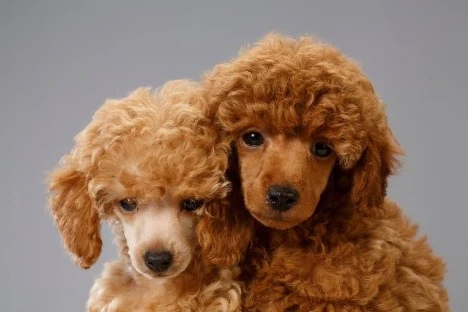

Choosing a Miniature Poodle is exciting. But once you start looking at coat colors, it can quickly feel unclear and confusing. A black Miniature Poodle has a consistent coat, while a blue one is born black and then fades into a softer gray tone as it grows.
The American Kennel Club (AKC) recognizes some colors as the breed standard, while others appear as patterns or rare shades. Some coats also change as the puppy grows. Without clear guidance, you’ll find it difficult to predict the final color of a Miniature Poodle puppy.
This guide provides a full breakdown of Miniature Poodle colors, a clear explanation of black vs blue, and straightforward insight into how coats change over time. This can help you choose your puppy's color with confidence.
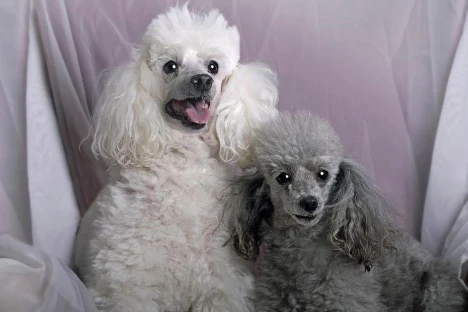
Image by Eponaleah from Getty Images via Canva
Miniature Poodle Colors: Complete Overview
Miniature Poodles come in a wide range of beautiful coat colors than most small dog breeds. Some coats stay rich and consistent, while others naturally lighten over time. This natural change happens as your puppy grows and develops its adult coat.
Breed Standard Miniature Poodle Colors
The official breed standard focuses on solid colors. According to the American Kennel Club (AKC), the most common shades include:
- ●Black, Blue, and Silver: These colors are closely related. Silver and blue Poodles are both born black. As they grow, their coats gradually lighten. Silver Poodles transition into a very light gray, often by around two years of age, while blue Poodles lighten more slowly, settling into a deeper charcoal tone.
- ●Brown, Café-au-lait, and Silver Beige: A true brown Miniature Poodle has a rich coat. As the dog ages, this color can shift. Café-au-lait appears as a soft, warm tan, while silver beige develops into a cooler, diluted brown-gray tone.
- ●Red, Apricot, and Cream: These warmer shades often soften with age. A deep red puppy can gradually transition into a darker apricot as the coat matures. This natural change is part of the breed’s characteristics and doesn't affect your pup's health or personality.
According to the AKC Miniature Poodle breed standard, the coat should be a single, solid color extending all the way to the skin, not patchy or mixed. Slightly darker areas on the ears or chest are normal and don’t affect color quality.
Coat Color and Matching Features
A Miniature Poodle’s coat color should have some matching features. The nose, lips, eye lids, and nails should match the coat color to meet the breed standard.
- ●Black, silver, blue, white, cream, and apricot Poodles have black noses, lips, eye lids, and nails.
- ●Brown, café-au-lait, and silver beige Poodles have brown (liver-colored) noses, lips, eye lids, and nails, with amber eyes.
These matching features are part of the Miniature Poodle breed standard.
Rare and Multi-Colored Patterns
While solid colors follow traditional show standards, many owners love purebred multicolored Poodles for their unique look.
- ●Parti Poodles have a white base coat with large patches of another color
- ●Silver phantom Poodles feature distinct tan markings on the face, chest, and legs
- ●Sable Poodles have lighter hair at the root with darker tips, which can change when you clip the coat
- ●Abstract (mismark) Poodles have small white markings, often on the chest or paws
These patterns add variety and personality if you're looking for something a little different.
Why Poodle Colors Change (Clearing vs. Holding)
Color changes in Miniature Poodles come from the following natural genetic processes.
- ●Clearing: This is when a darker puppy coat gradually lightens into its adult color. For example, a black puppy can clear into silver or blue. This process is usually visible within the first two or three years.
- ●Holding: Black Miniature Poodles keep their original color as they grow. They hold their deep pigment into adulthood.
- ●Coat Texture Changes: A puppy’s coat is soft and fine. As the adult coat grows, usually between 9 and 18 months, it becomes denser and more curly. This can make the color look richer or slightly darker after grooming or a fresh shave.
Important Tip: If you want to predict the final color of your puppy, look at the hair near the skin or between the toes. This often shows the color your pup will grow into.
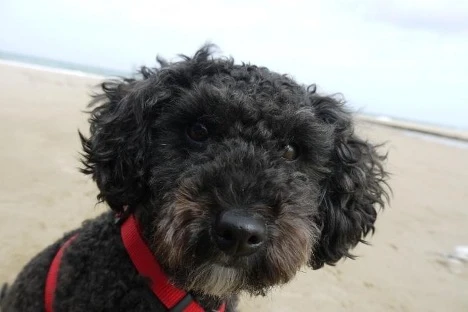
Image by zorotoo's Images via Canva
Black Miniature Poodle: Classic, Deep, and Timeless
A black Miniature Poodle has one of the most striking looks of the breed. The coat looks rich and bold, especially when freshly groomed with defined curls.
What Defines a True Black Miniature Poodle?
A true black Miniature Poodle has an even coat with no fading or gray tones. The hair color should be consistent from root to tip. These dogs have very dark eyes, black noses, and matching eye lids and lips, which create a neat appearance.
When the coat is healthy, it reflects light with a natural shine that highlights the curls. In puppies, black often looks especially dense. That's why you can easily mistake some blue Poodles for black.
To confirm a true black coat, look at the hair close to the skin. If the color stays solid black all the way through, it meets the standard. If the roots appear gray or charcoal, the dog is likely a blue Poodle that's still fading.
Does a Black Miniature Poodle Stay Black?
Most black Miniature Poodles keep their deep color as they grow. Others develop slight softening over time due to sun exposure, grooming, or natural coat changes. A small shift in tone doesn't mean the dog is blue. Blue Poodles show a clear and steady fading pattern as the adult coat develops, while black Poodles remain dark overall.
You can easily differentiate between fading and environmental damage. Sun exposure turns the tips of black curls to a rusty brown. This doesn't affect the real coat color and disappears after grooming.
Personality Myths vs Reality
Coat color doesn't influence personality. A Miniature Poodle’s behavior, including how they train, bond, or bark, comes from genetics, early socialization, and ongoing care. With the right support, Poodles grow into alert, loyal companions who thrive in family life. Their intelligence also makes them strong in agility-related activities, regardless of coat color.
Grooming a Black Coat
A black coat looks clean and polished in almost any style, from a classic clip to a more modern tuxedo trim. Regular grooming keeps the curls defined and prevents matting close to the skin.
Dust, dandruff, and loose hair are more clear on darker coats. These dogs need consistent brushing and bathing to maintain a healthy and neat appearance. Like all Poodles, they have a low-shedding, hypoallergenic coat that needs routine care.
Black coats also absorb more heat than lighter colors. During warmer months, limit direct sun exposure and keep your dog comfortable, happy, and active throughout the day.
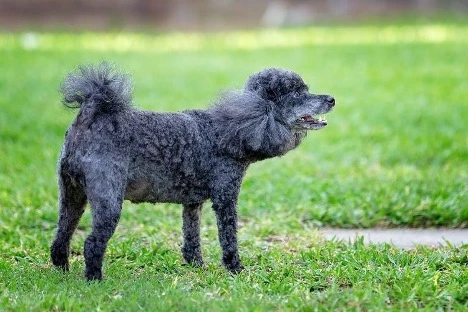
Image by Michele Jackson from Getty Images via Canva
Blue Miniature Poodle: What Makes It Unique?
The blue Miniature Poodle is one of the most misunderstood colors in the breed. As a puppy, the coat looks black, then it gradually shifts into a cooler gray as they grow. This transition stage is often confusing.
What Is a Blue Miniature Poodle?
Blue Miniature Poodles are born black and slowly fade into a deep bluish-gray as the adult coat develops. This results in a dark, smoky gray with a soft steel tone. Think of blue as a charcoal or gunmetal shade. The final color stays darker than silver but doesn't lighten to a pale gray. This gives blue Poodles a consistent, elegant appearance.
Blue vs Black Miniature Poodle: Key Differences
The main difference is how the coat changes over time. A black Miniature Poodle keeps a solid, consistent color. On the other hand, a blue Poodle starts out as a black puppy and gradually fades as new hair grows.
This shift is more noticeable in the first year. Both colors share the same dark pigment, including black noses, lips, tail, and eye lids. The difference appears in the coat itself as they grow into adult dogs.
Blue Poodles have the progressive greying gene that gradually lightens their black coat. Black Poodles don’t have this gene, so their color stays the same.
How to Identify a Blue Poodle Early
Early signs often appear around the muzzle, where the coat begins to lighten before the rest of the body. You may also notice a softer, gray tone at the roots when you clip their coat.
Another reliable area is between the toes. If the hair at the base looks ash-gray while the rest of the coat appears black, your dog will eventually develop a blue or silver coat.
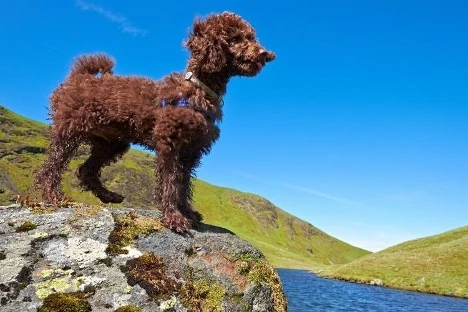
Image by Duncan Andison from Getty Images via Canva
How to Choose the Right Miniature Poodle Color
Choosing a color should be exciting. The right choice comes down to coat changes, grooming needs, and the look you genuinely love.
Lifestyle Considerations
Start with your daily routine. Lighter coats can show dirt more quickly, while darker coats can highlight dust or dandruff. Even with a hypoallergenic coat, Miniature Poodles require regular brushing, clipping, ear care, and bathing to stay healthy.
Climate also matters. Darker coats like black, blue, and brown absorb more heat, so they need more shade and hydration during outdoor time. Lighter coats, such as white and cream, need extra protection in sensitive areas, such as the nose and ears, when exposed to strong sunlight.
Family Preferences
Every family has a different vision. Some love the bright and clean look of a white coat. Others prefer the depth of black, brown, or blue. Picture your dog at home, on the sofa, and as part of a daily routine. This often makes the decision clearer.
Long-Term Coat Expectations
Some colors change as your puppy grows. Blue, silver, and sable coats often shift over time, so the adult coat may look different from early photo examples. This is a normal part of the breed.
Ask your breeder to show the hair close to the skin or early signs of fading after a light trim. This gives a more accurate view of the final color than the soft puppy coat.
If you want to compare options, browse our Miniature and Toy Poodle puppies for sale, and ask direct questions about expected coat changes. This will help you feel more confident as you choose your favorite Poodle color.
Ethical Sourcing Matters More than Color
A beautiful coat should never come before health and care. Look for ethical breeders who raise the puppy responsibly with a focus on animal welfare. Watch out for breeders charging premium prices for rare patterns like parti or phantom with brindle stripes. While these markings are unique, they don't reflect higher quality. The price is based on health testing, care, and long-term well-being.
At Honest Pet, we offer support, transparency, and guidance to help you and your puppy stay happy, healthy, and ready to grow together. We work with responsible breeders who adhere to our strict ethical standards and breeder guidelines. This ensures the puppy is vet-checked and vaccinated to the highest standards of health, safety, and integrity.
Miniature Poodle vs Other Breeds
Miniature Poodles offer more predictable coat outcomes than many other breeds. While their colors can still change with age, the process follows clear patterns based on genetics and pedigree.
Poodles vs Doodles (Coat Variation)
With Doodles and other Poodle mixes, coat results are less consistent. Texture, curl pattern, and color vary widely because multiple breeds influence the outcome. Mixed breeds can also develop unexpected markings as they grow. These include small spots, uneven patches, or subtle changes in color distribution.
In contrast, purebred Poodles are carefully bred to maintain consistent coat color, so their coat development follows a more predictable path.
Understanding Poodle Color Diversity
Purebred Poodles have a long history of tracked pedigrees and established color lines. This helps breeders understand how a puppy’s coat will develop over time.
Poodles also carry a wide range of genes that influence color. These create subtle variations between shades, such as cream and apricot or blue and silver. In many other breeds, color often appears in more fixed forms, without the same level of variation.
Predictability of Coat Outcomes
Coat outcomes in purebred Miniature Poodles are predictable because breeders use genetic knowledge and, in many cases, DNA testing. This helps them understand how the puppy’s color will change.
That said, not all puppies will look exactly the same. There can still be small variations. However, when you work with responsible breeders and review pedigree details, you get a clearer picture of what to expect.
Support matters just as much as predictability. If you're a first-time pet parent, our quick-start guide can help you explore your options with confidence and get your puppy’s life off to the right start. Also, read our guides on Miniature Poodle personality and Miniature Poodle size before bringing home the puppy you'll love for many years to come.
Frequently Asked Questions
What’s the Difference Between a Black and Blue Miniature Poodle?
A black Miniature Poodle has a solid coat that stays dark over time. A blue Miniature Poodle is born black but gradually fades into a smoky gray shade as it matures. This change becomes more noticeable after two to three years, especially around the face and other regularly groomed areas.
Do Miniature Poodles Change Color as They Age?
Some Miniature Poodles change color as they grow. This is common in blue, silver, and sable coats. These puppies are often born darker and lighten as their adult coat comes in. Other colors, like black or brown, tend to stay more consistent.
What’s the Rarest Miniature Poodle Color?
Rarity depends on the breeder and bloodline, but some colors and patterns are less common. Phantom Poodles with defined tan points, parti Poodles with bold markings, and certain silver beige shades are often harder to find than more traditional colors like black, white, or apricot.
Does Coat Color Affect Personality?
No, coat color doesn't affect how a Miniature Poodle behaves. Personality comes from genetics, training, and environment. With proper care, early obedience training, and exposure to new things, Miniature Poodles grow into alert, loyal companions that thrive in family life.
Which Color Is the Easiest to Maintain?
Every Miniature Poodle has a high-maintenance coat, regardless of color. Lighter coats like cream or white show dirt more quickly, while darker coats can make dust or dandruff more visible. Regular grooming matters far more than coat color for your dog's happiness and comfort.
Are Certain Colors More Expensive?
Yes, some colors cost more due to demand or availability. Rare patterns or less common shades can come at a higher price. However, consider health, ethical breeding, and long-term support first when choosing your puppy.
Conclusion
The most suitable Miniature Poodle color is the one that fits your lifestyle and preference. A black Miniature Poodle offers a consistent coat that holds its depth over time. Blue Miniature Poodles start out black and gradually fade into a smoky gray shade as they grow. White and cream coats highlight a clean look but show dirt and tear staining more easily.
The best choice is the one that fits your eye, routine, and comfort with grooming and coat change. Just keep the bigger picture in view. Personality, health, breeder care, and long-term support matter far more than chasing the perfect shade.
References
- ●American Kennel Club. (n.d.). Poodle breed standard.
- ●American Kennel Club. (n.d.-a). Miniature Poodle dog breed information.
- ●American Kennel Club. (n.d.-b). Is the Poodle right for you?
Ready to Get Started?
Find your perfect puppy and start your journey today!